
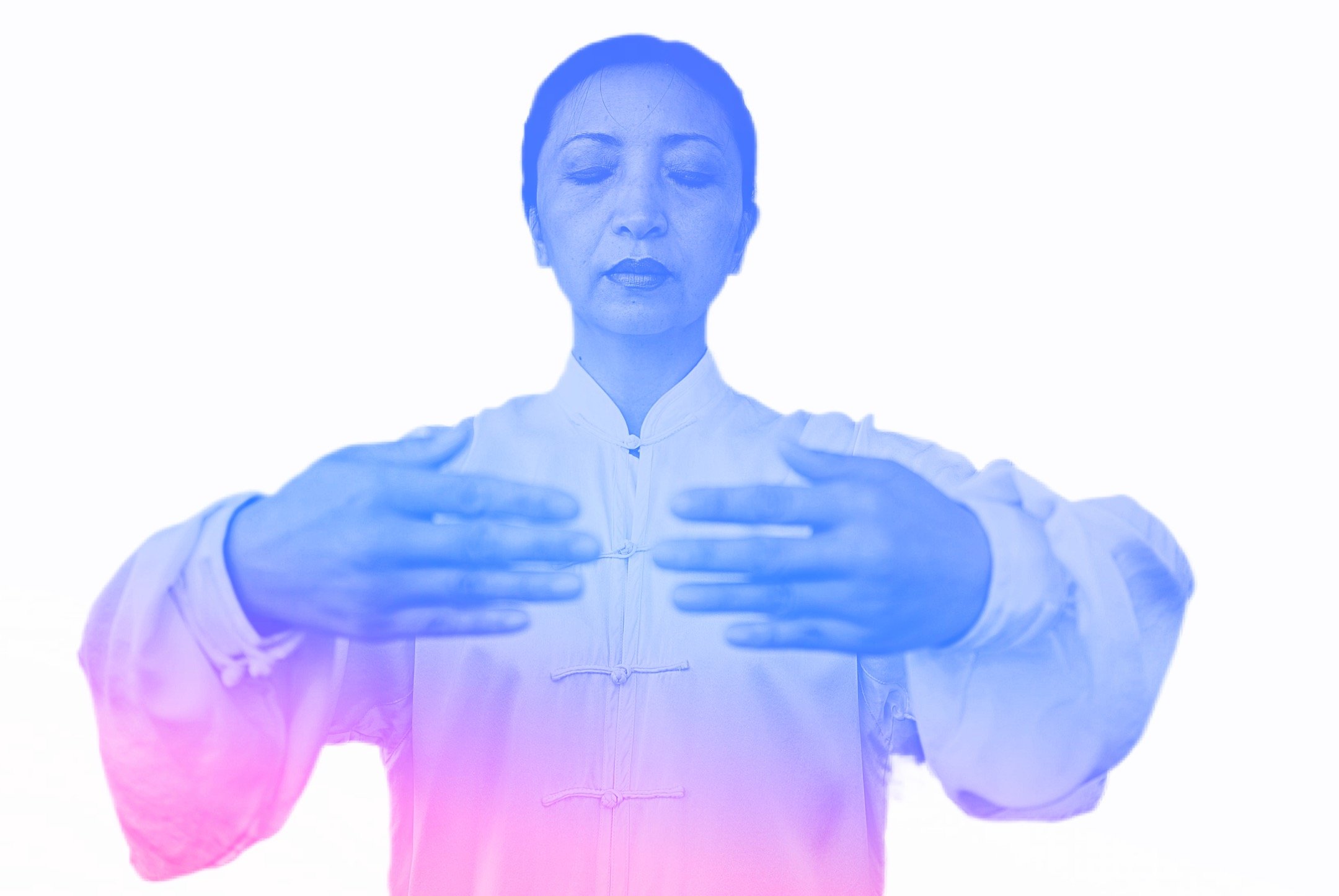
Asthma is a chronic respiratory disease that affects millions of people worldwide, characterized by inflammation of the airways leading to symptoms such as wheezing, coughing, and shortness of breath. While conventional medical treatments such as inhaled corticosteroids and bronchodilators are effective in managing asthma symptoms, complementary therapies like taichi may also offer potential benefits.
Tai Chi and Qigong show measurable benefits for people with asthma—particularly in breathing efficiency, symptom control, and quality of life—based on broader respiratory research and mind–body exercise evidence.
What the research shows about Tai Chi/Qigong for asthma
While few studies focus exclusively on asthma, several high‑quality reviews examine Tai Chi and Qigong for chronic respiratory diseases, lung function, and symptom reduction, which directly relate to asthma management.
1. Mind–body exercises improve respiratory function
A major overview of systematic reviews found that Tai Chi and Qigong have complementary benefits for chronic respiratory diseases, including COPD, which shares symptom patterns with asthma such as airflow limitation and breathlessness. The review identified Tai Chi/Qigong as beneficial for respiratory efficiency, exercise tolerance, and overall symptom burden. https://pubmed.ncbi.nlm.nih.gov/31221939/
Why this matters for asthma:
Although COPD and asthma differ, improvements in diaphragmatic control, slow breathing, and thoracic mobility translate well to asthma symptom management.
2. Breathing regulation and autonomic balance
Tai Chi and Qigong emphasize slow, coordinated breathing, which has been shown to influence the autonomic nervous system. Evidence from mind–body exercise reviews shows improvements in anxiety, stress, and breath control, all of which can trigger or worsen asthma symptoms.
https://link.springer.com/article/10.1186/s12906-020-02967-8
Relevance to asthma:
Stress‑induced bronchoconstriction is common. Practices that reduce sympathetic arousal can help prevent or reduce symptom flare‑ups.
3. Improved exercise tolerance and reduced dyspnea
Dyspnea, or shortness of breath, is the uncomfortable sensation of not getting enough air ("air hunger"), often feeling like chest tightness or rapid breathing. Systematic reviews of mind–body exercises for chronic respiratory conditions report results such as:
Better 6‑minute walk test performance
Reduced shortness of breath
Improved functional capacity
https://doi.org/10.6084/m9.figshare.23731469
Relevance to asthma:
Asthma often limits physical activity. Tai Chi/Qigong provide a low‑impact, accessible way to build endurance without provoking symptoms.
Summary for students
The practice of taichi and qigong can help to reduce stress, promote relaxation, and improve breathing, which could help to manage asthma symptoms. They may also improve lung function by enhancing respiratory muscle strength and endurance.
If you are looking for a taichi program to support asthma and lung function, try a Wulong class today. Click here to see all our class locations and timings.