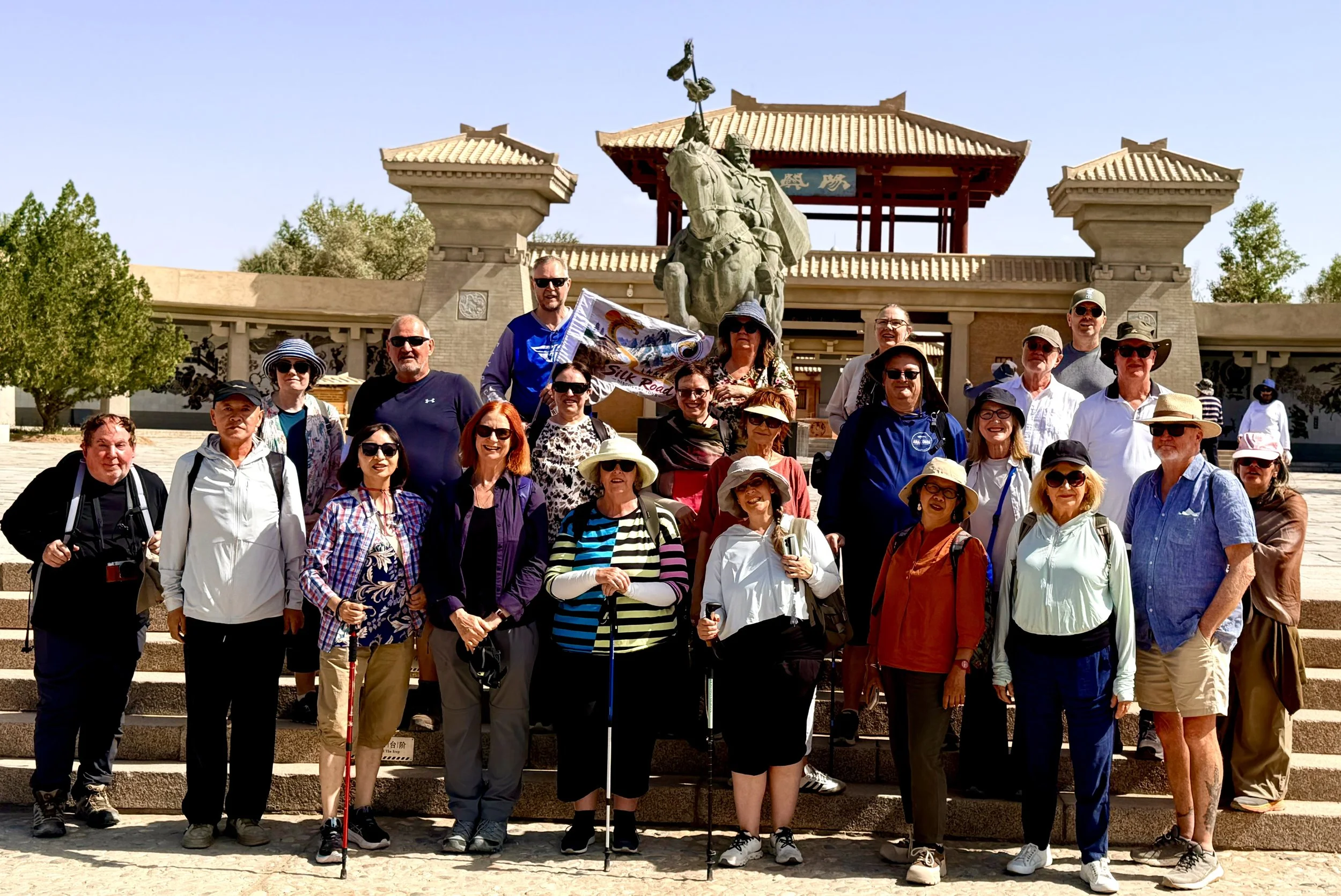
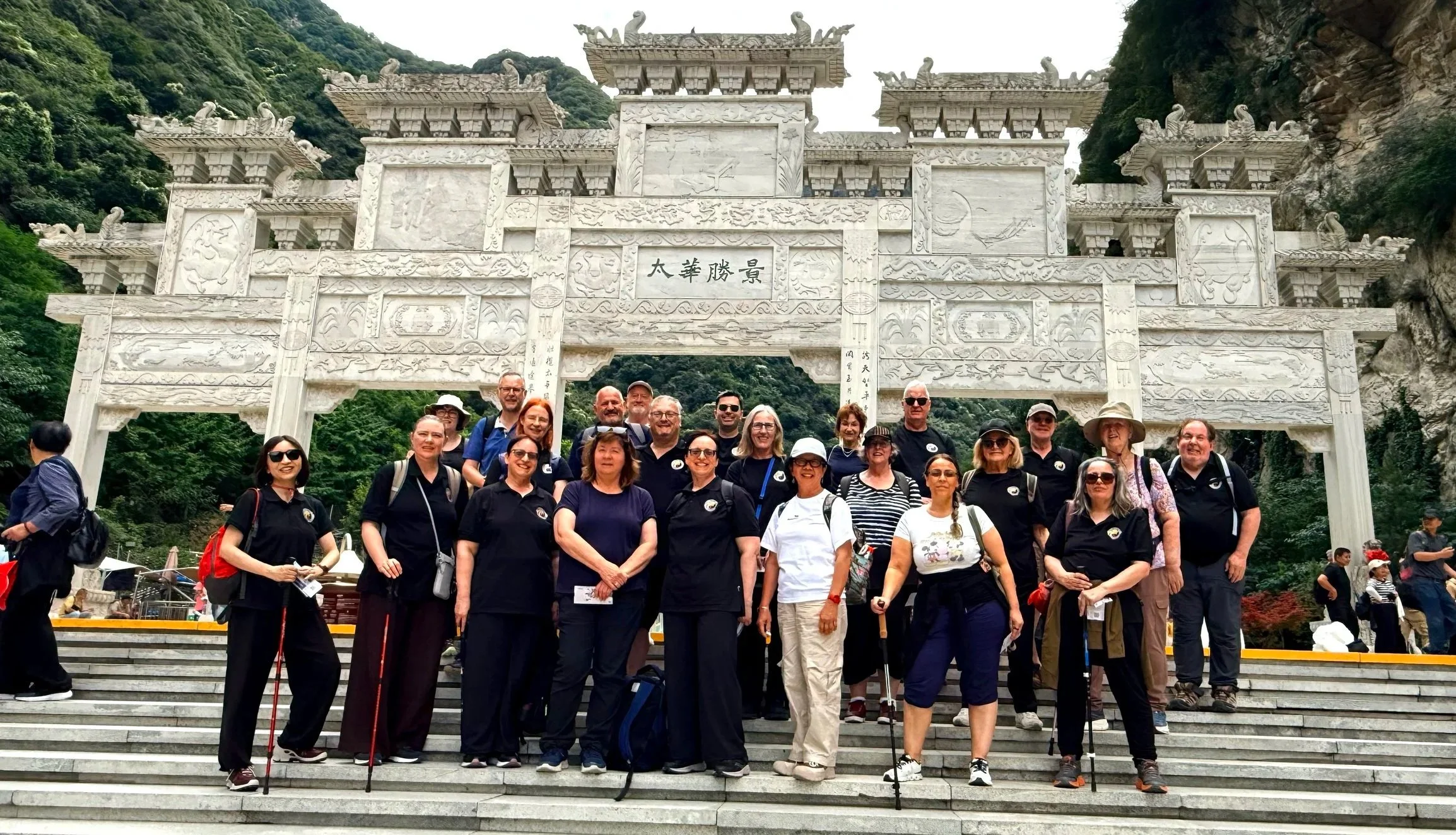
An unforgettable journey along the legendary Silk Road, a land of mystery and beauty, where ancient wonders and breath-taking landscapes abound. This bespoke itinerary blended Silk Road history, culture, and spectacular natural beauty into a truly unique experience.
Xi’an and the Terracotta Army
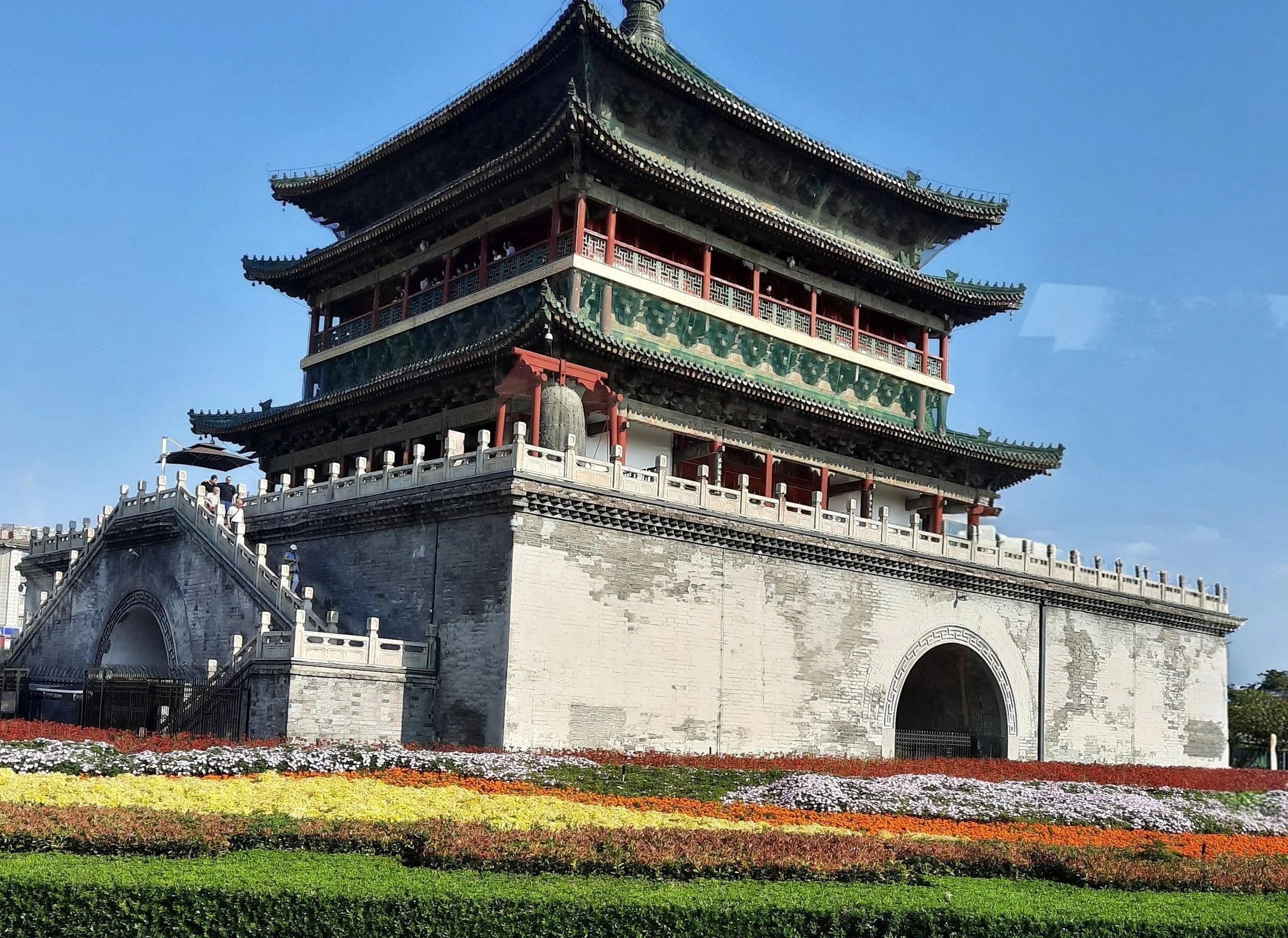
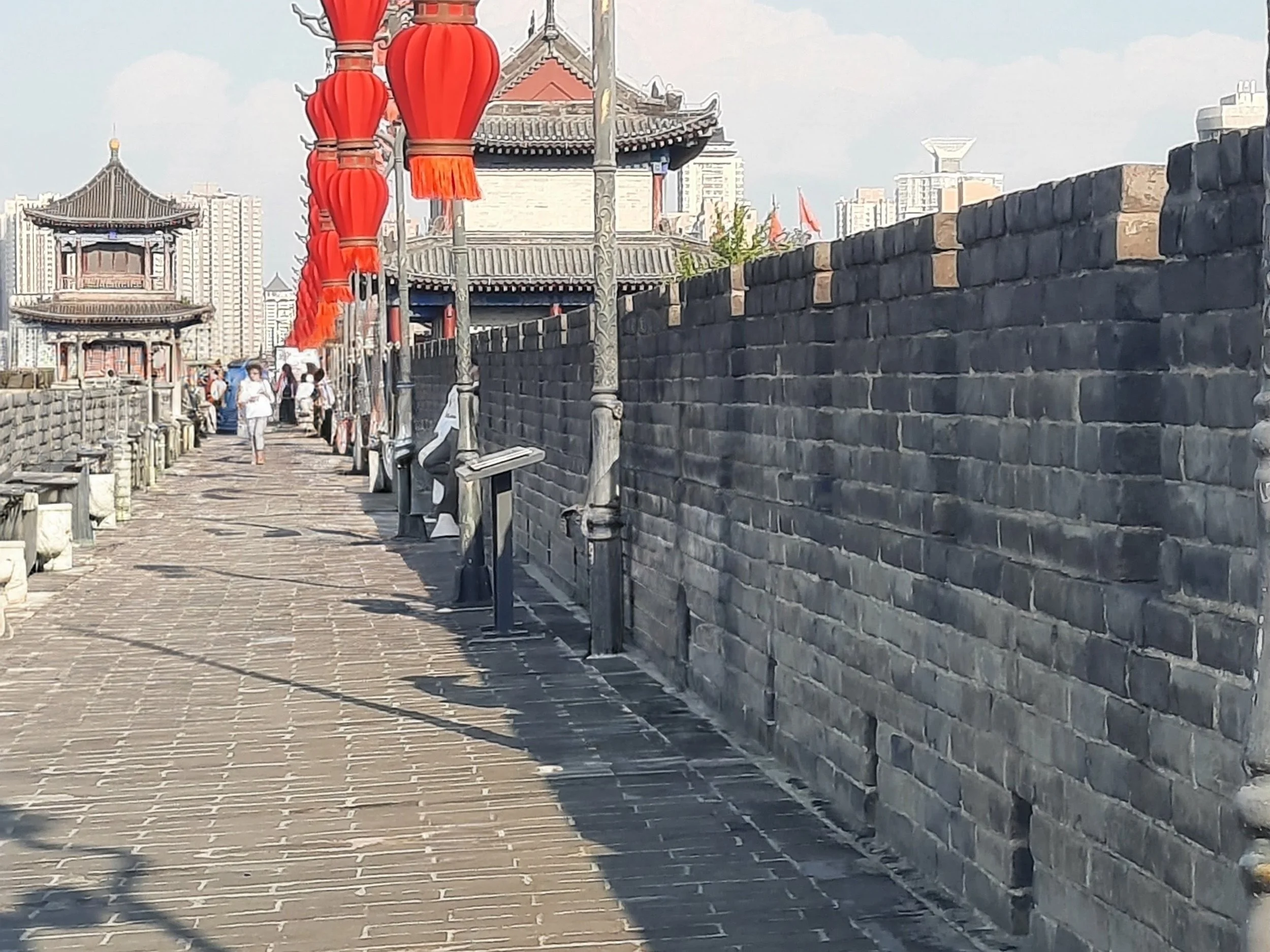
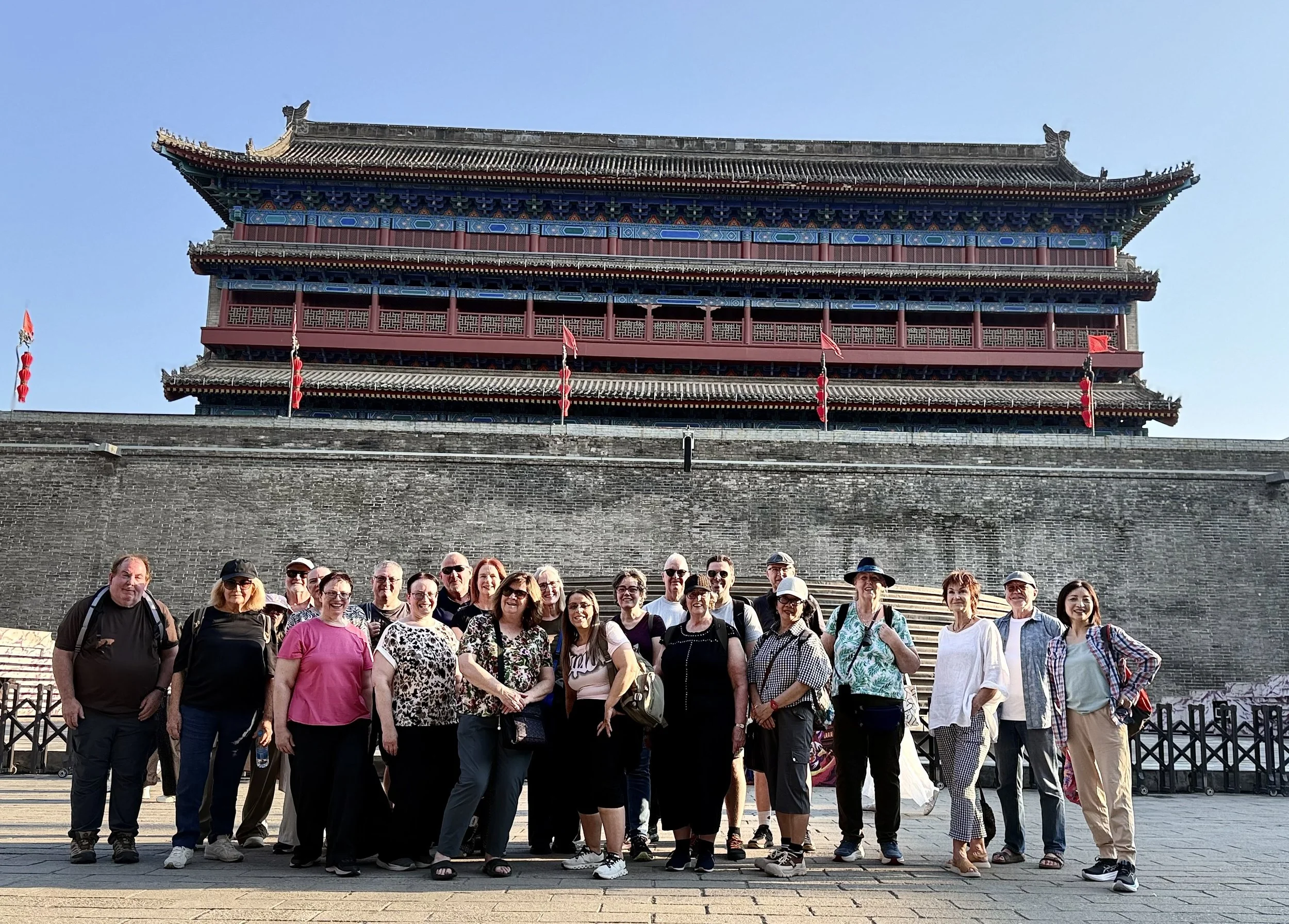
Our journey west began in Xi’an, where the ancient city wall gave us our first sense of the scale and history of the city. Walking along the broad ramparts, we took in the gates and towers before descending into the evening bustle. Around the table, generous bowls of broad belt noodles and shared local dishes gave us our first taste of the region and our first chance to settle into the journey together.
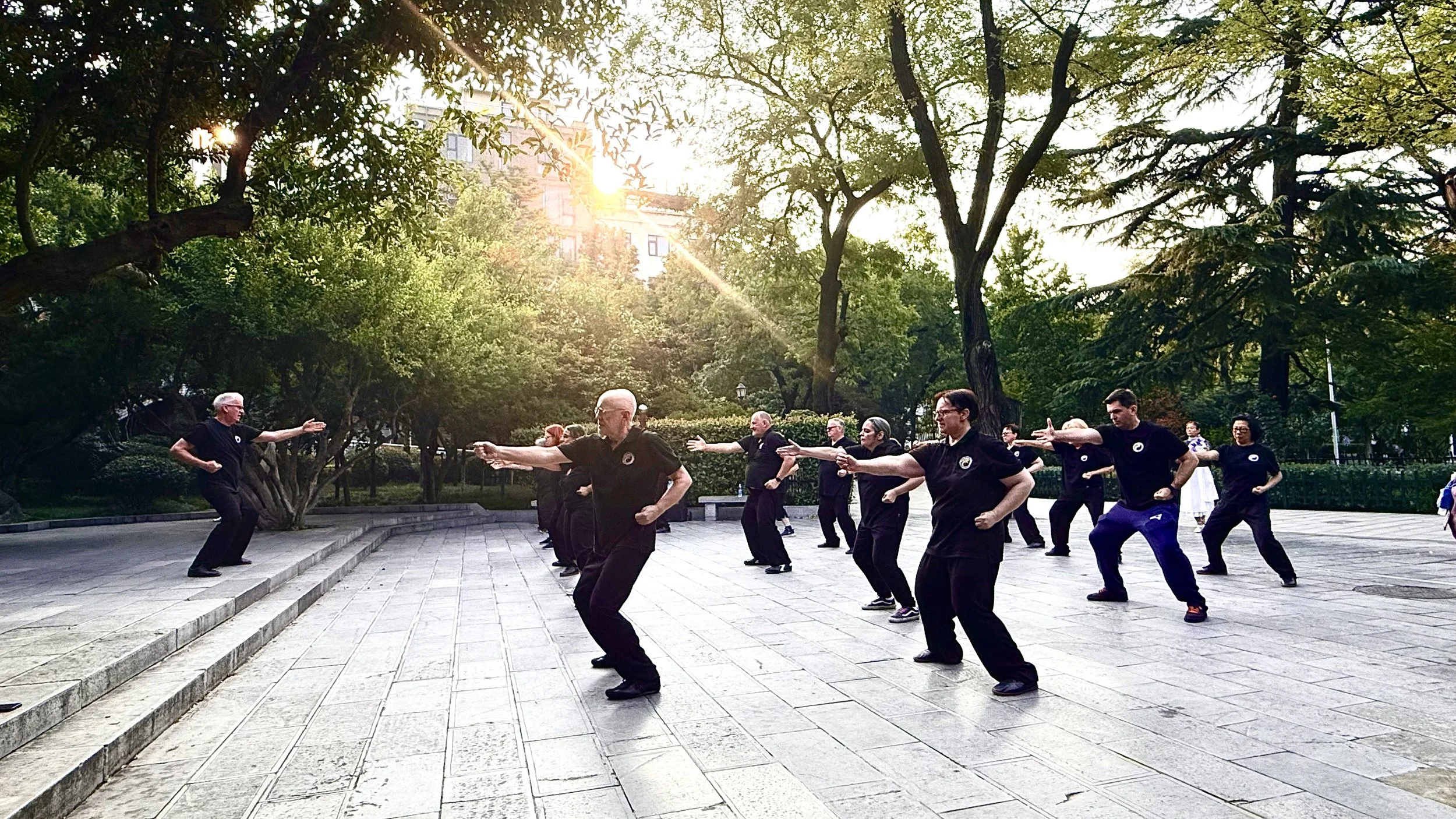
Tai chi became part of our morning rhythm, helping us stretch and revive after the previous day’s exertions and feel ready for the next adventure. In Xi’an, we practised in a park already alive with local morning exercise: people of all ages dancing, playing badminton, using the exercise equipment, and practising tai chi sword, forms and qigong. In other cities, locals sometimes paused to watch the visiting Westerners practising skills from a martial art woven into everyday life. Those shared sessions gave us a gentle start to busy days and a memorable connection with the communities around us.
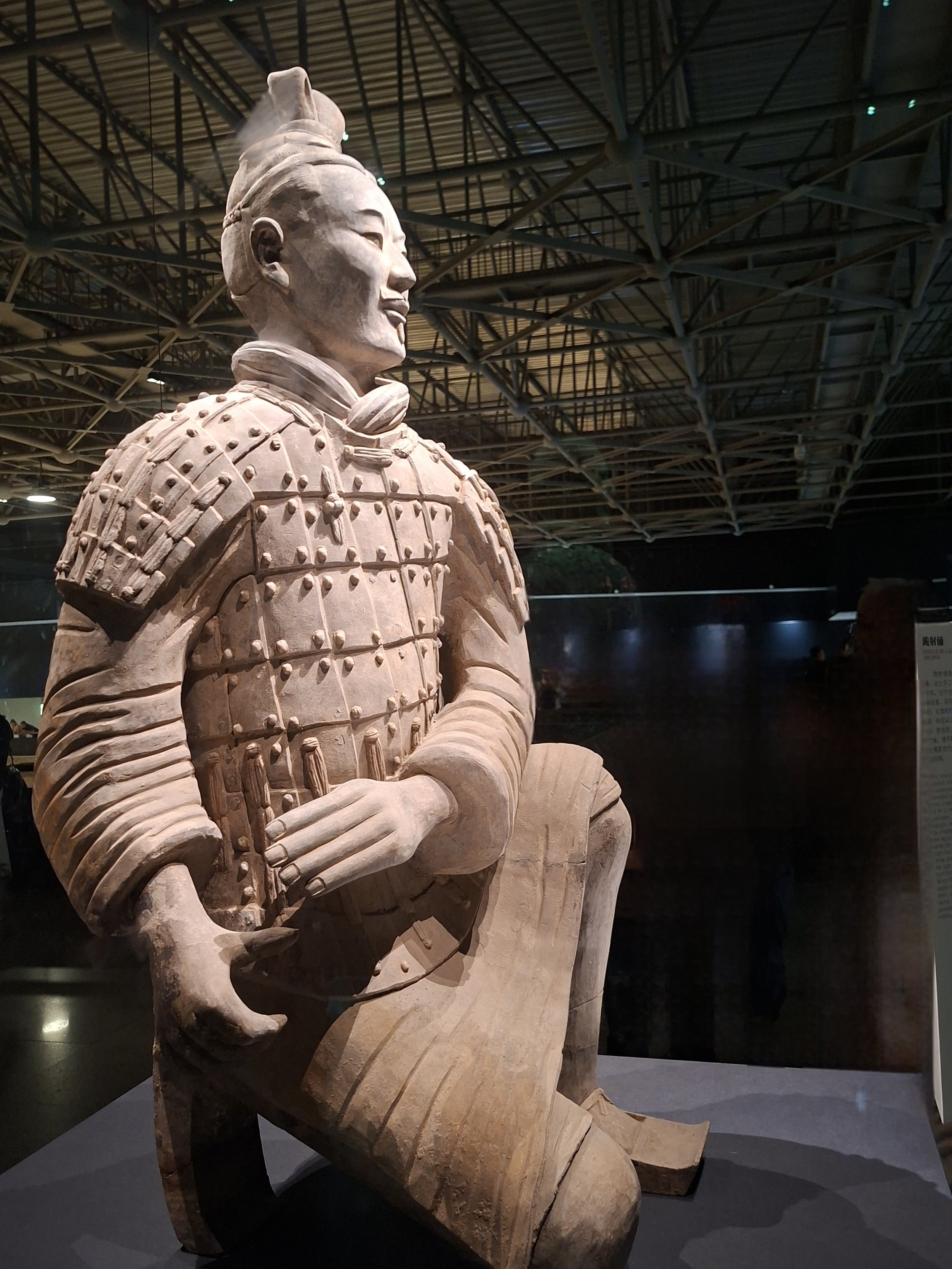
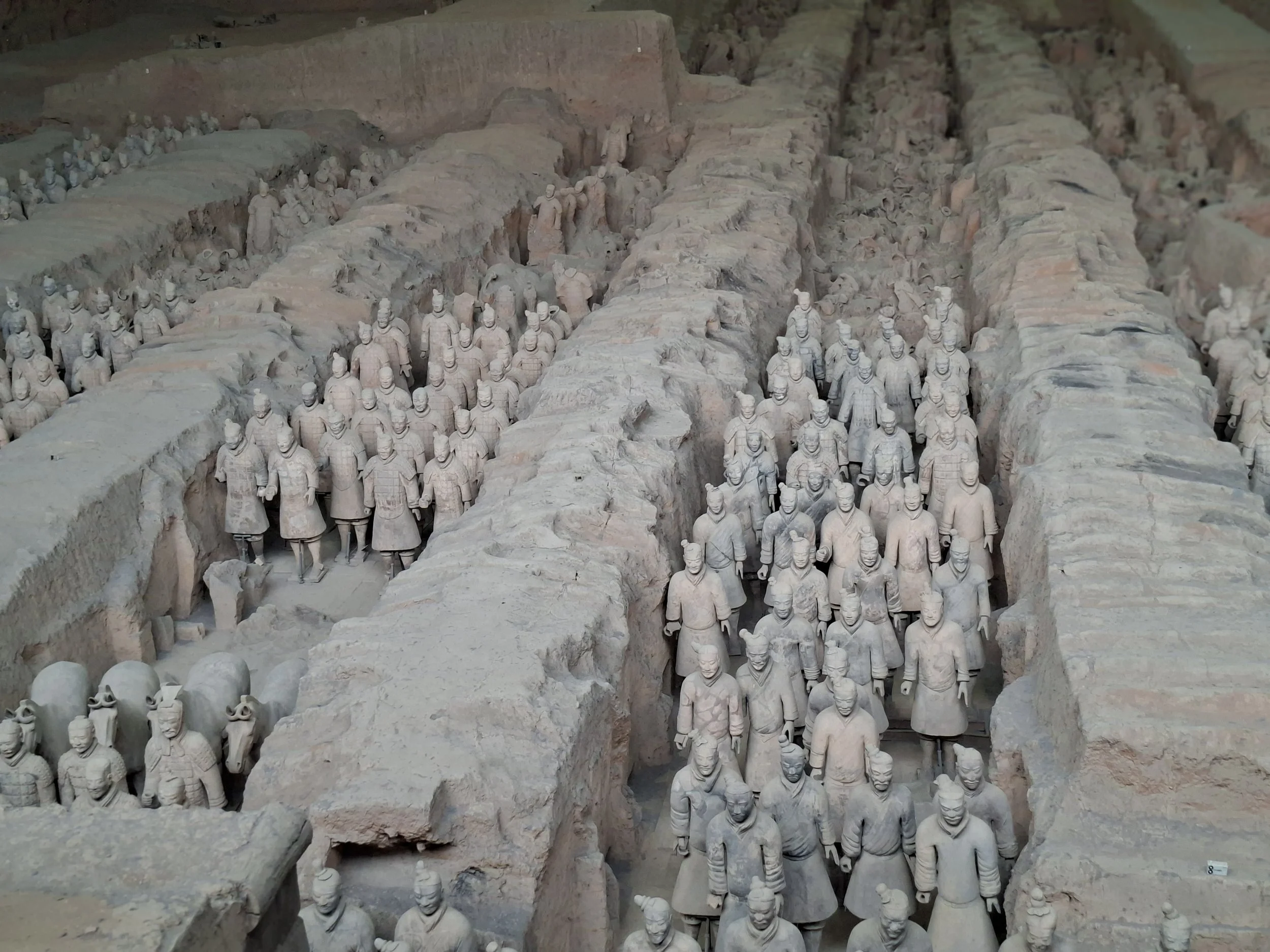
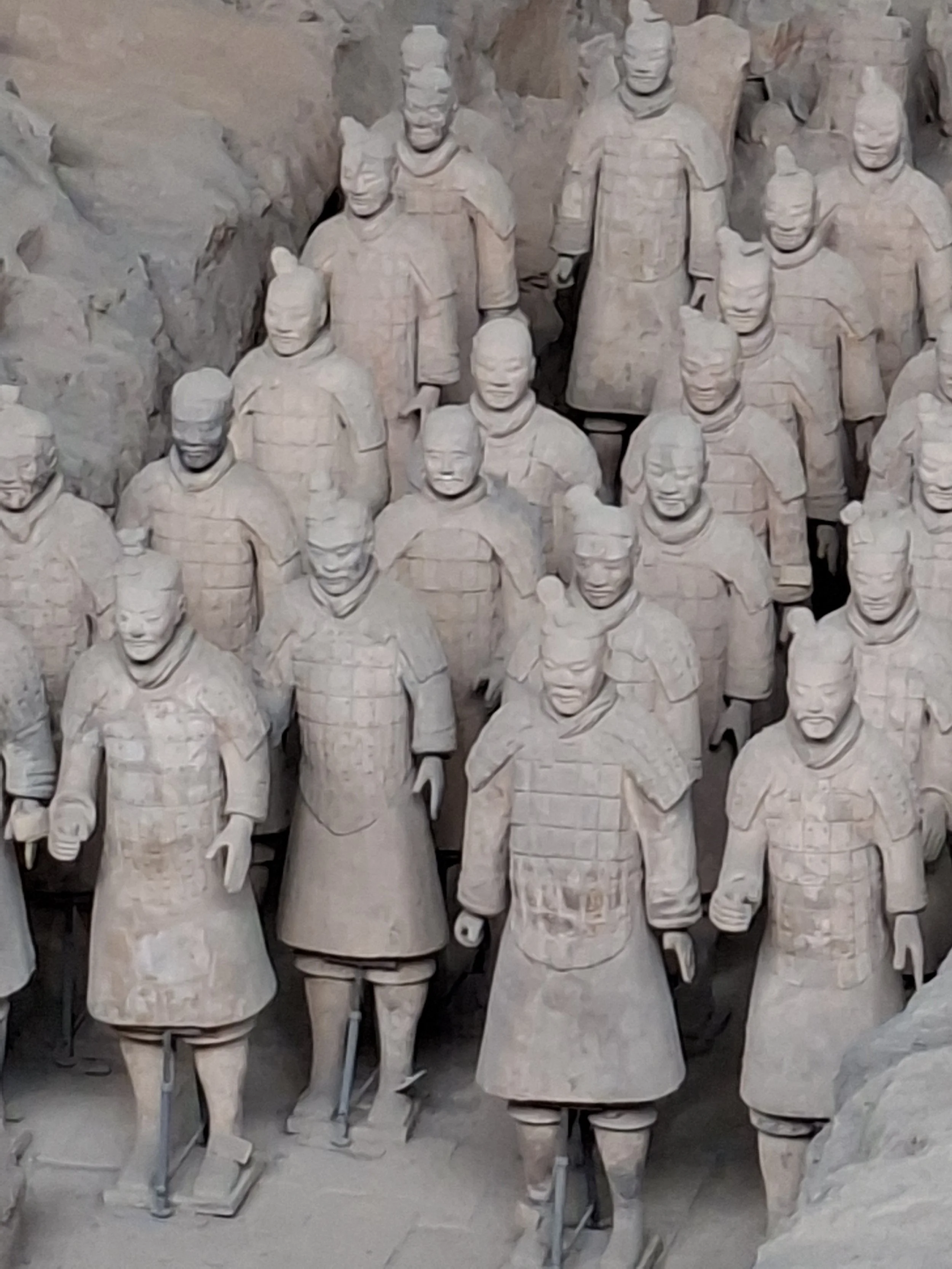
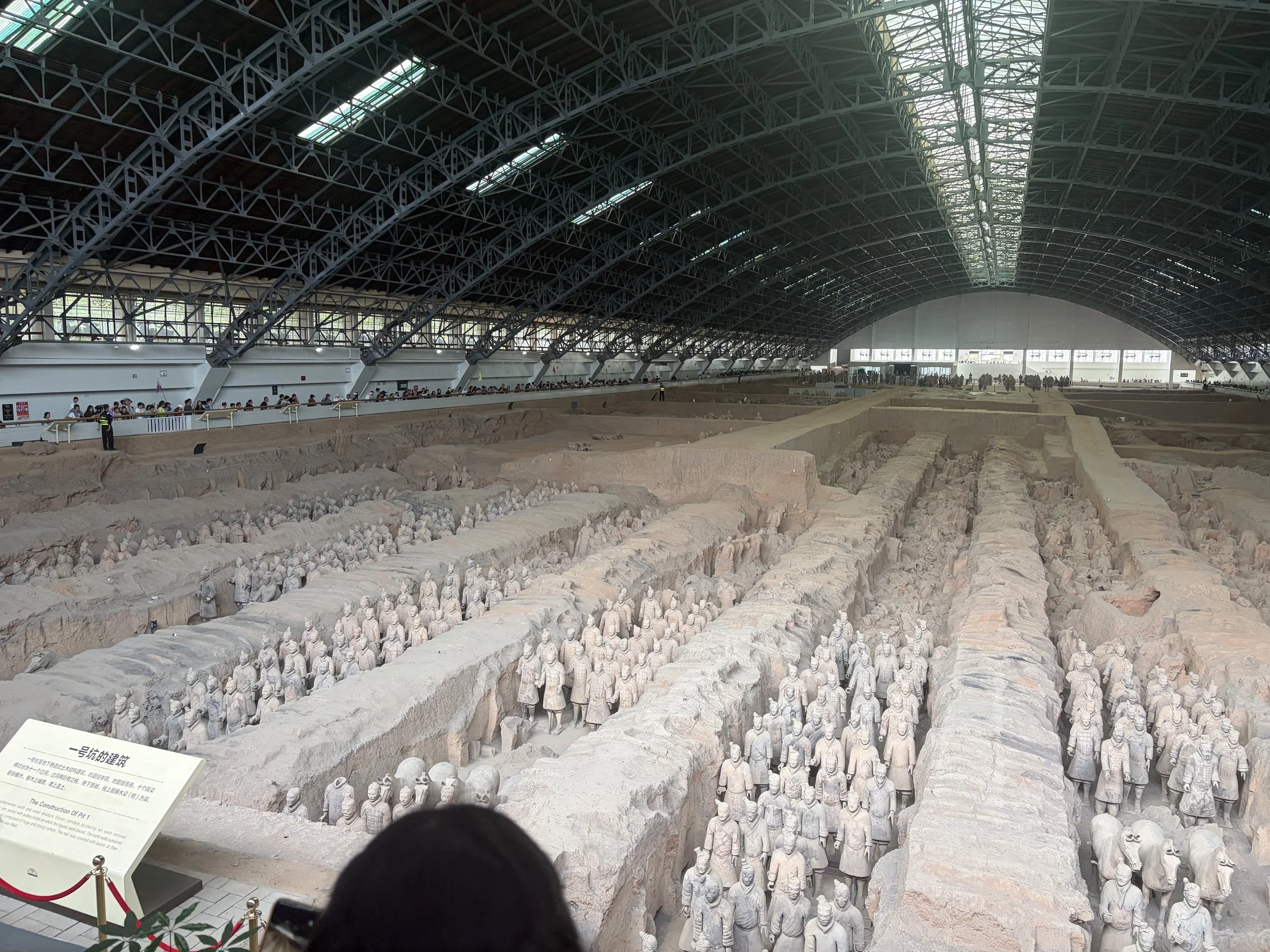
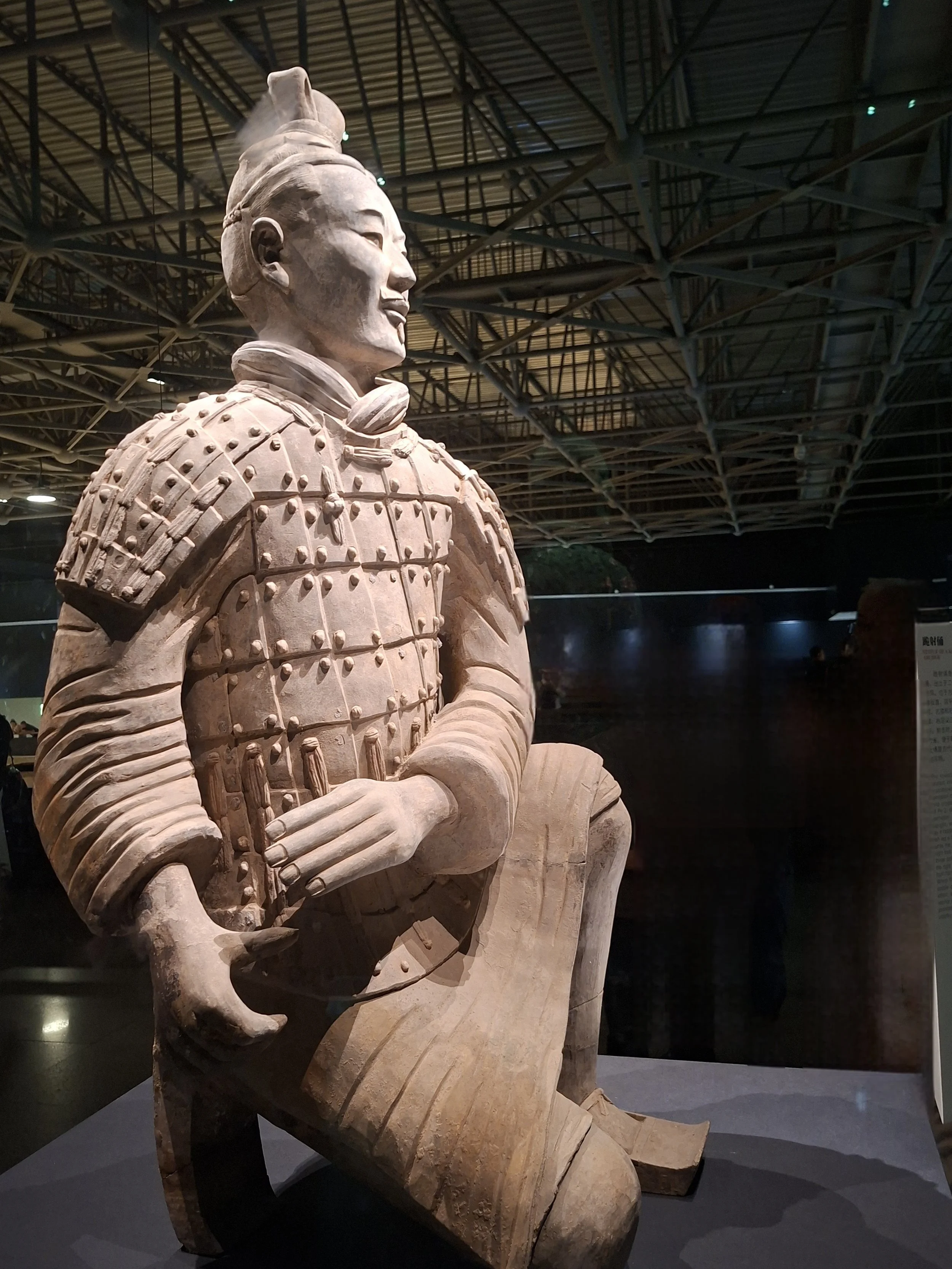
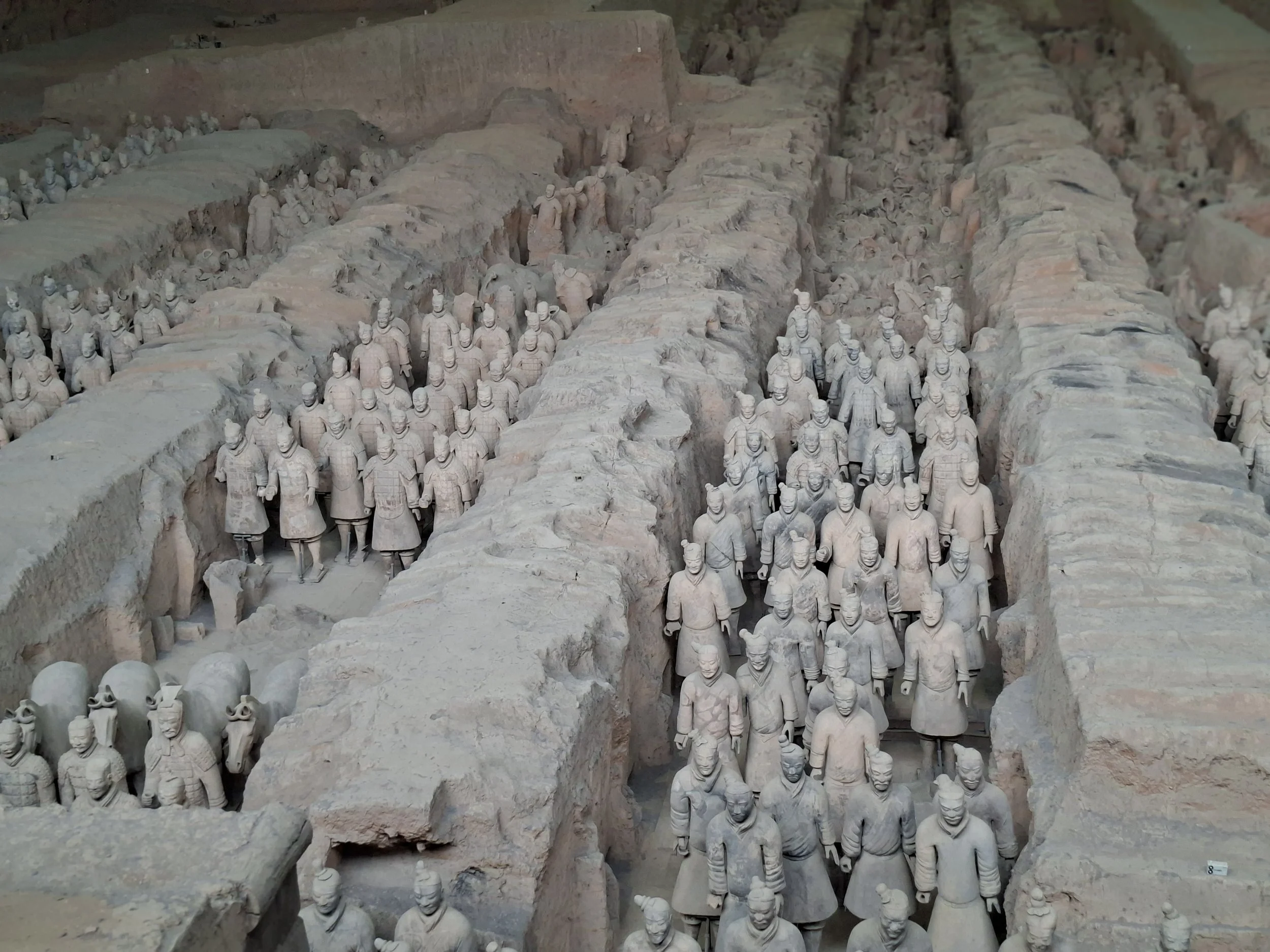
At the Terracotta Army, the ranks of figures were impressive from a distance; up close, the different faces, hairstyles and armour seemed to give each warrior a distinct presence. The scale was almost difficult to absorb, with rows stretching deep into the excavation pits. We found ourselves looking longer, noticing more and thinking about the patient work of restoring figures broken into pieces. The bronze chariots offered another reason to pause over the detail.
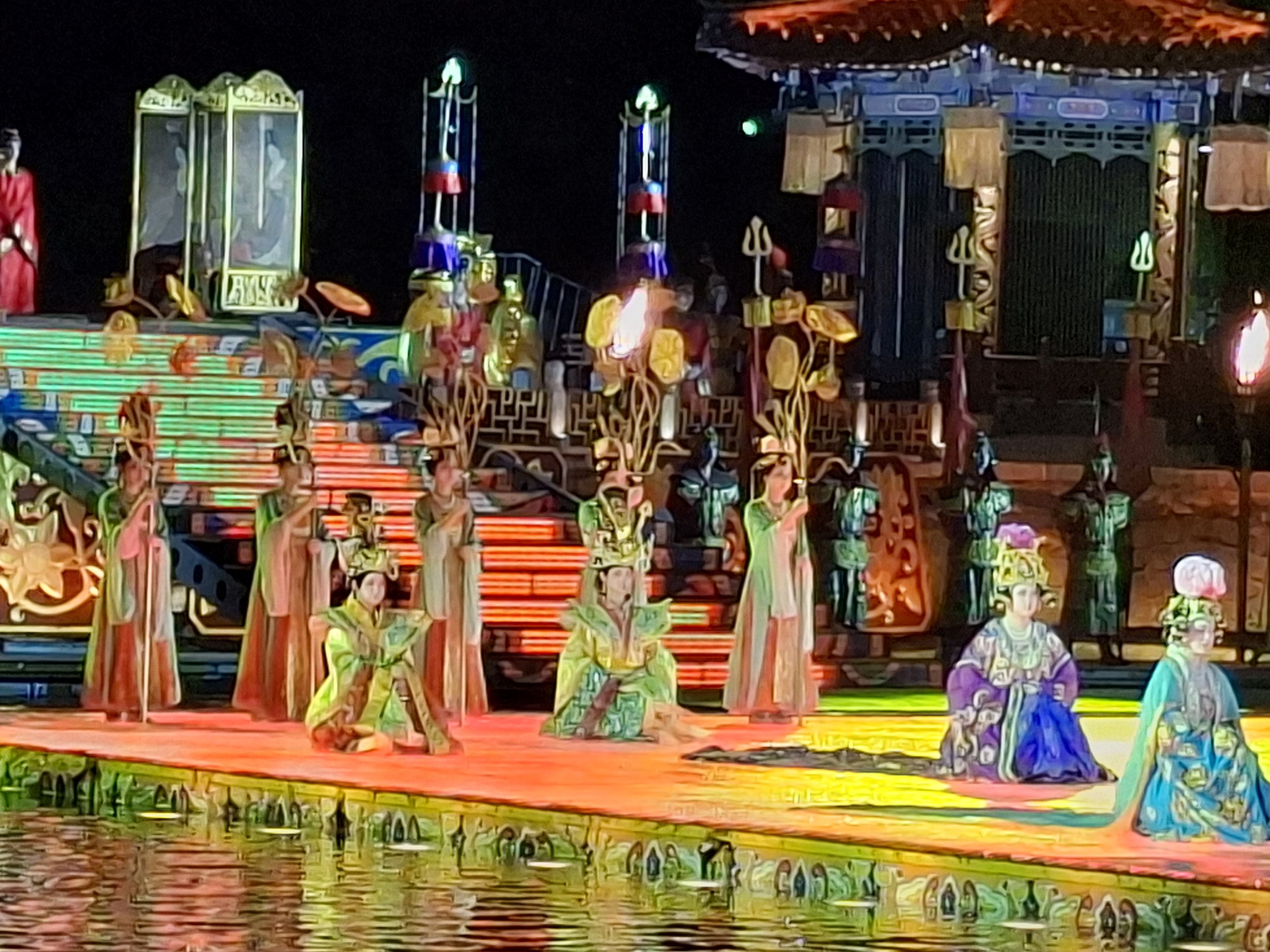
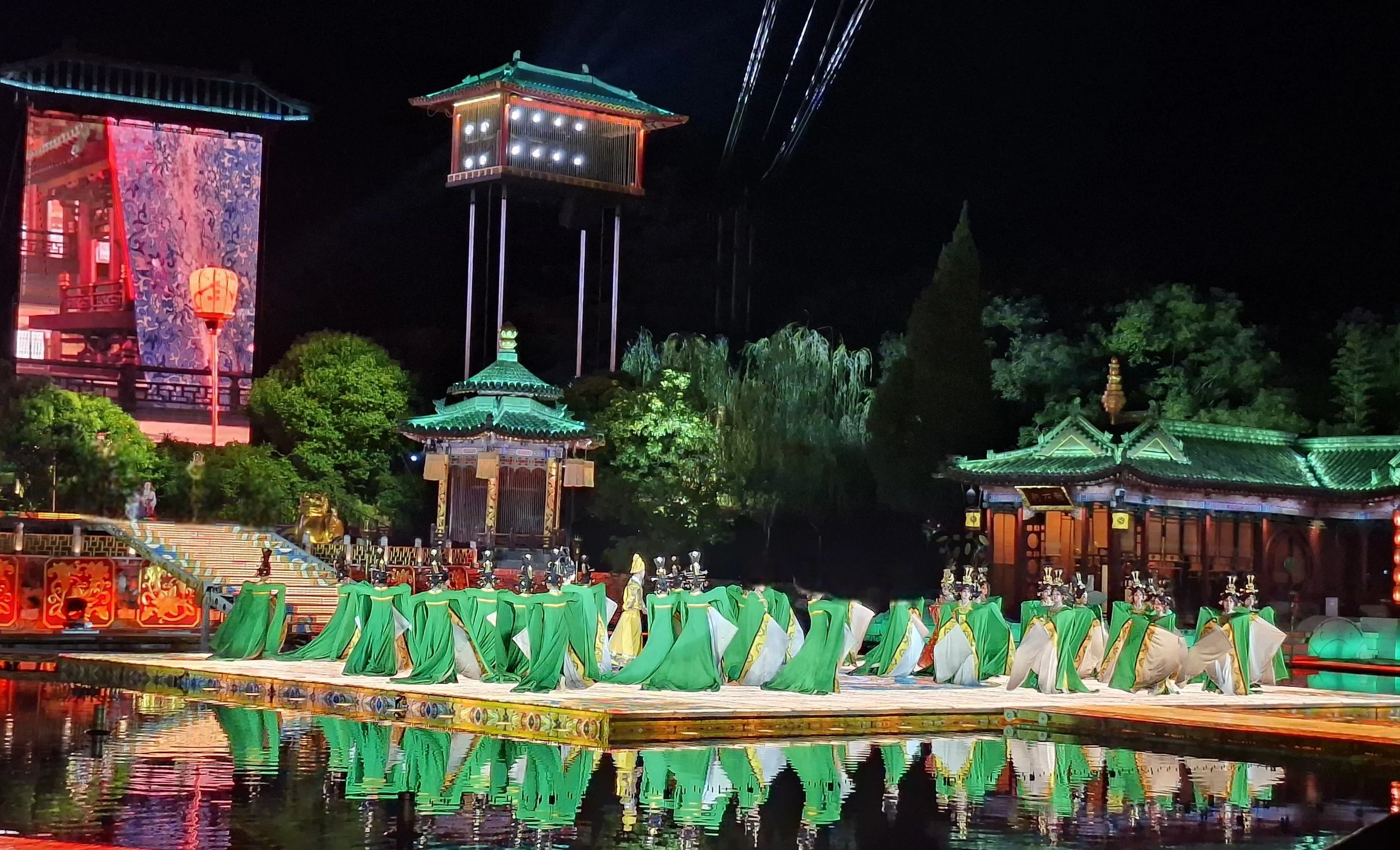
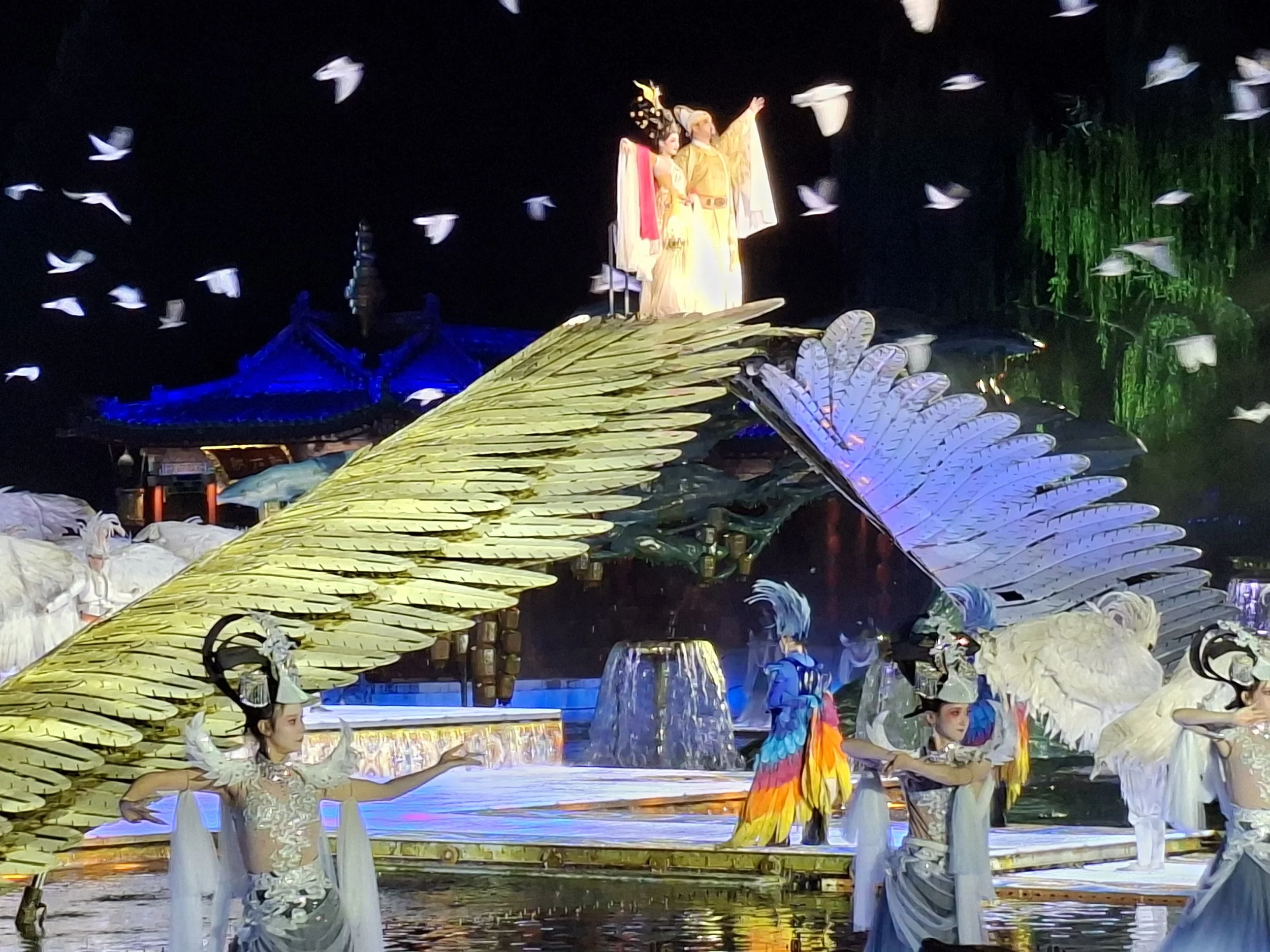
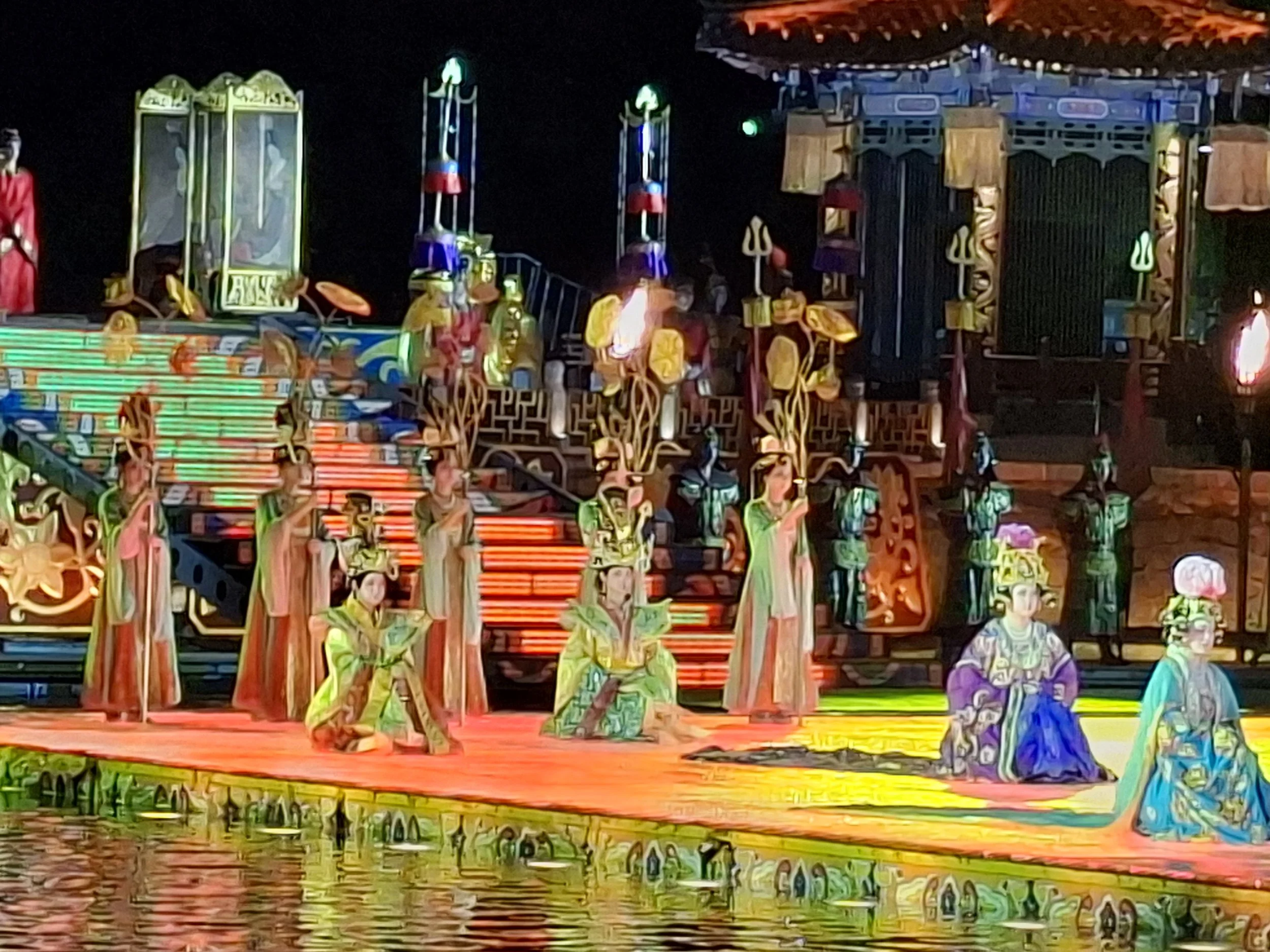
That evening we watched Song of Everlasting Sorrow at Huaqing Palace, an open-air retelling of the Tang emperor Xuanzong and Yang Guifei. Water stages, fire, music and dance played against the pavilions and Mount Li, with vivid costumes and shifting light building from scene to scene. Even without understanding the Chinese dialogue, we were completely absorbed. The music was gripping, the dancing extraordinary, and each visual effect seemed more spectacular than the last. We had a tears in our eyes at the end; the emotion and scale of the performance has stayed with me.
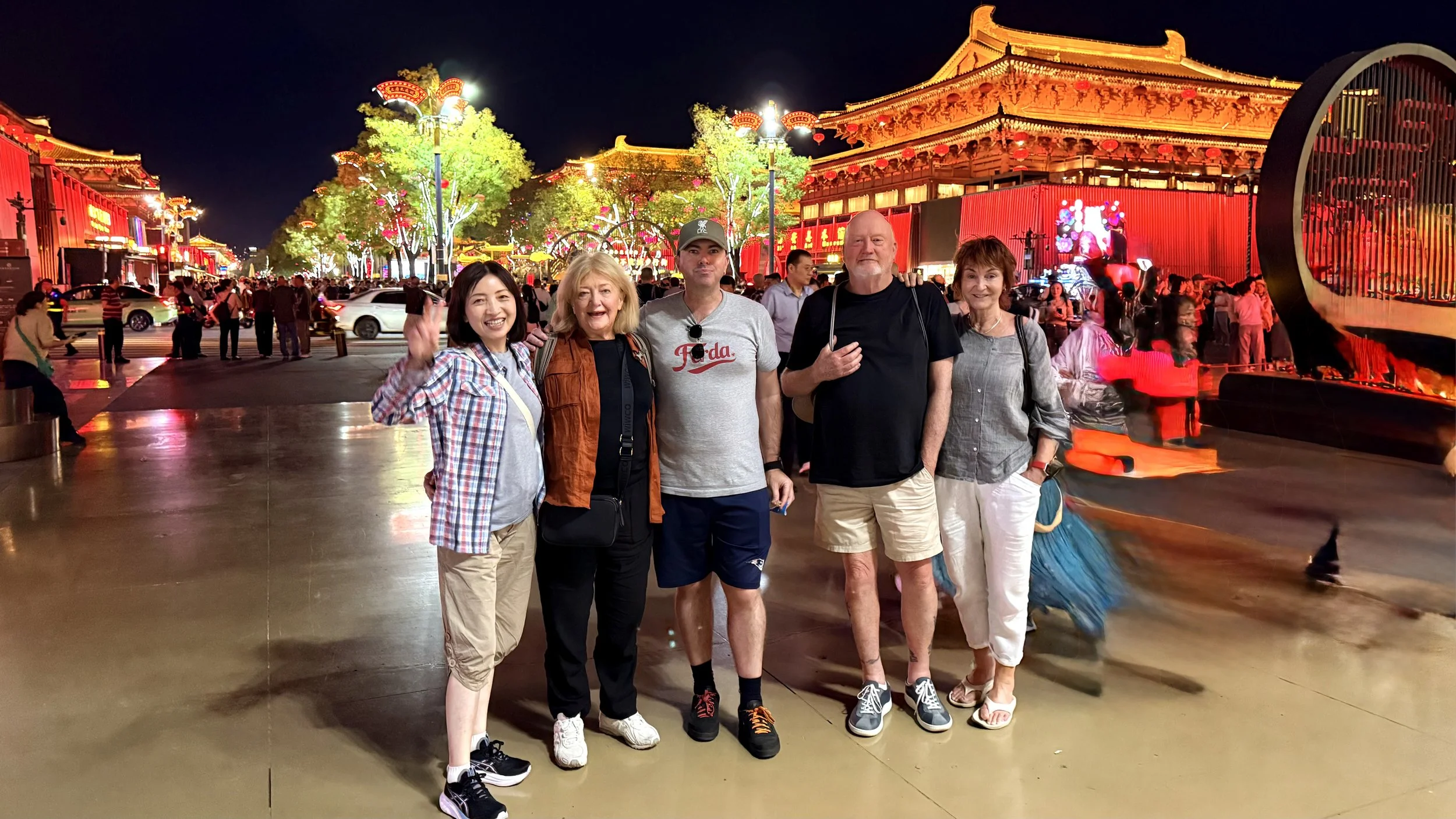
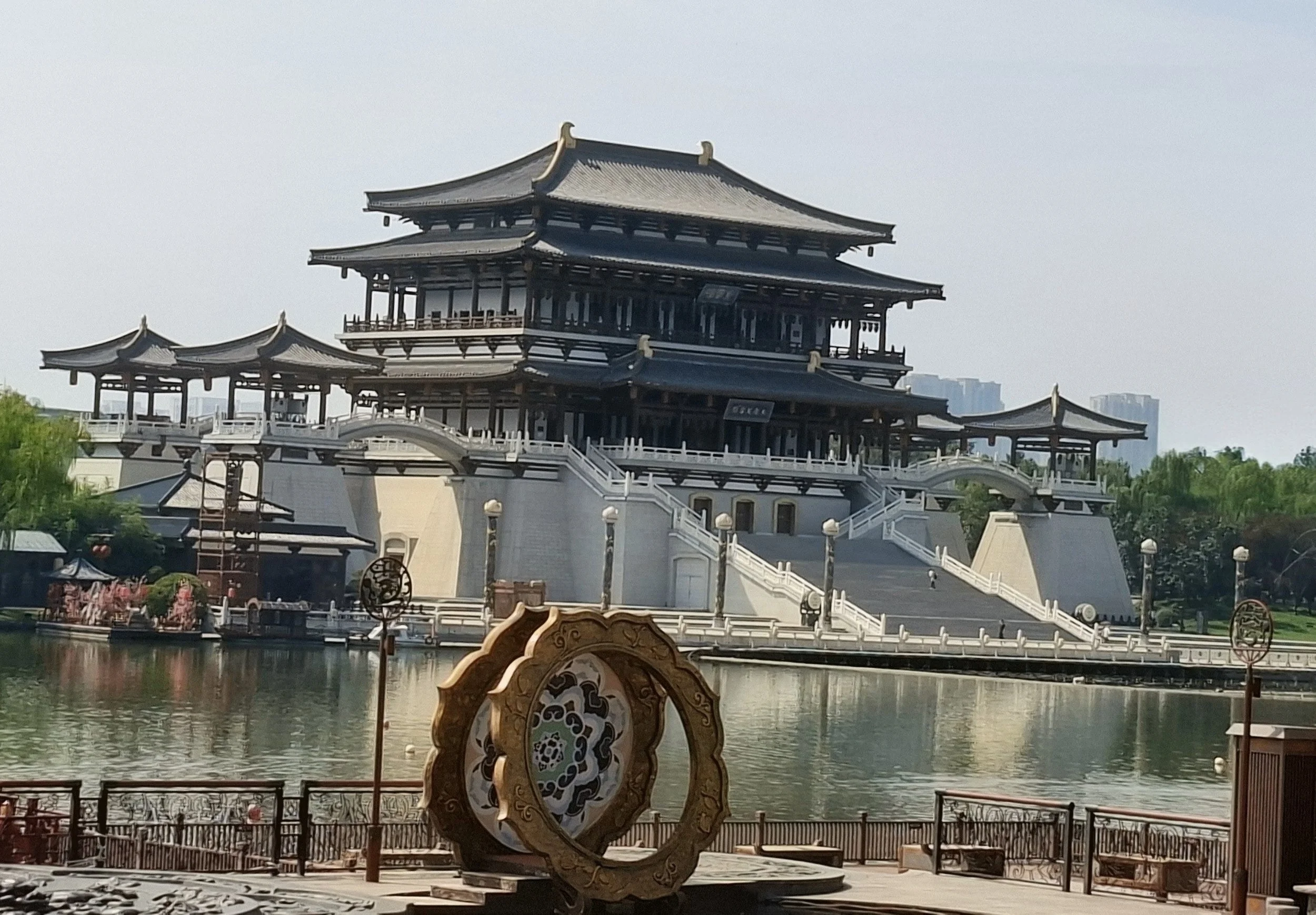
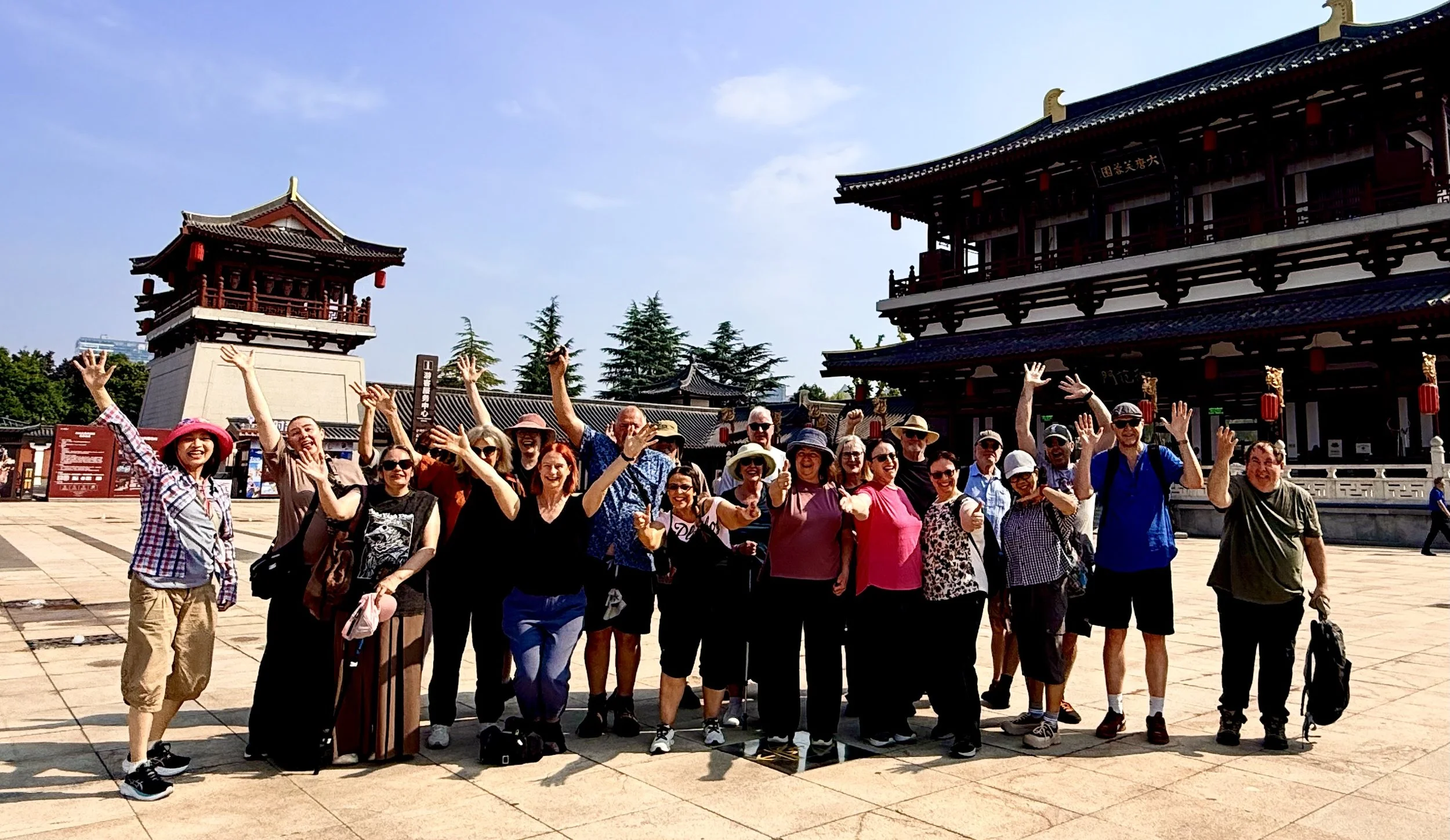
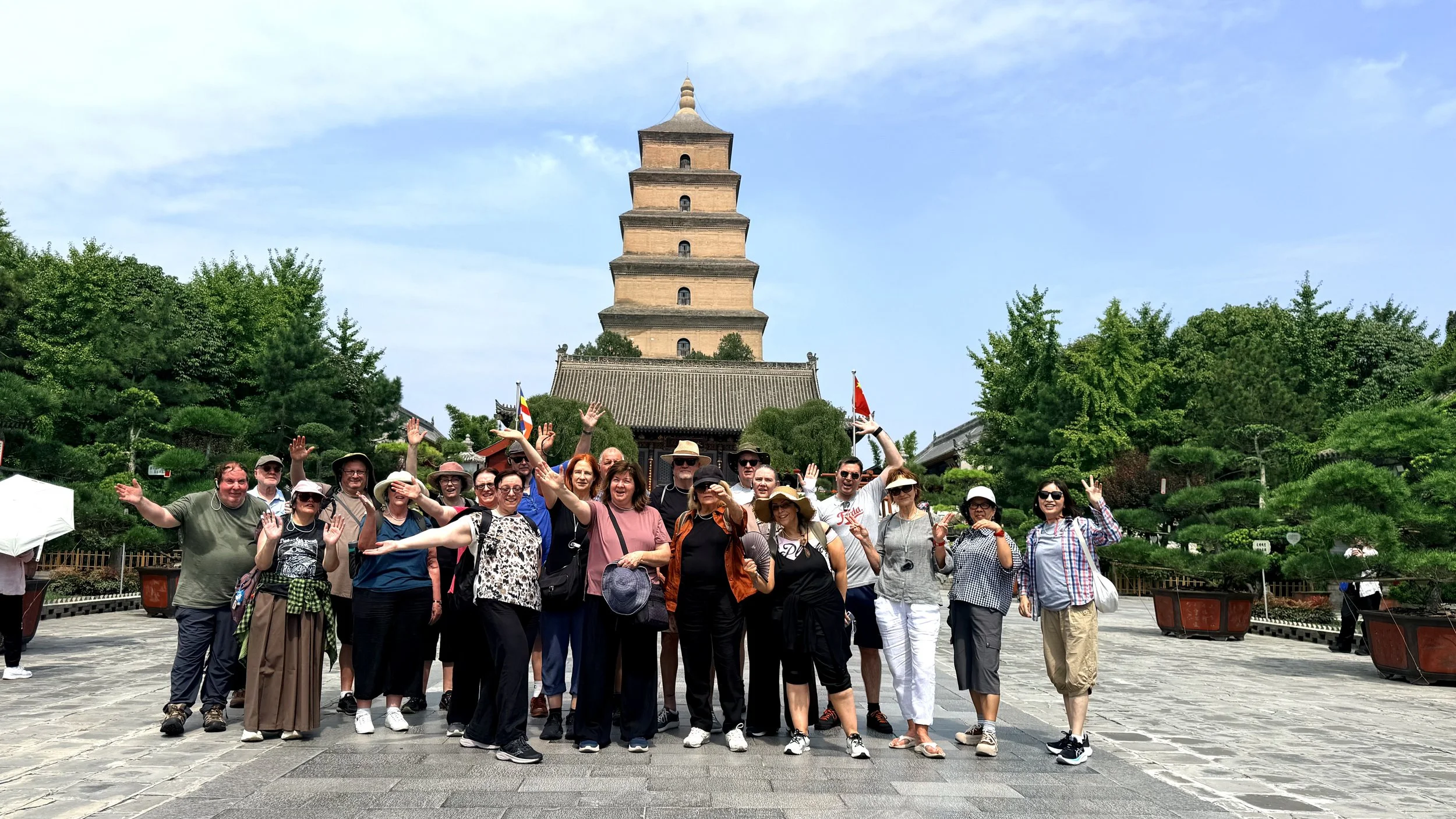
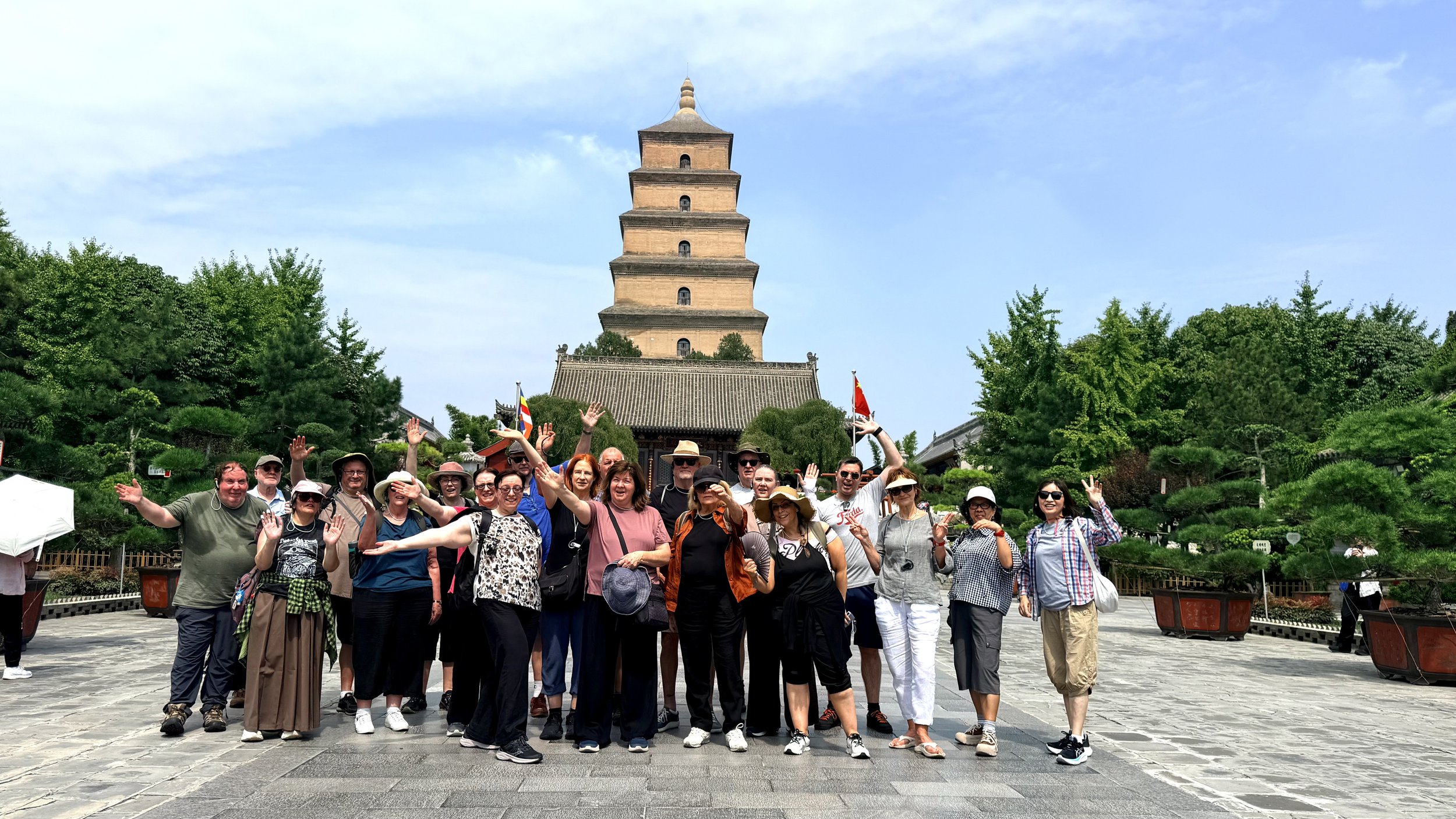
We continued exploring Xi’an through the gardens and lakes of Tang Paradise, the Giant Wild Goose Pagoda and the collections at the Shaanxi History Museum. Seeing the Tang-era district after dark gave the city another character, and the stories of the people, faith and trade that shaped this former imperial capital began to feel close at hand.
A day among the peaks of Mount Hua
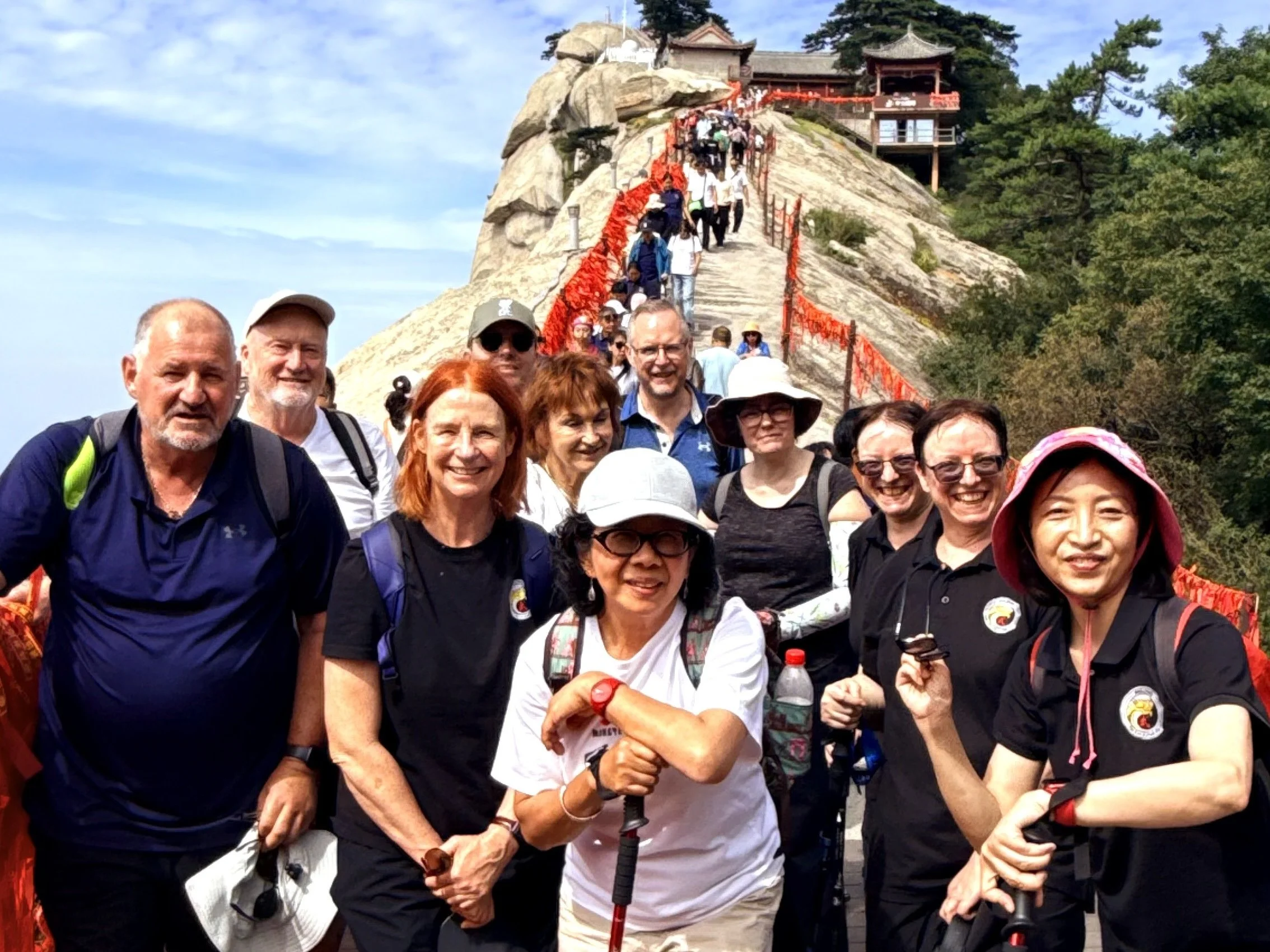
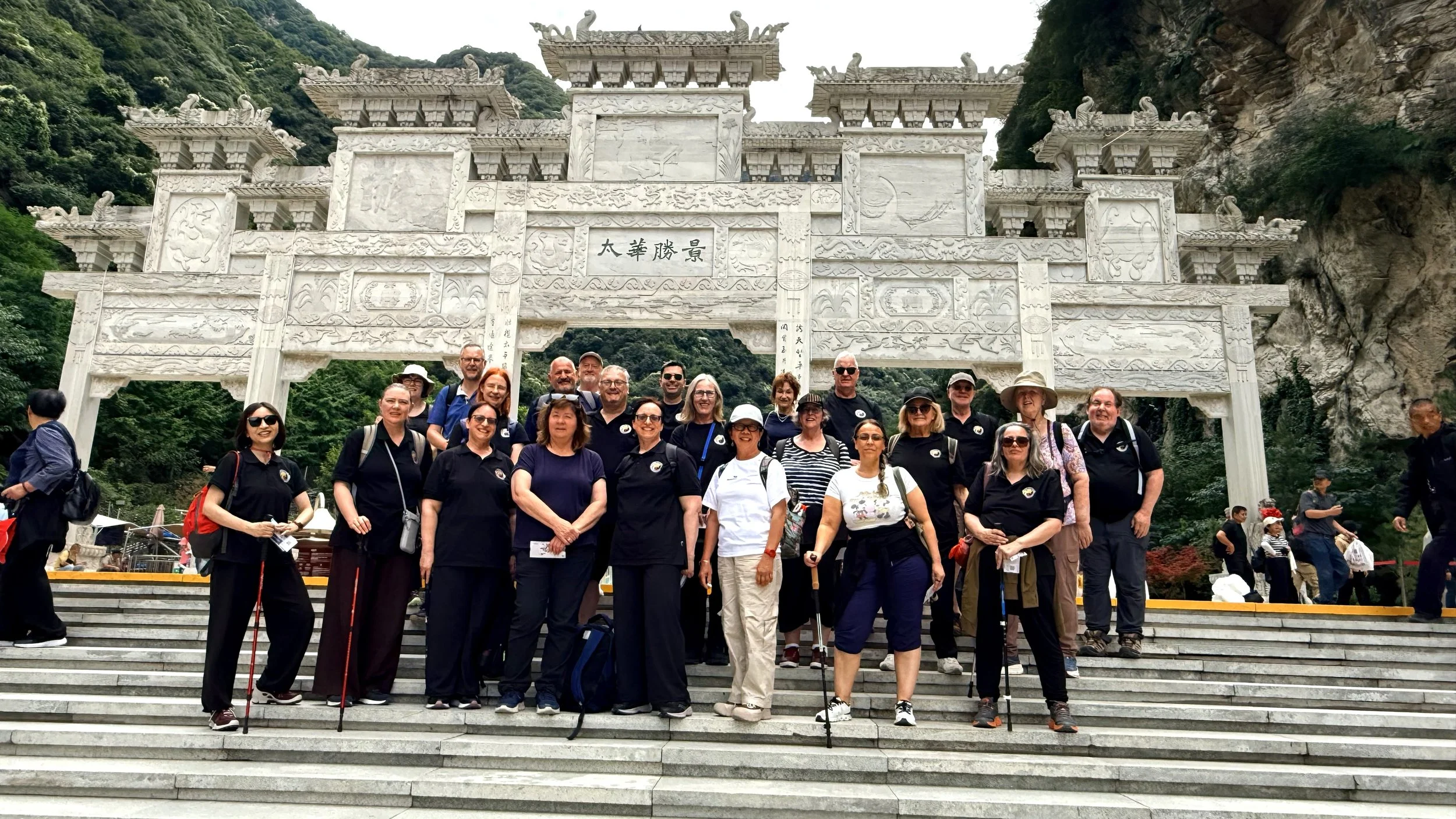
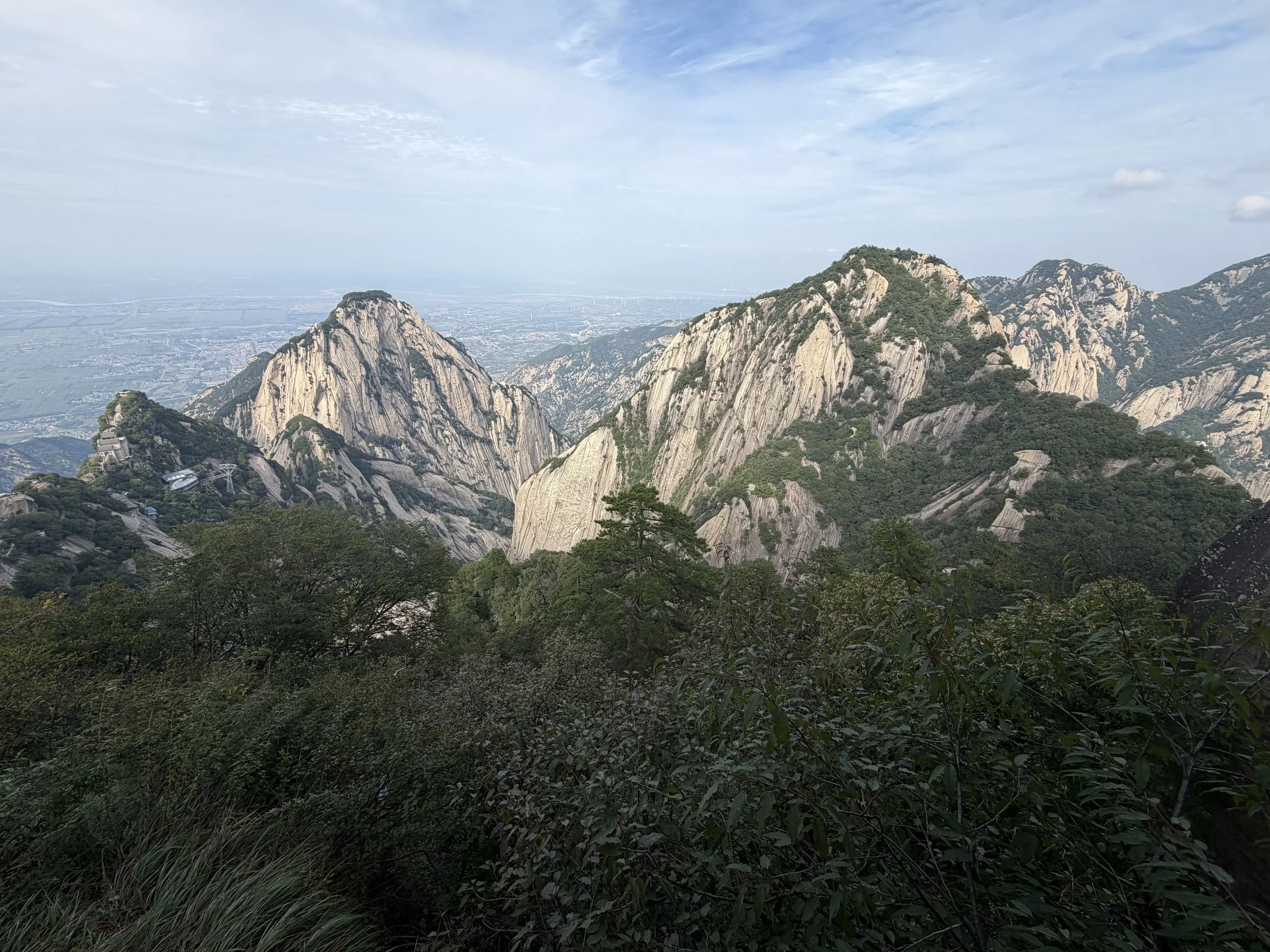
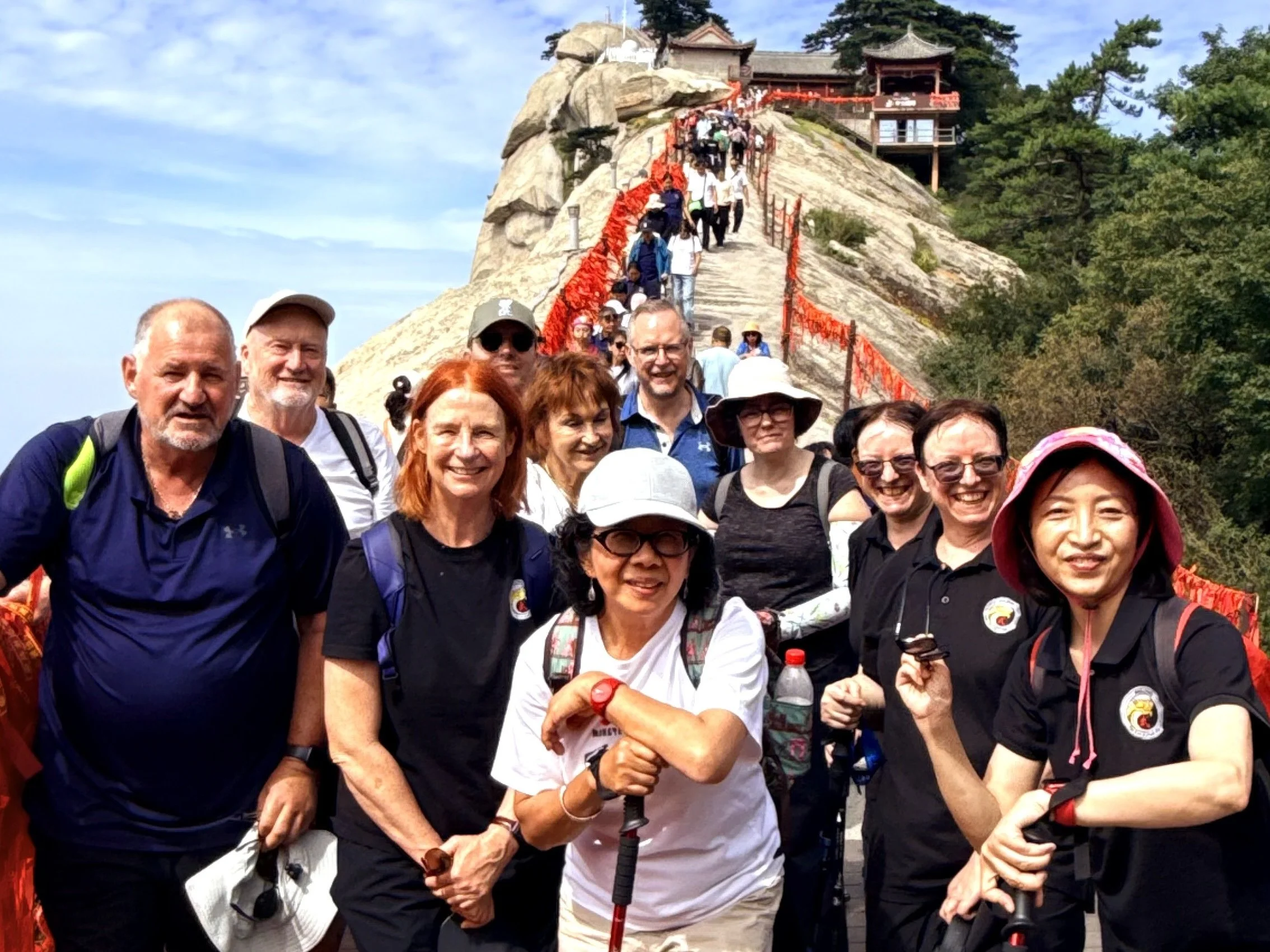
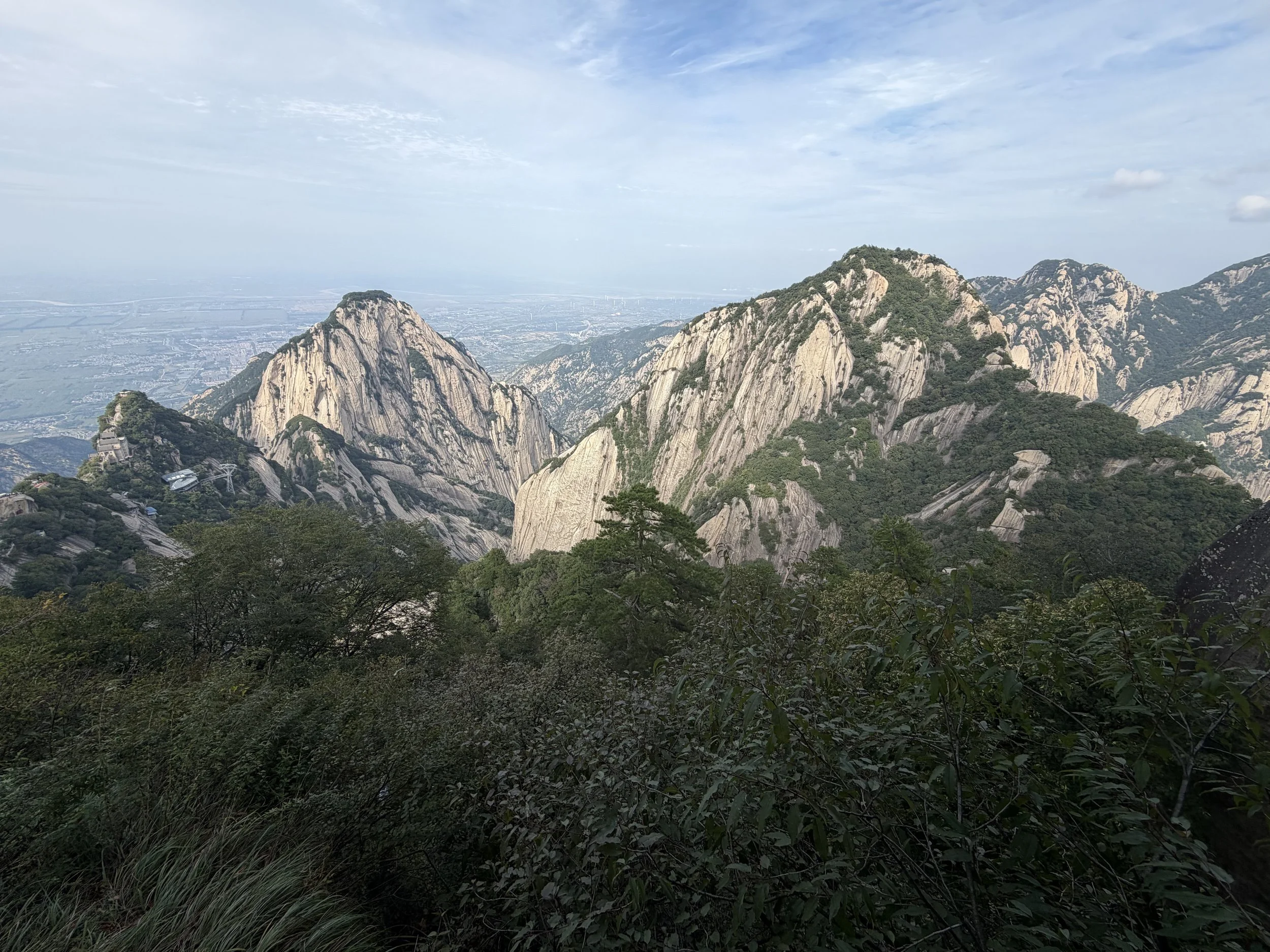
Mount Hua changed the pace. The cable car carried us high above the valleys, and views through its windows gave way to steep, narrow paths along the ridges. We picked our way between viewpoints and temples, stopping to catch our breath, take photographs and look back at the ground we had covered. The paths demanded care and effort, but the immense granite peaks and deep ravines made every pause worthwhile. Conversation and humour along the way became part of the memory, as much as the mountain itself. Reaching the heights together brought a particular sense of achievement.
West through the Hexi Corridor
West of Xi’an, the landscape opened out. From the train and coach, green fields and river valleys gradually gave way to dry hills and the open Gobi. Our guide, Henry’s, explanations helped us see how water from the mountains supported towns and farms along this historic corridor. The changing scenery made the Silk Road’s geography tangible: settlements appeared where water allowed life to take root.
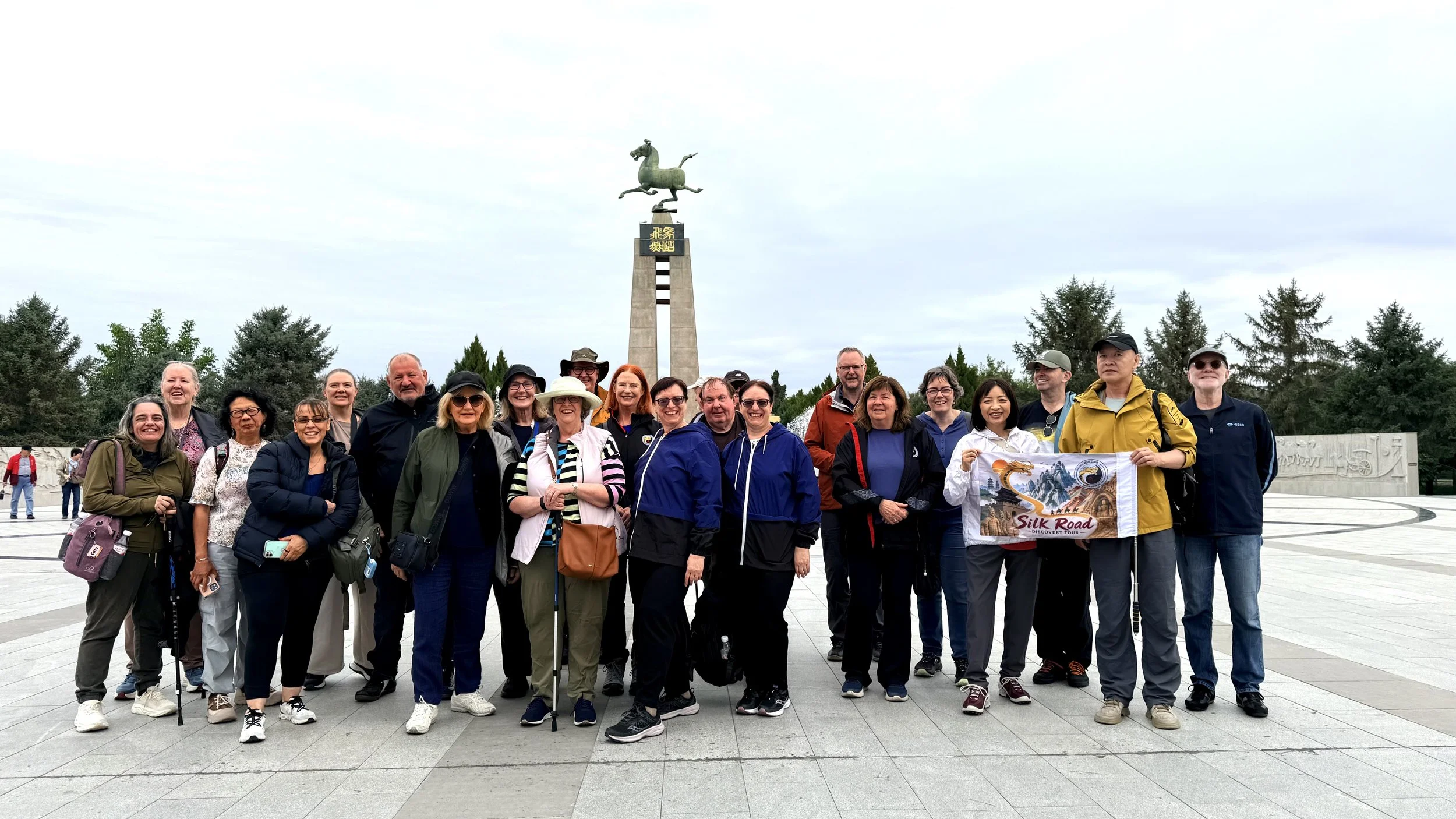
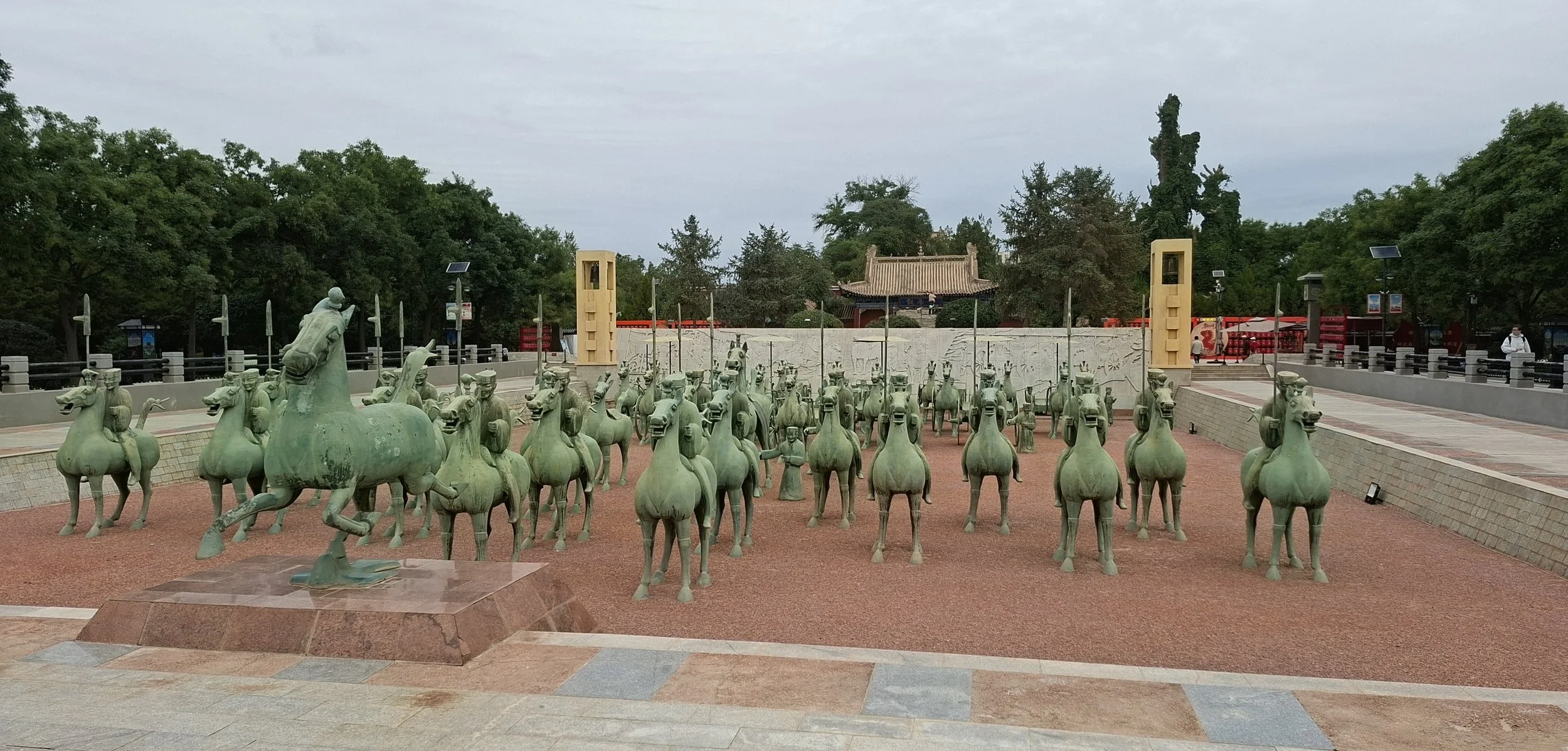
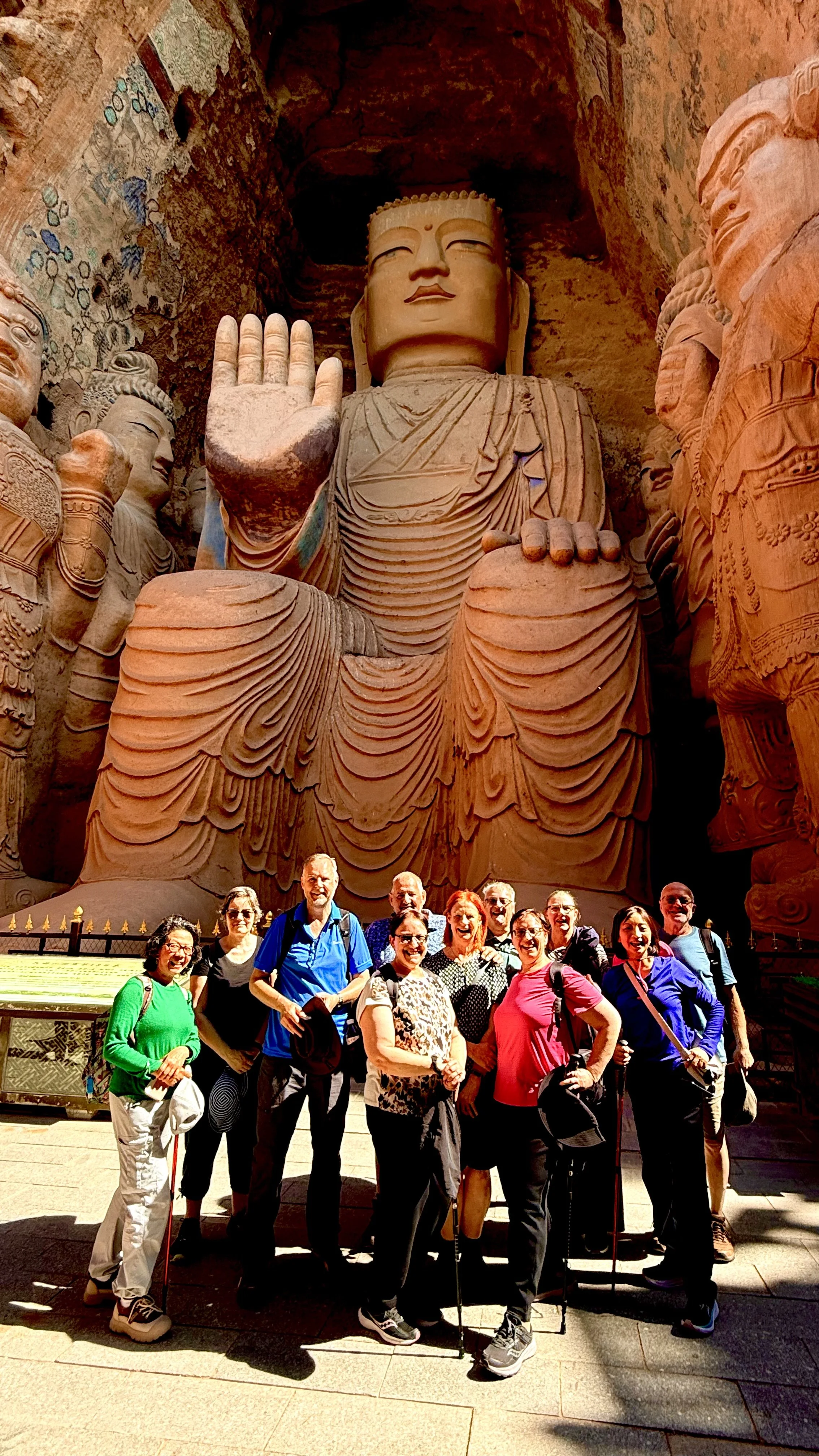
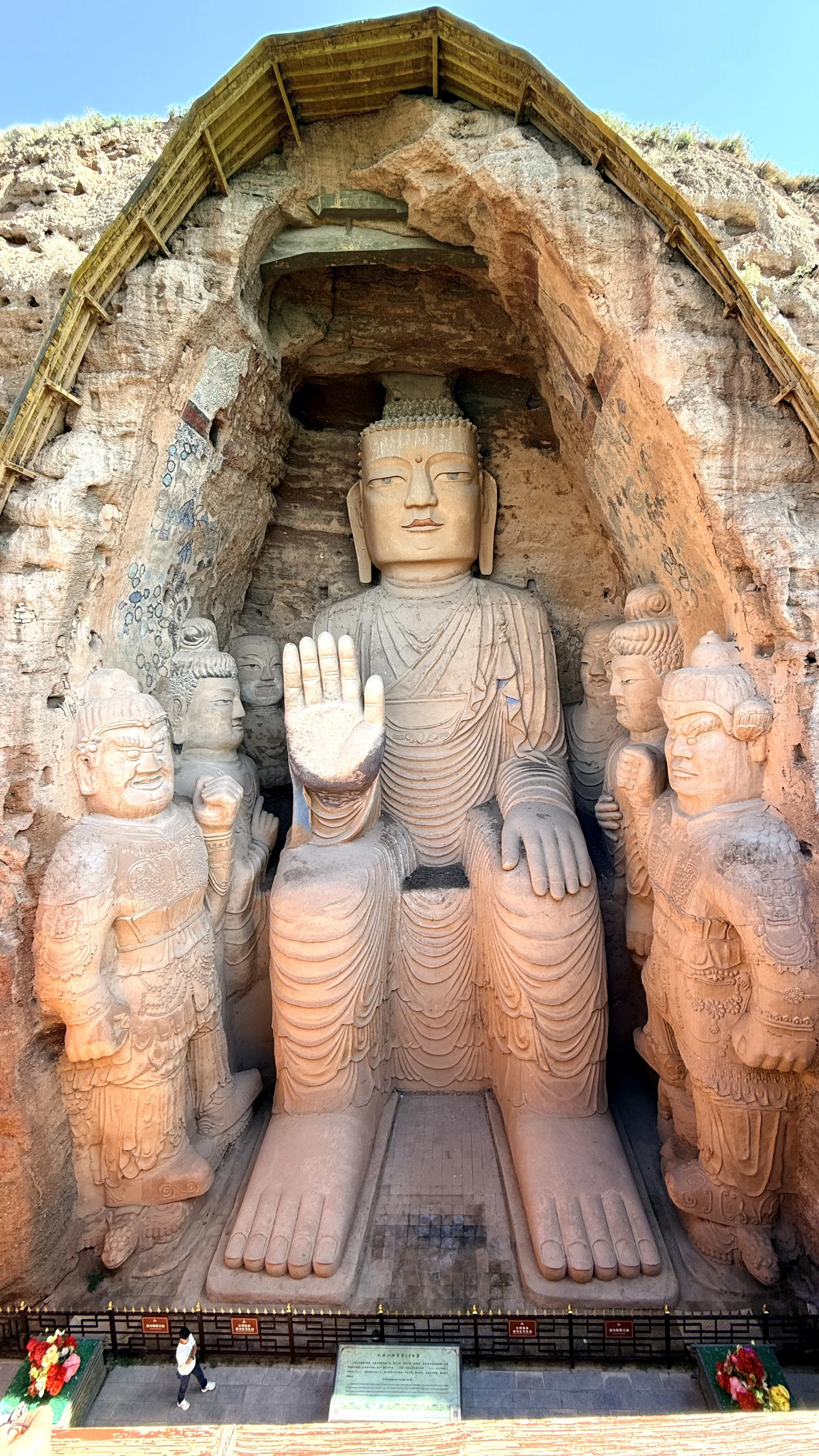
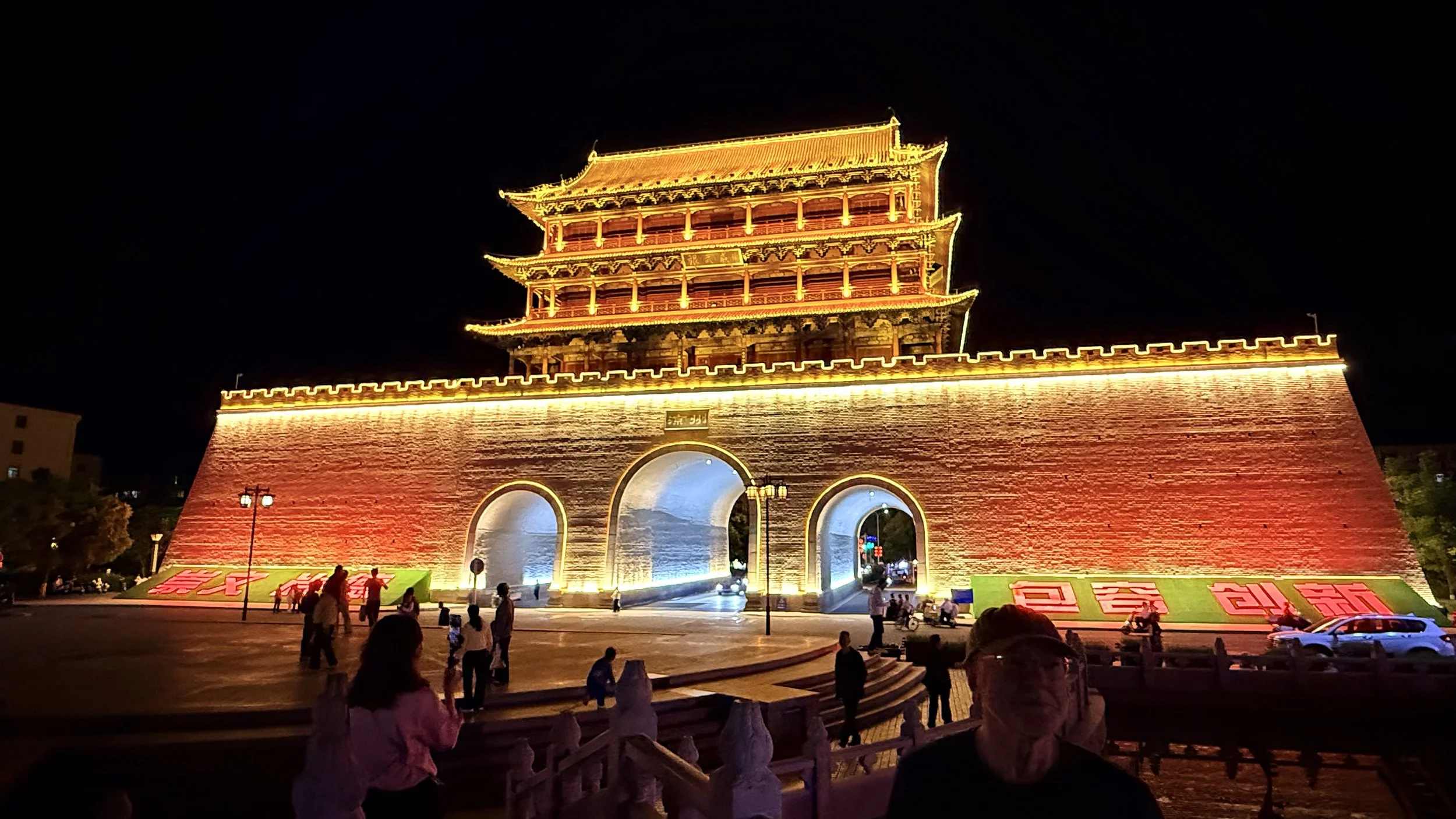
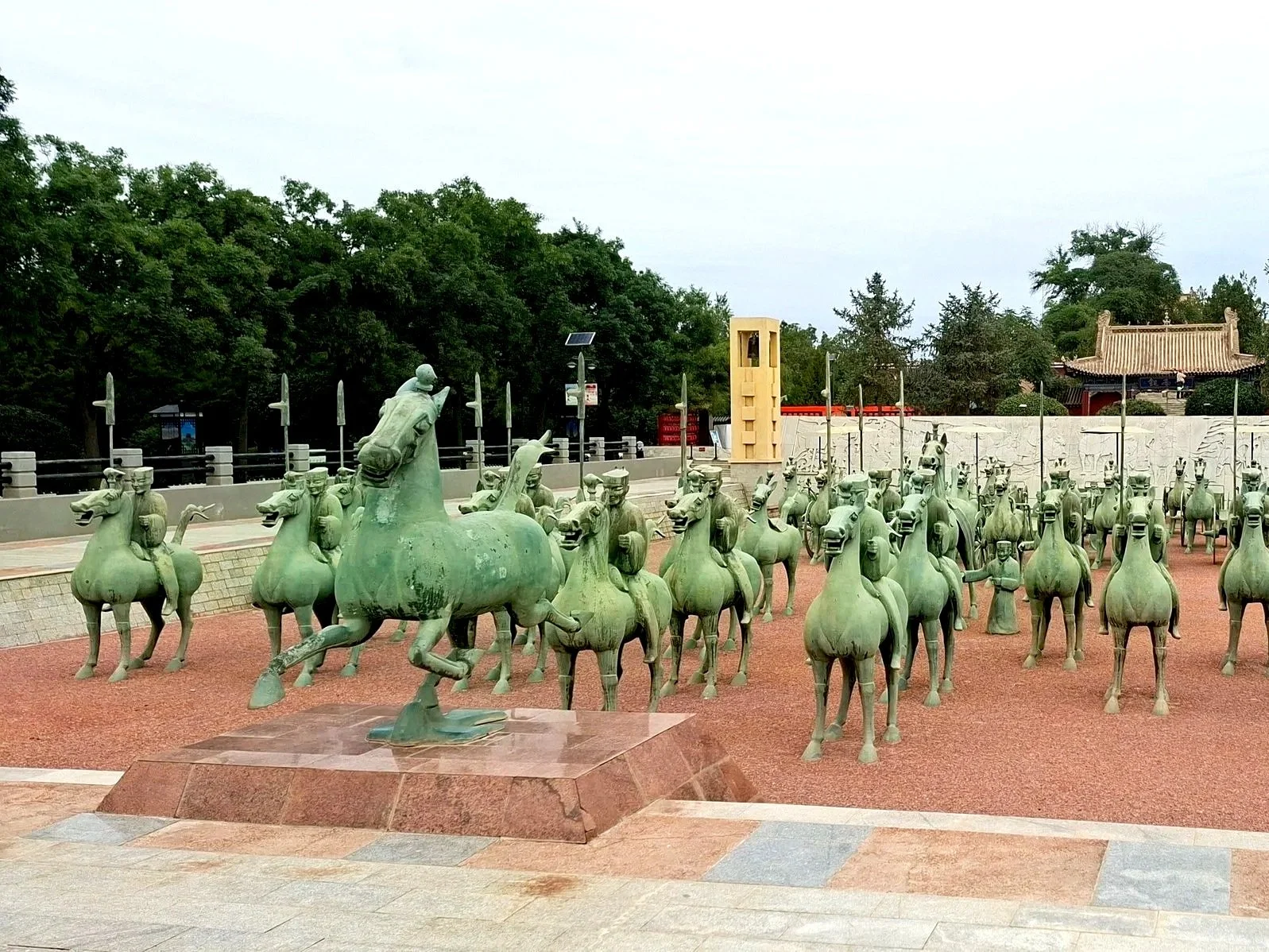
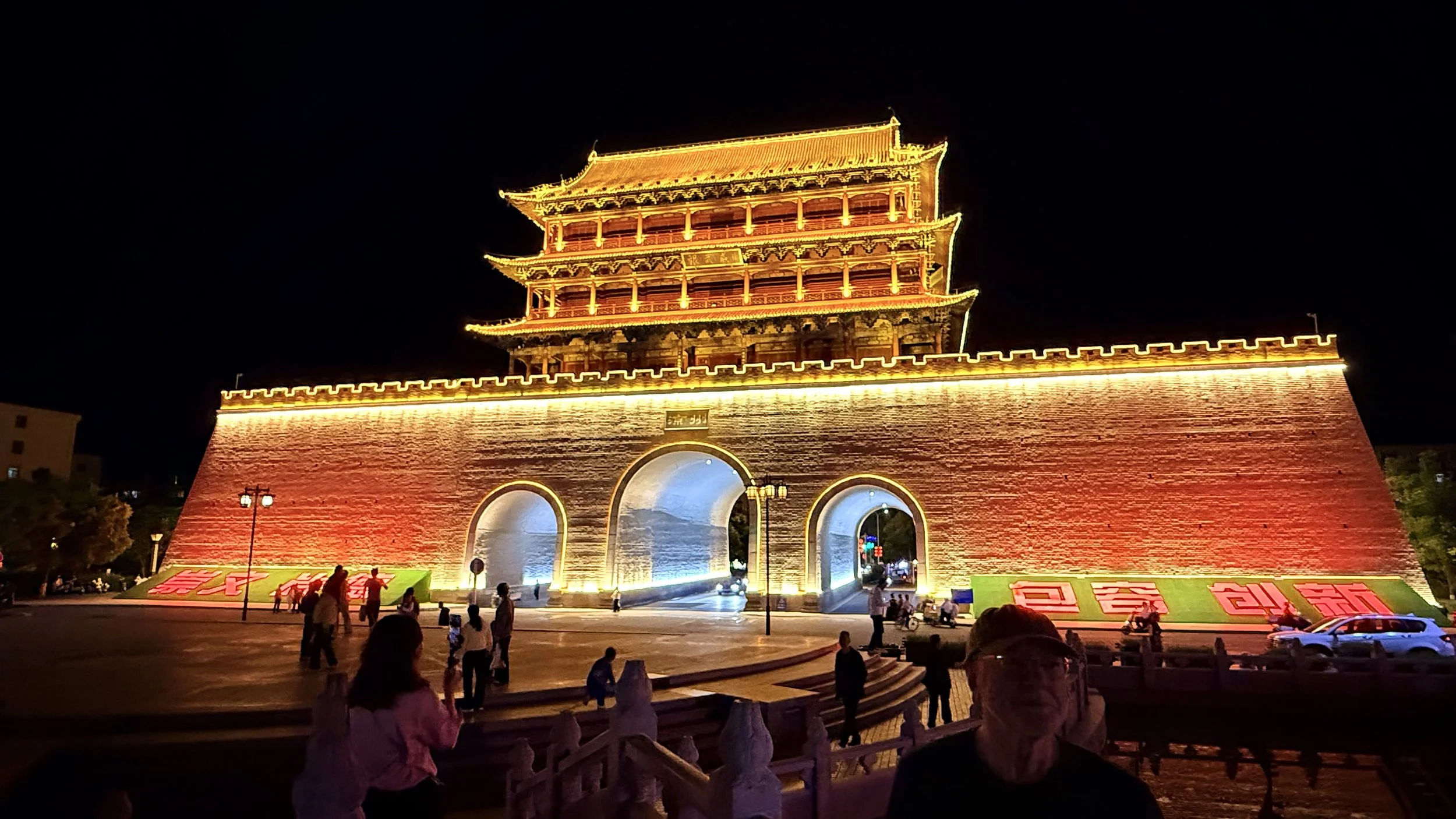
In Wuwei, Buddhist grottoes and temples brought the region’s religious history close. At Tiantishan, a monumental Buddha and traces of surviving colour held our attention; at Kumarajiva Temple, we heard about the work of translating Buddhist texts. A visit to the museum and the bronze horse associated with Leitai added another perspective on the area’s past. Local dishes kept arriving at shared tables, and takeaway dumplings travelled with us on to the next stage.
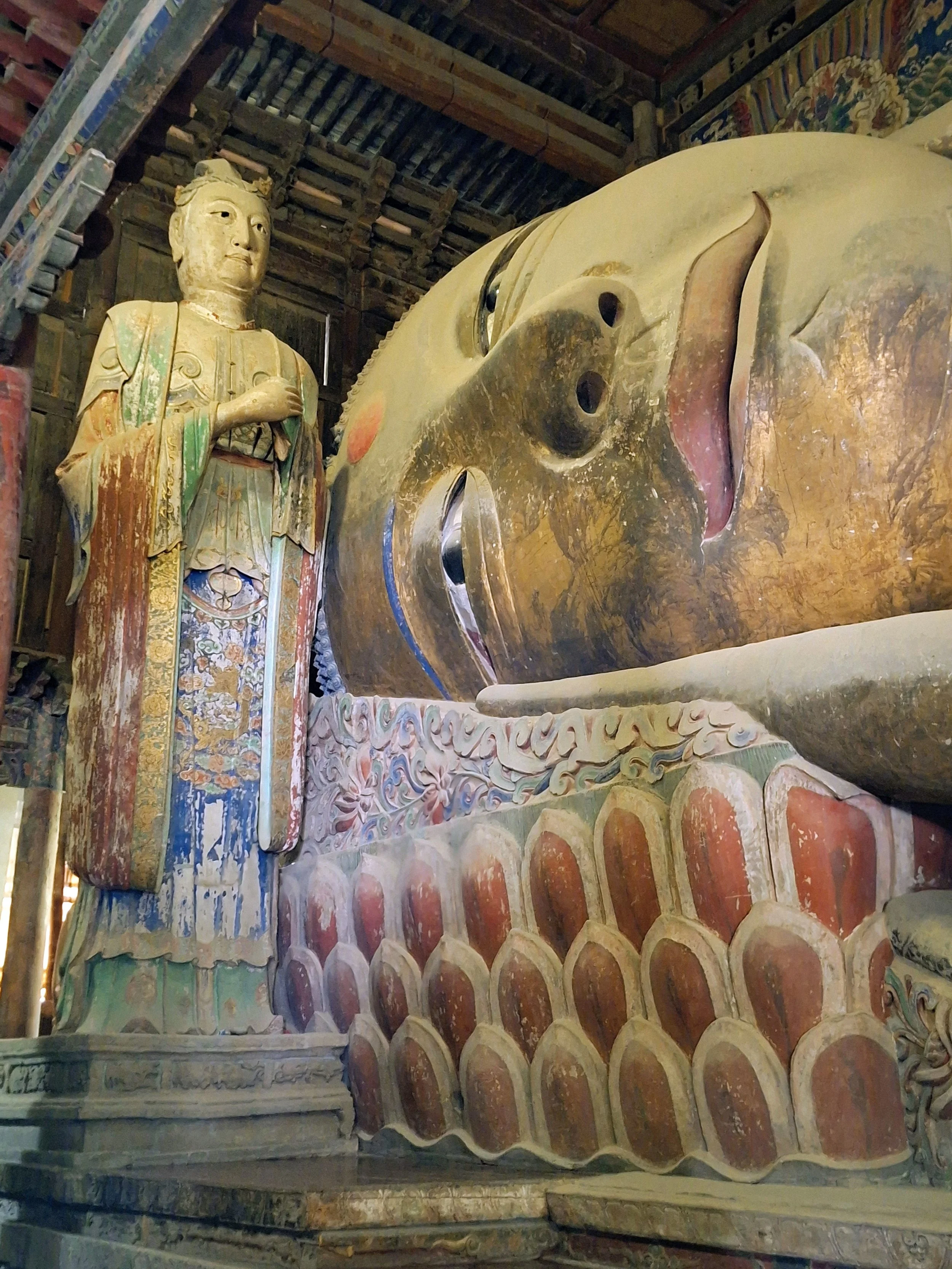
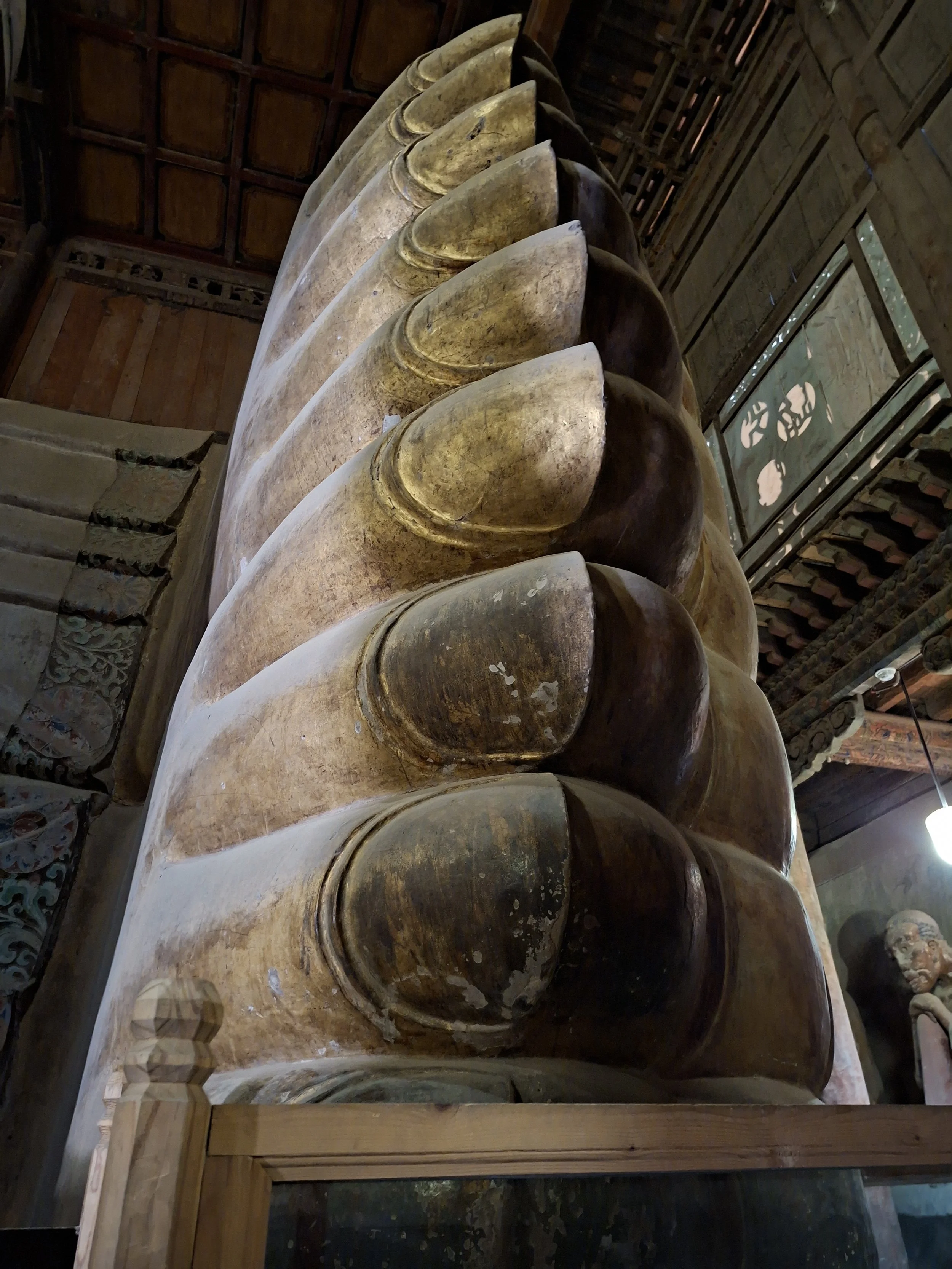
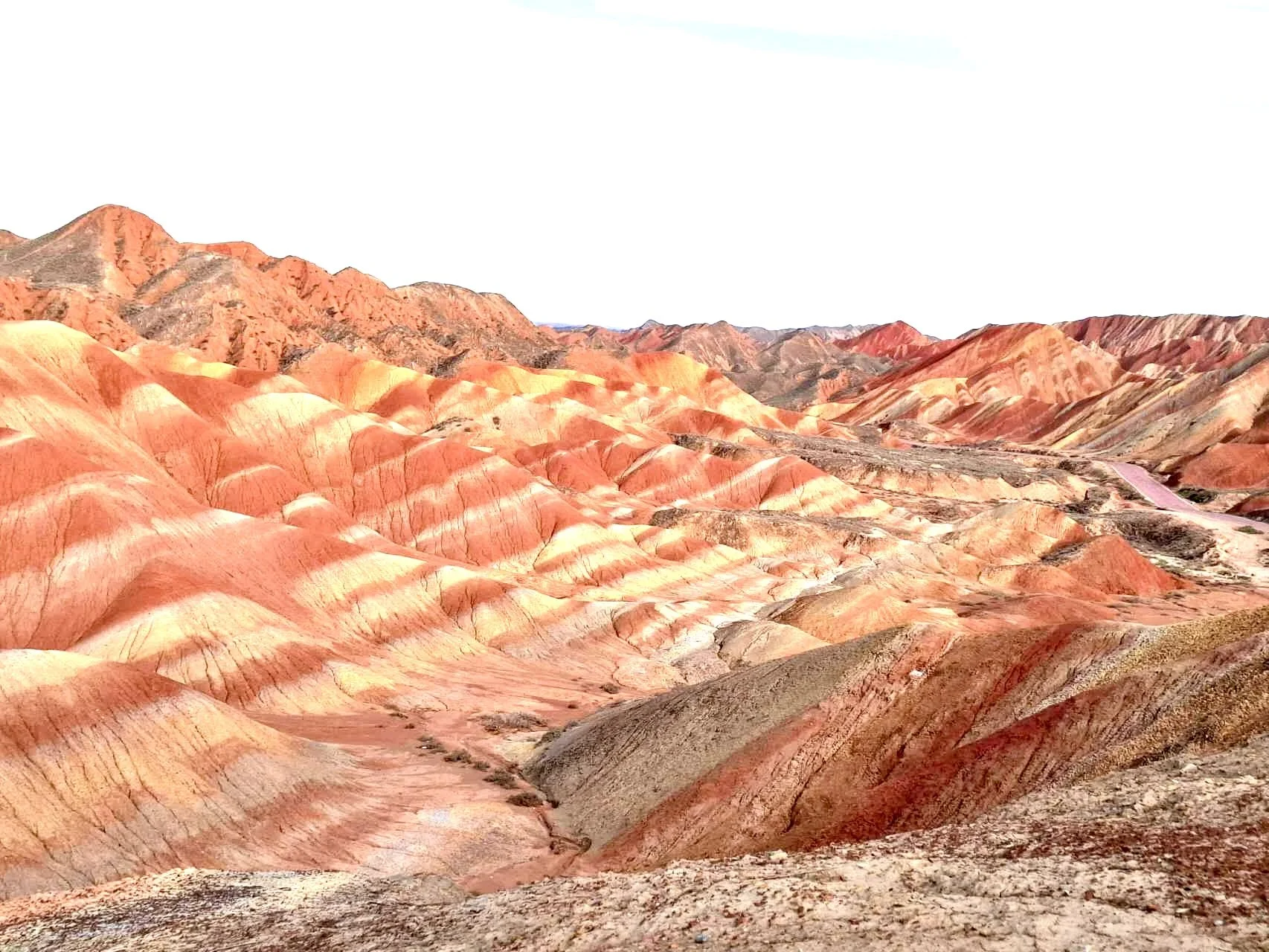
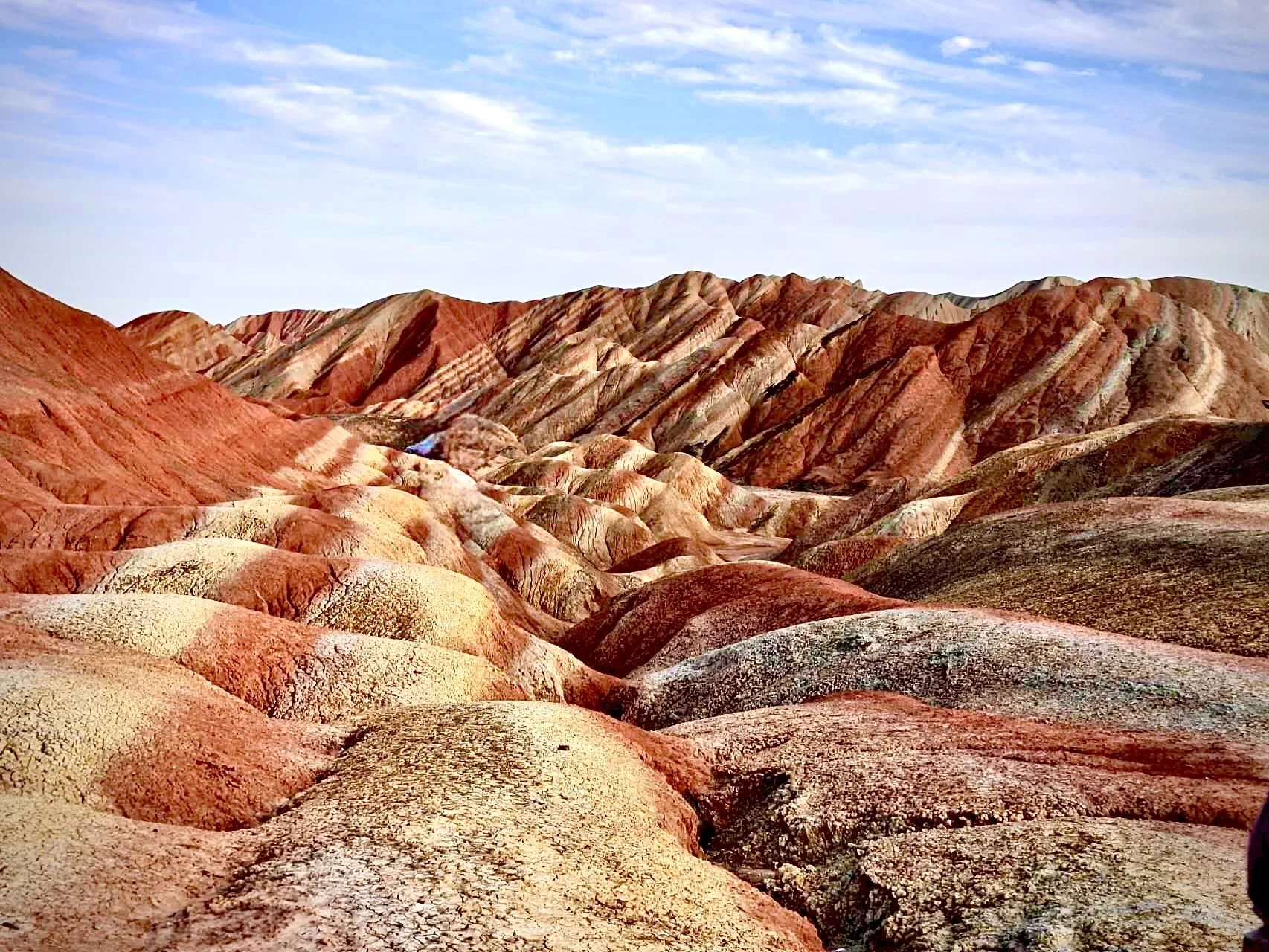
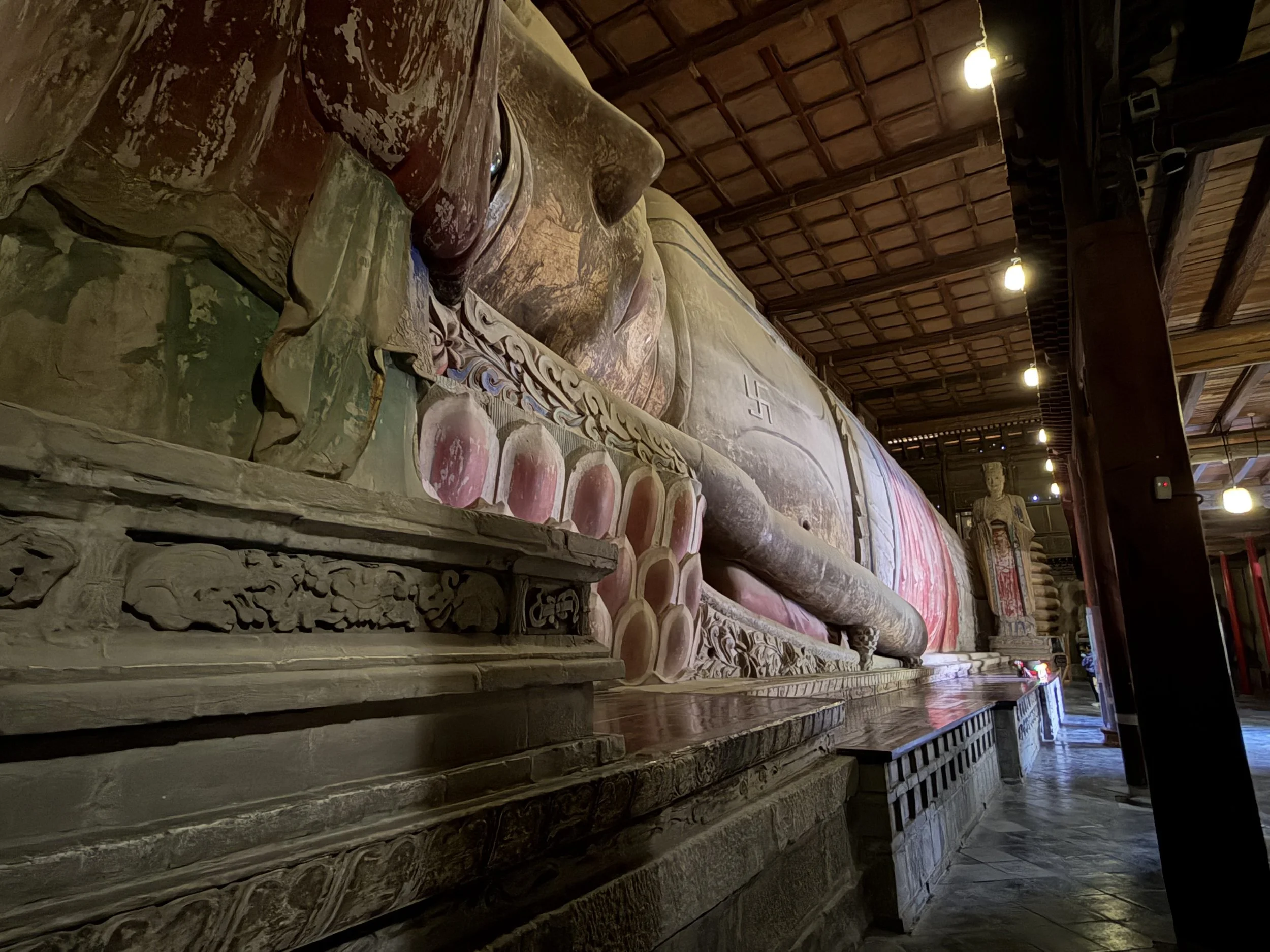
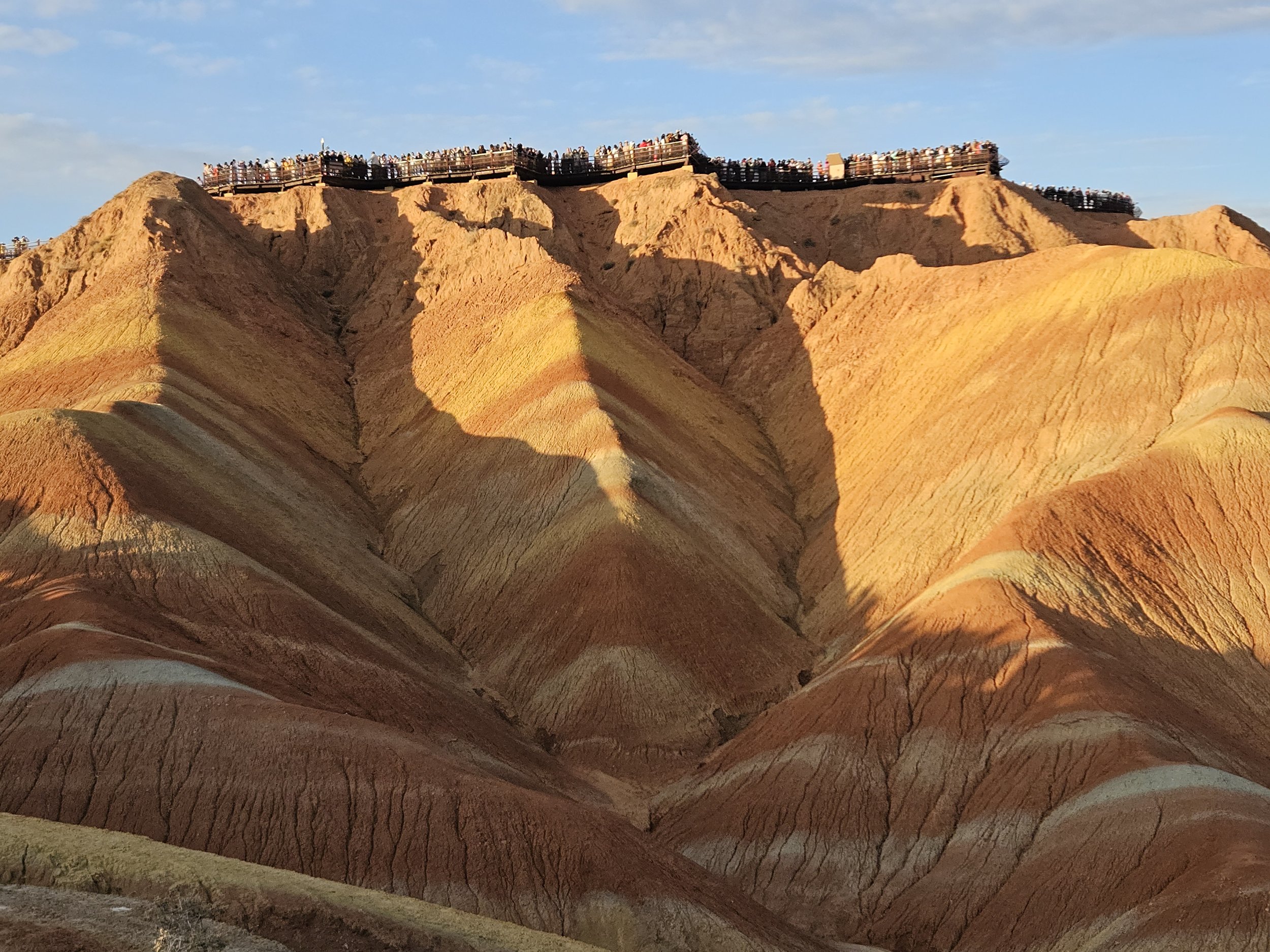
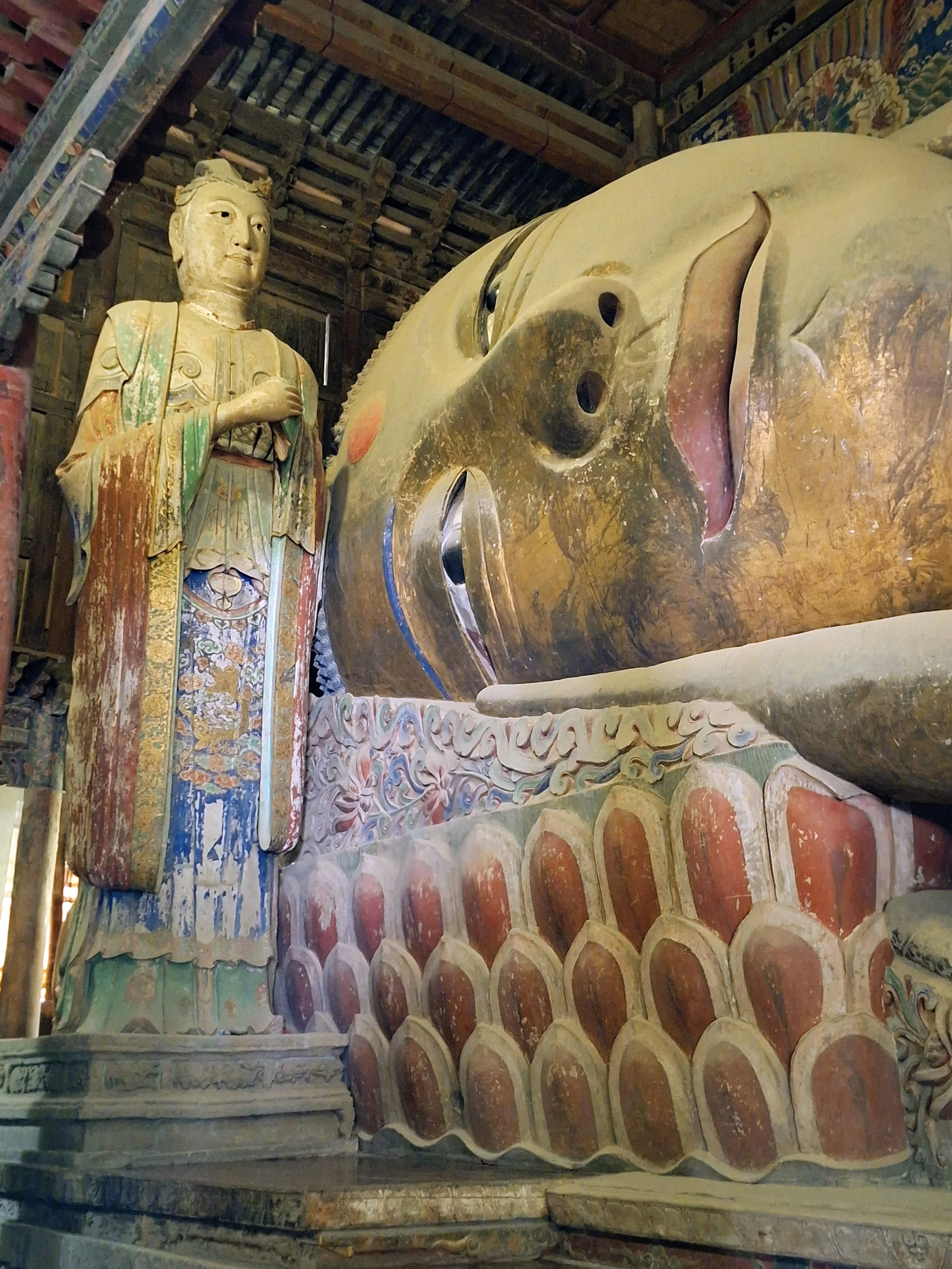
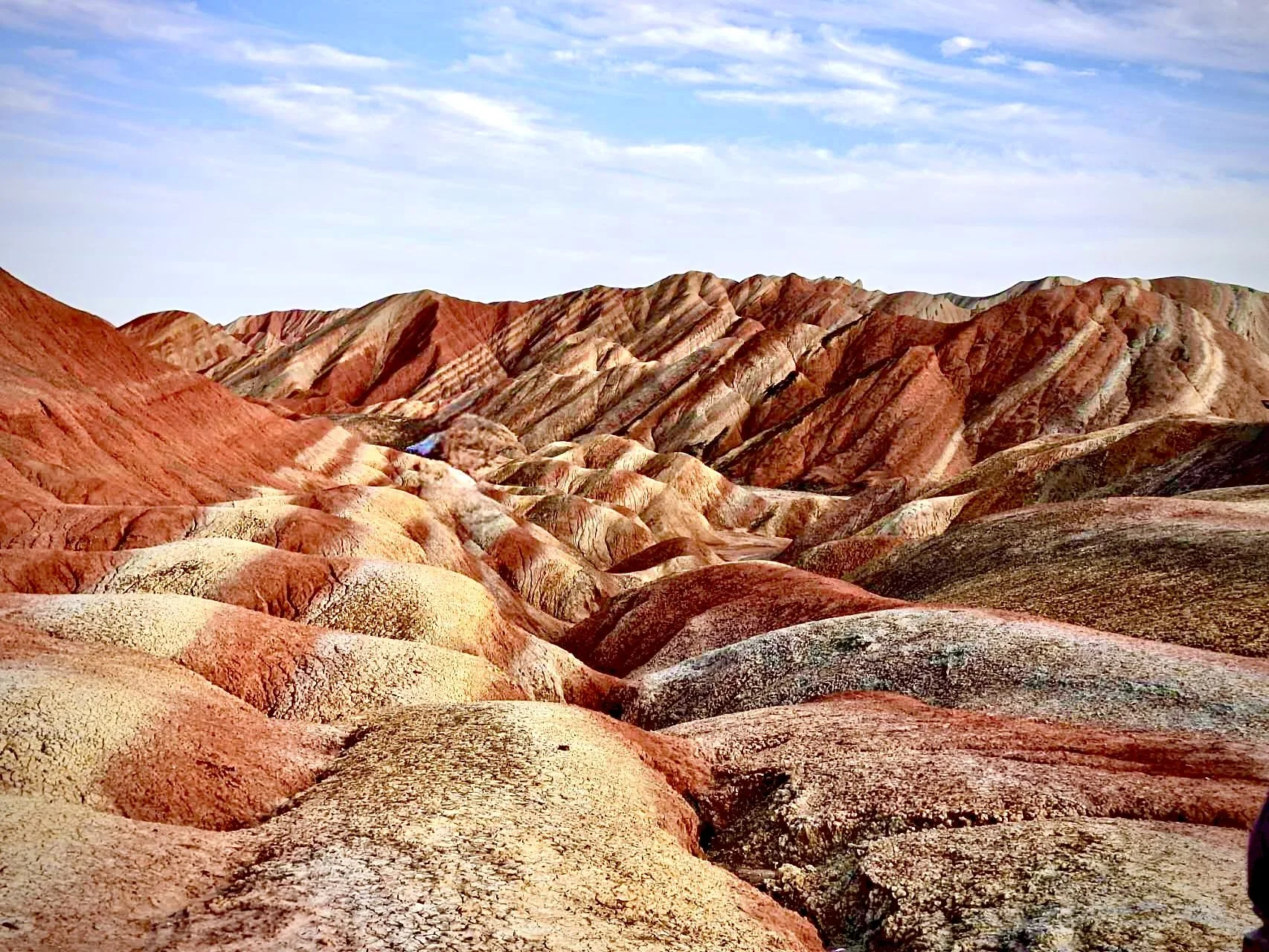
In Zhangye, the enormous reclining Buddha invited us to slow down and take in its scale. Later, at the Rainbow Mountains, recent rain had settled the dust. We stayed longer than planned, watching the bands of red, ochre and gold shift in the evening light. The shared photographs from that stop capture the wonder of seeing the hills together. After a full day, dinner and fresh local melons gave us time to relax and share the highlights.
Jiayuguan and the frontier
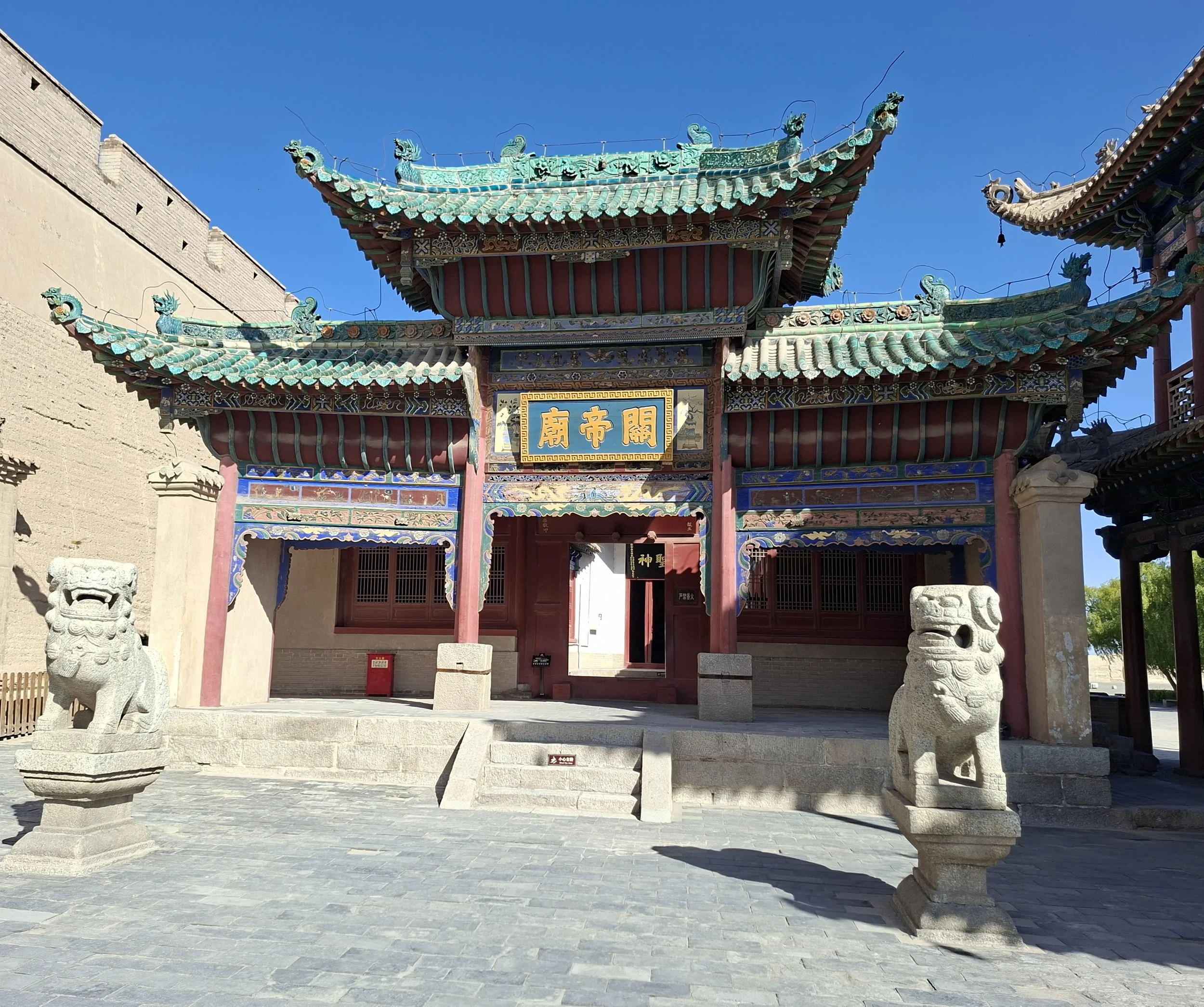
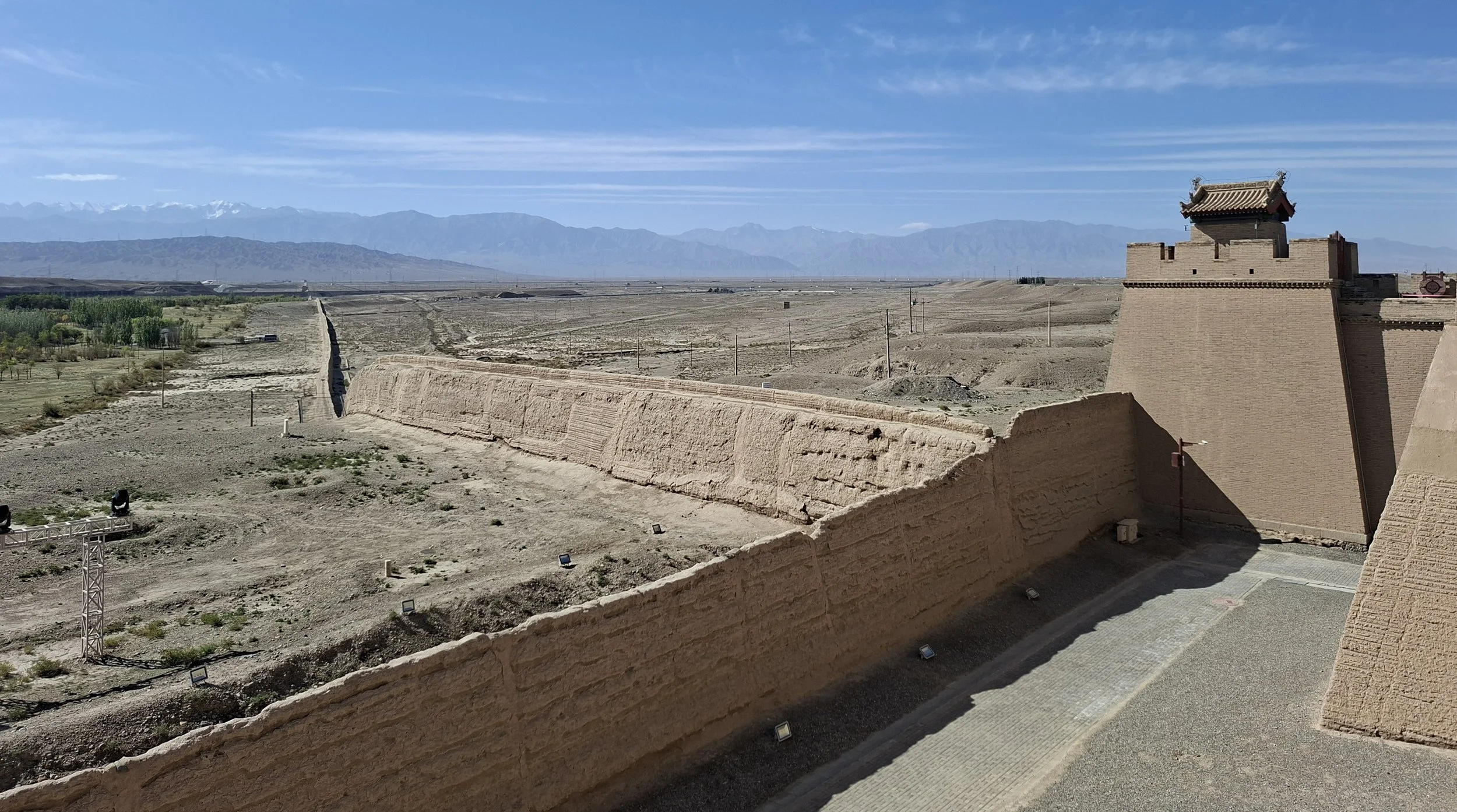
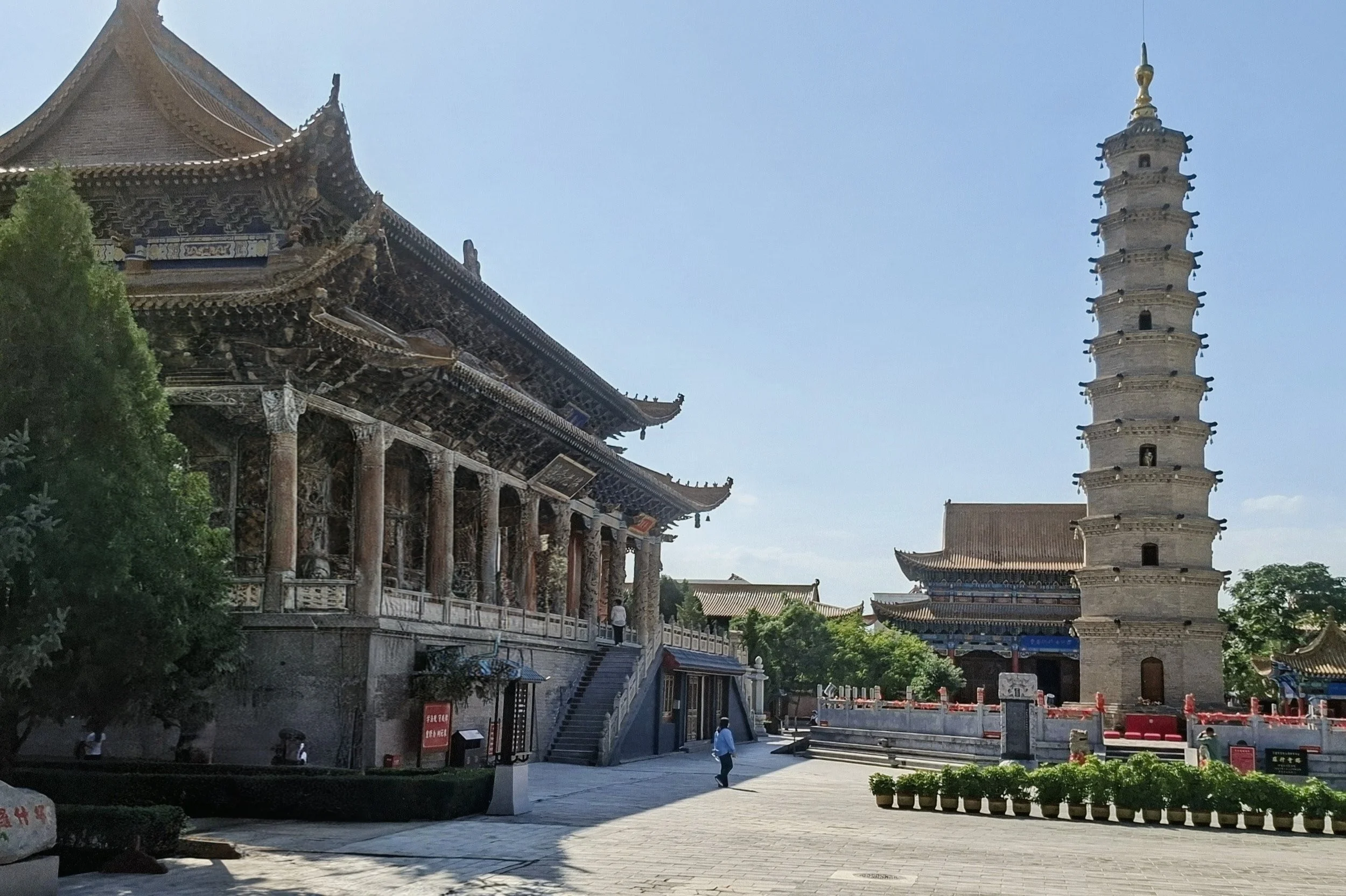
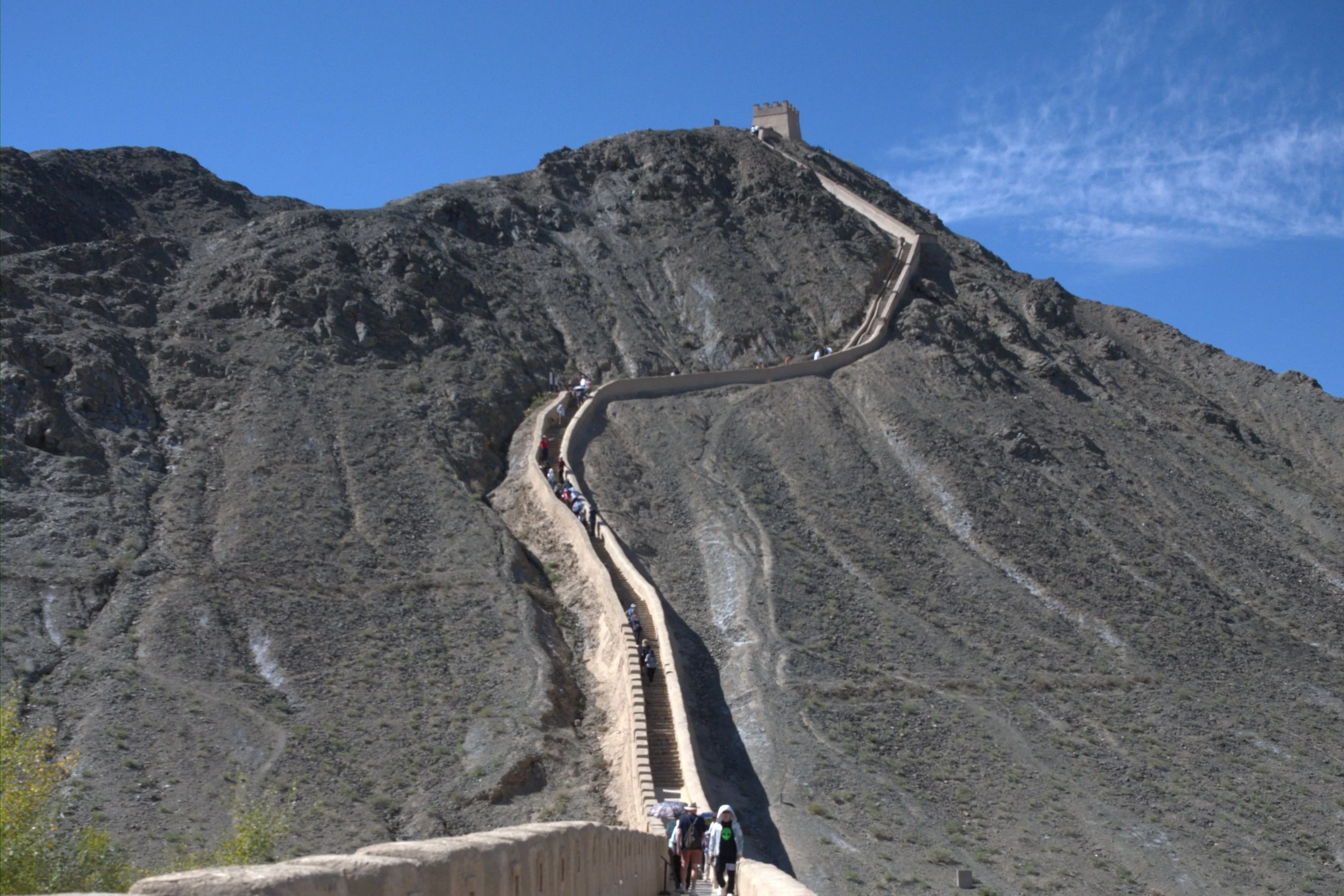
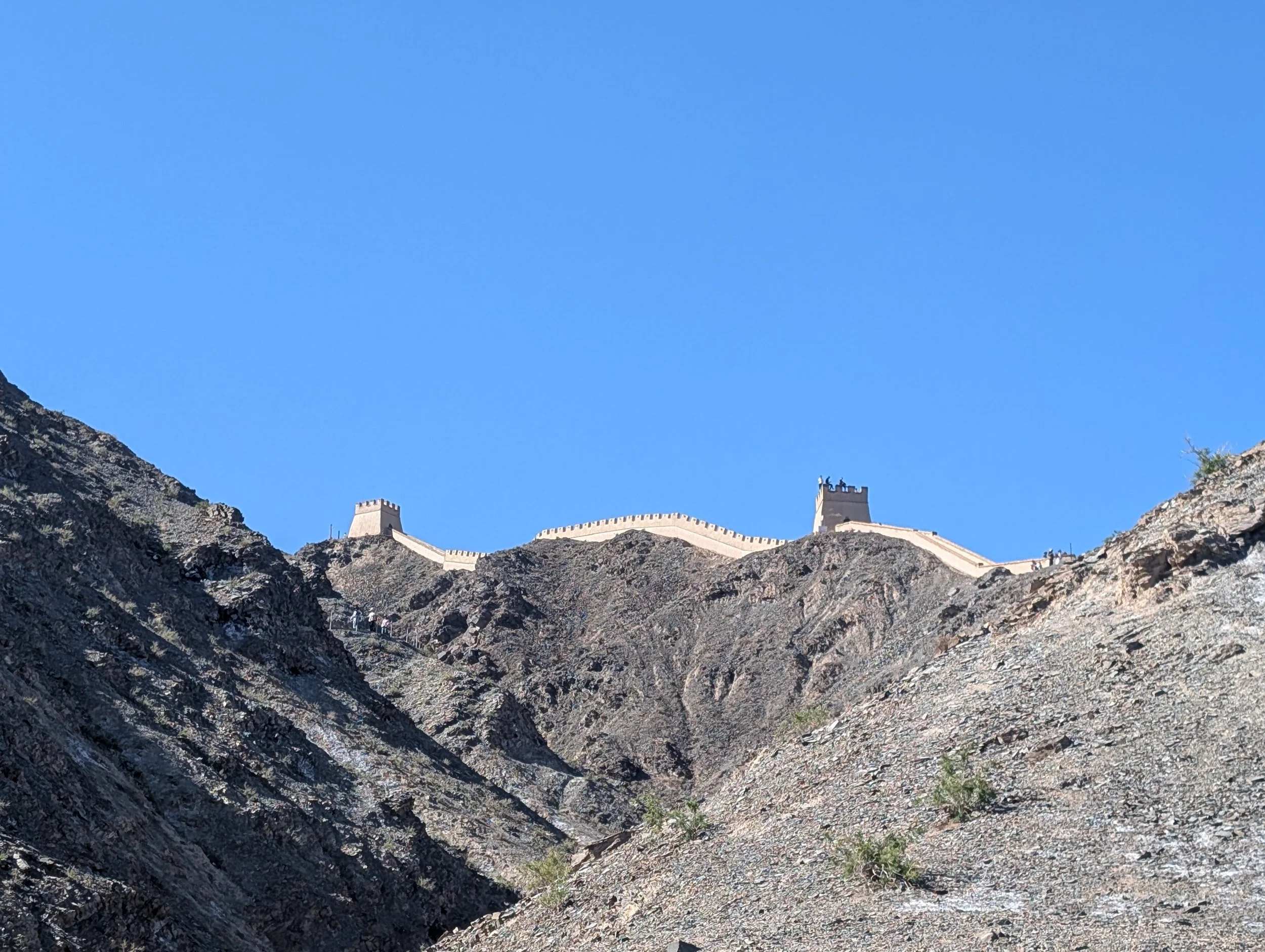
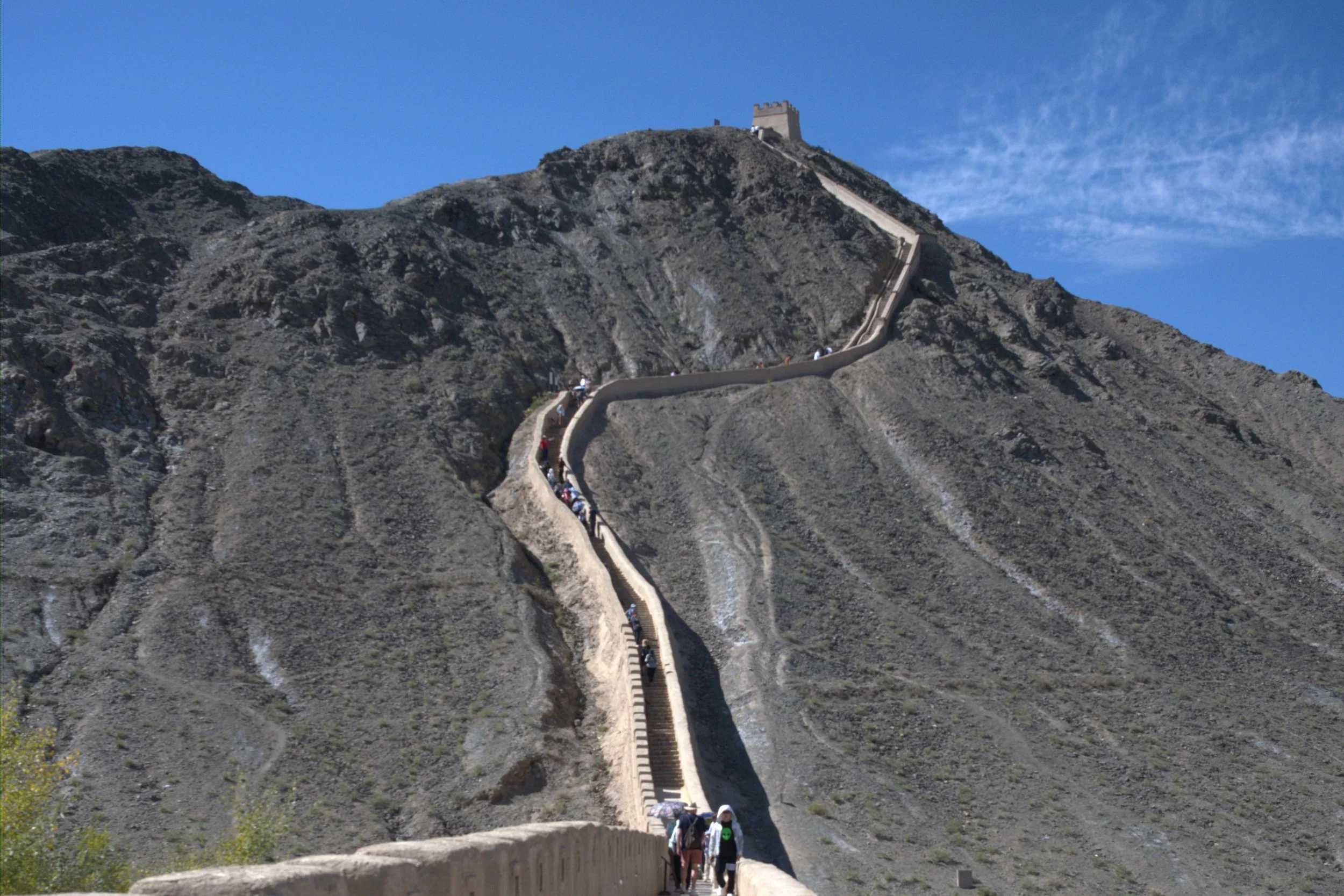
Jiayuguan brought a new challenge. The Hanging Great Wall climbed steeply along the ridge, and reaching the upper section felt like a real achievement. Congratulations and completion medals made it a moment for the whole group to celebrate. At the First Pier, we looked down from the glass platform into the Taolai River gorge, feeling the height beneath us and the scale of the frontier landscape. The fortress, with its layered gates and precious water supply, helped us imagine what it took to sustain life along this remote corridor.
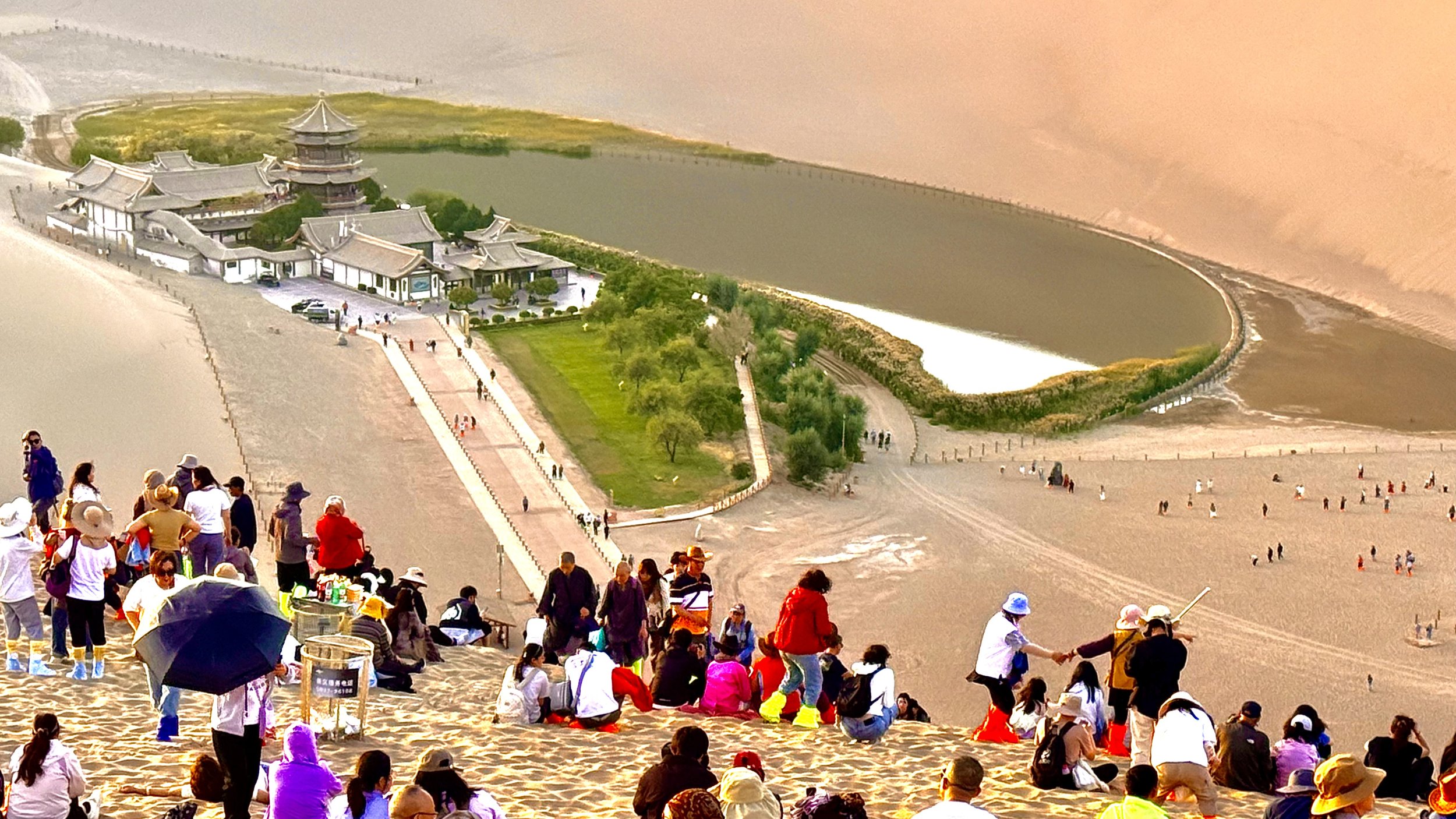
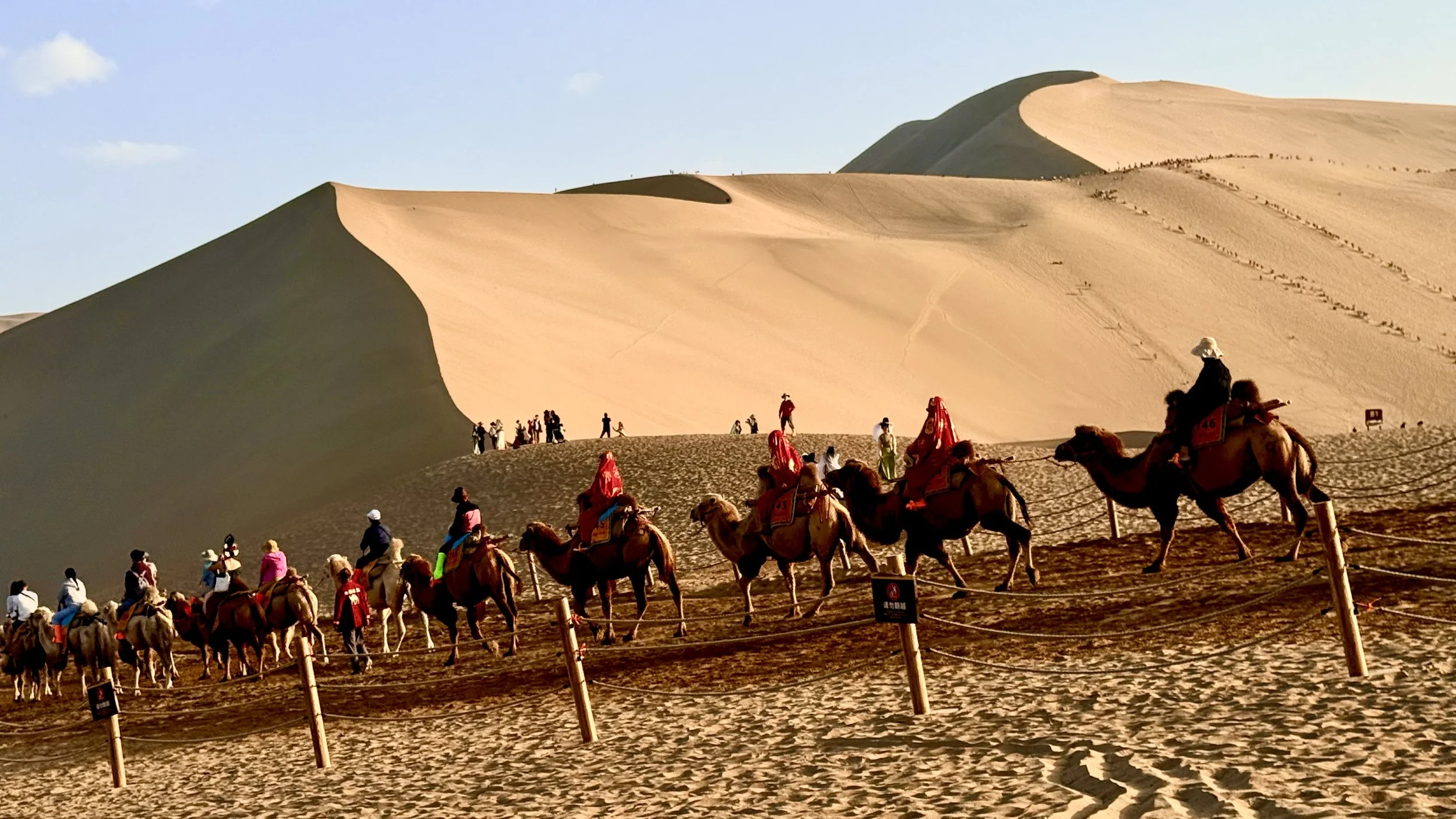
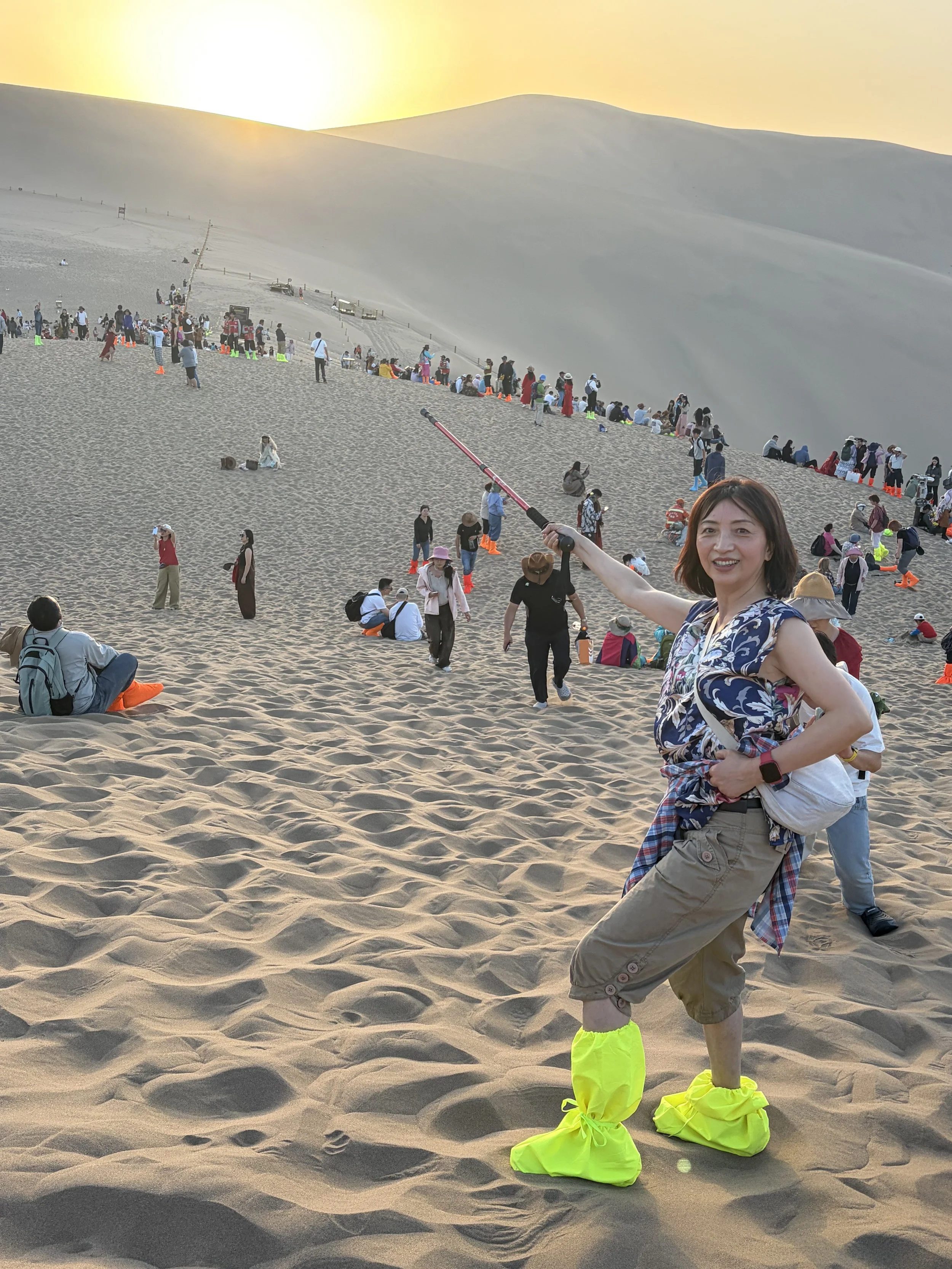
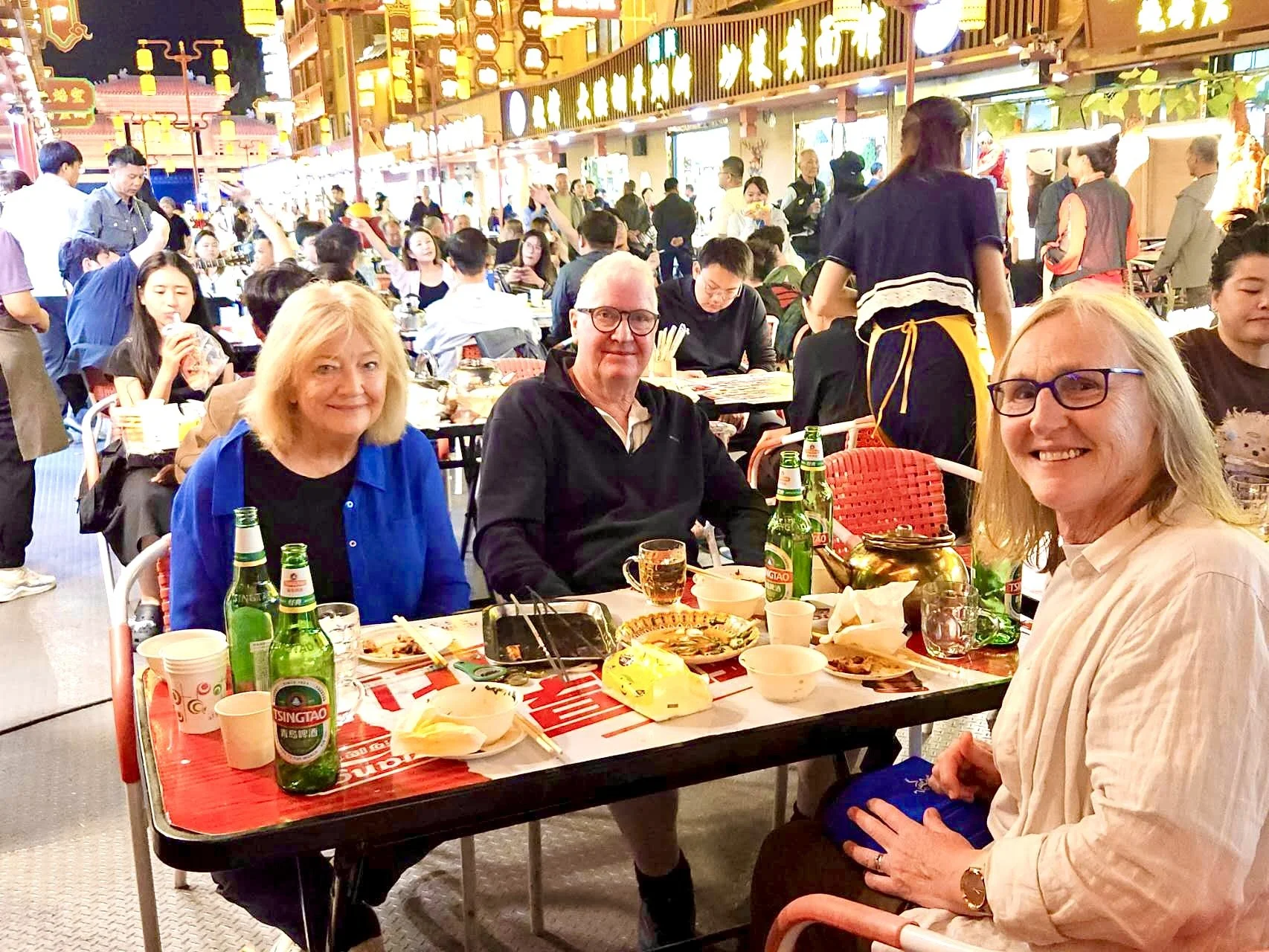
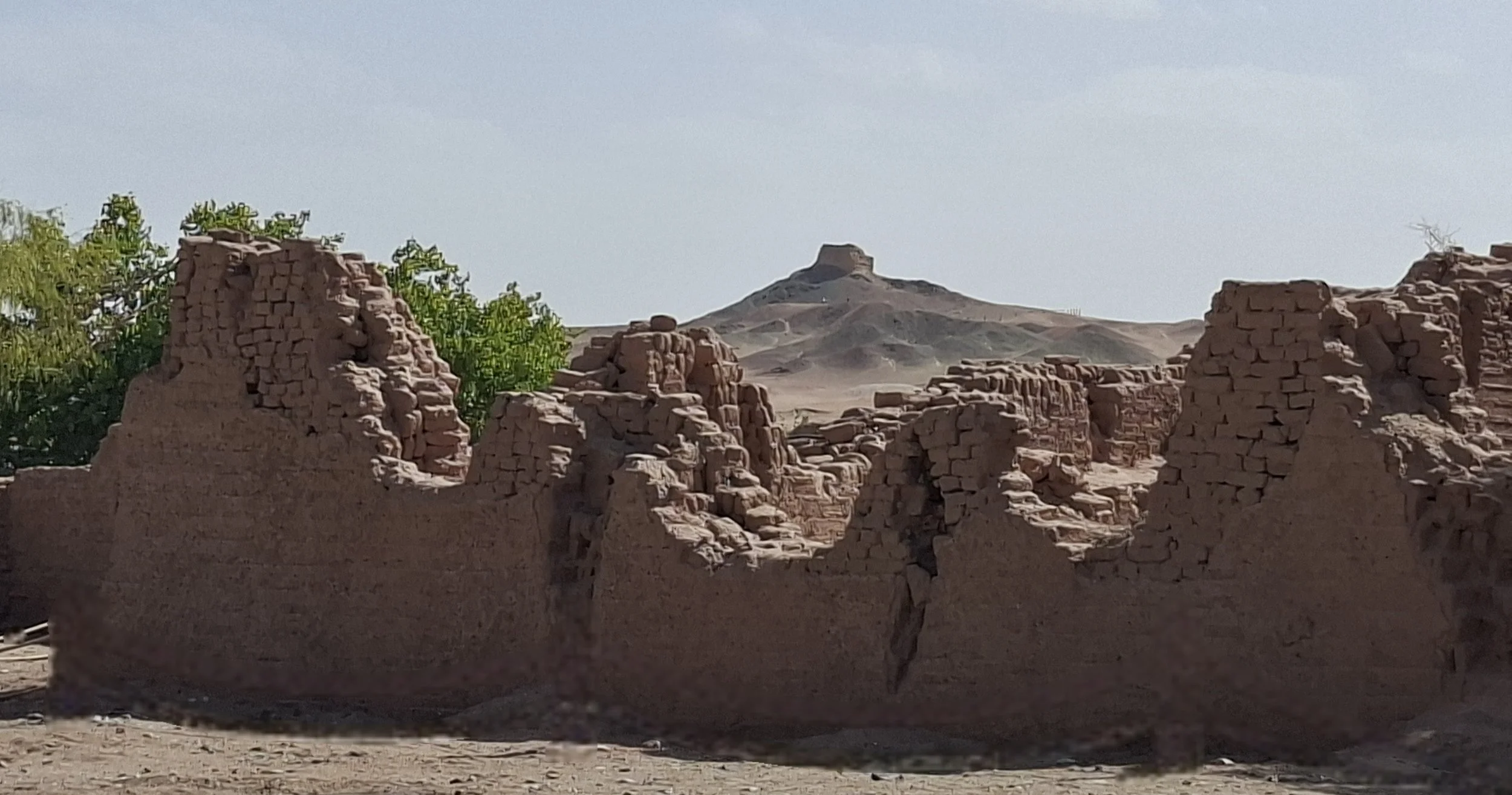
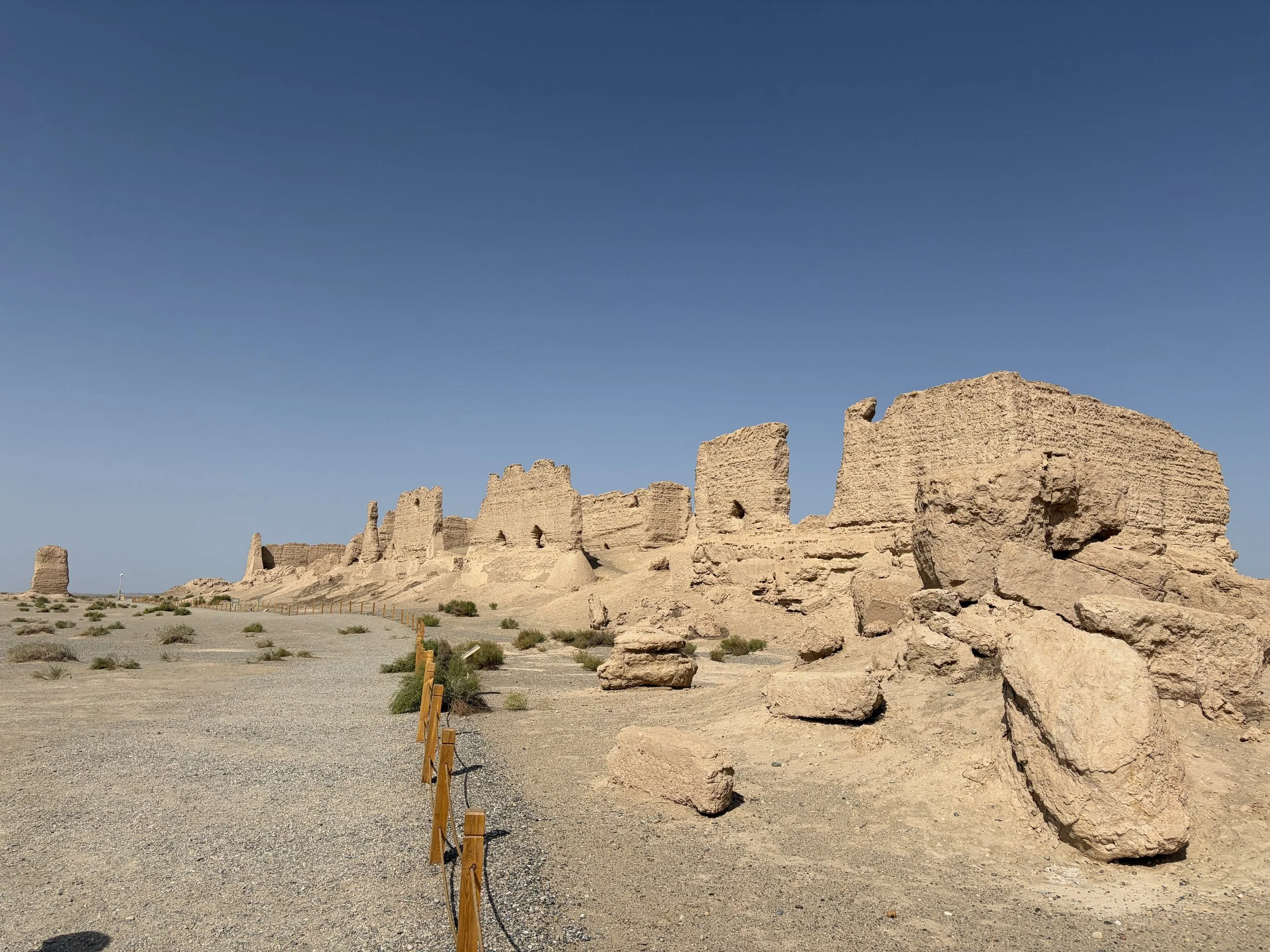
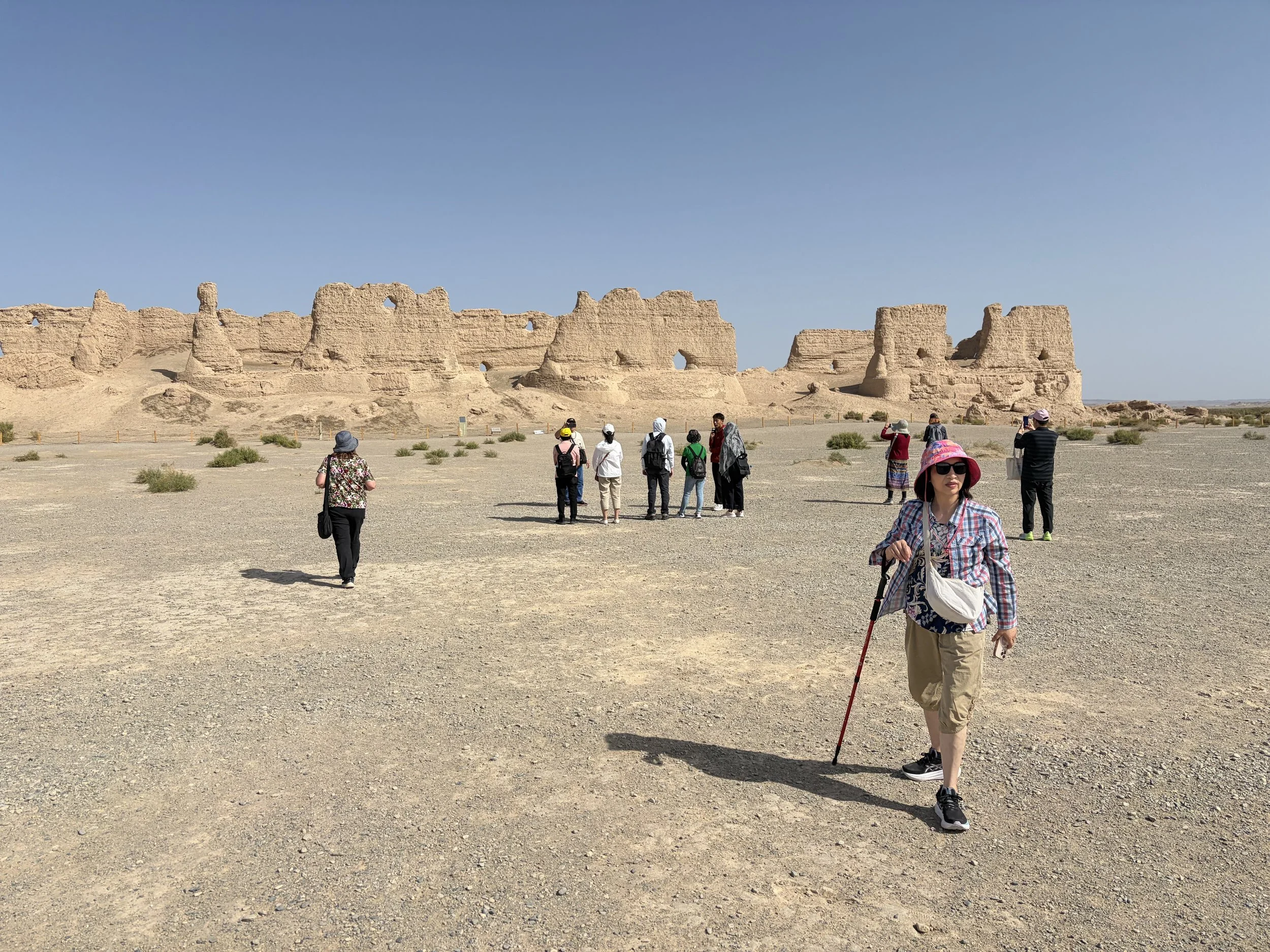
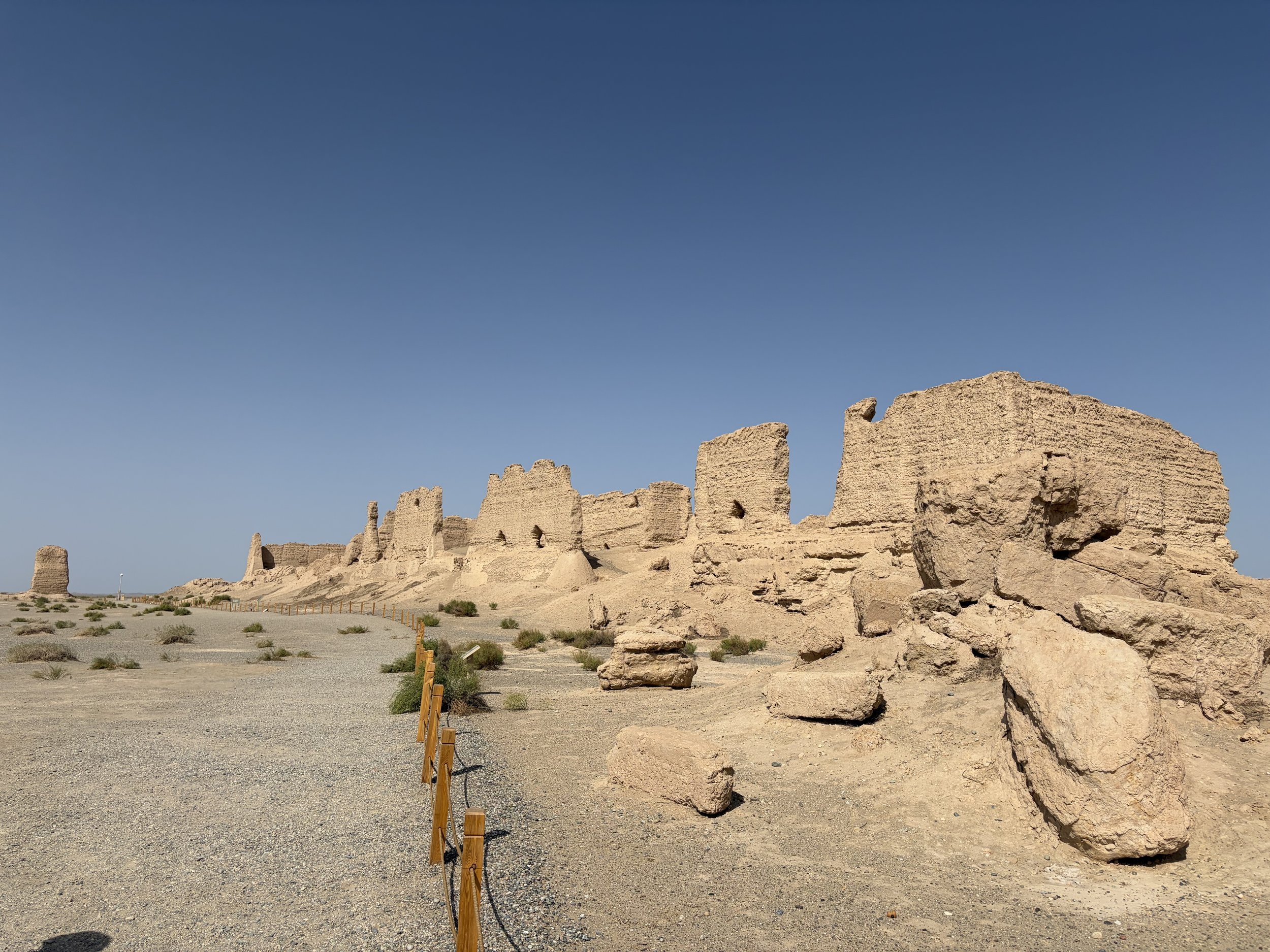
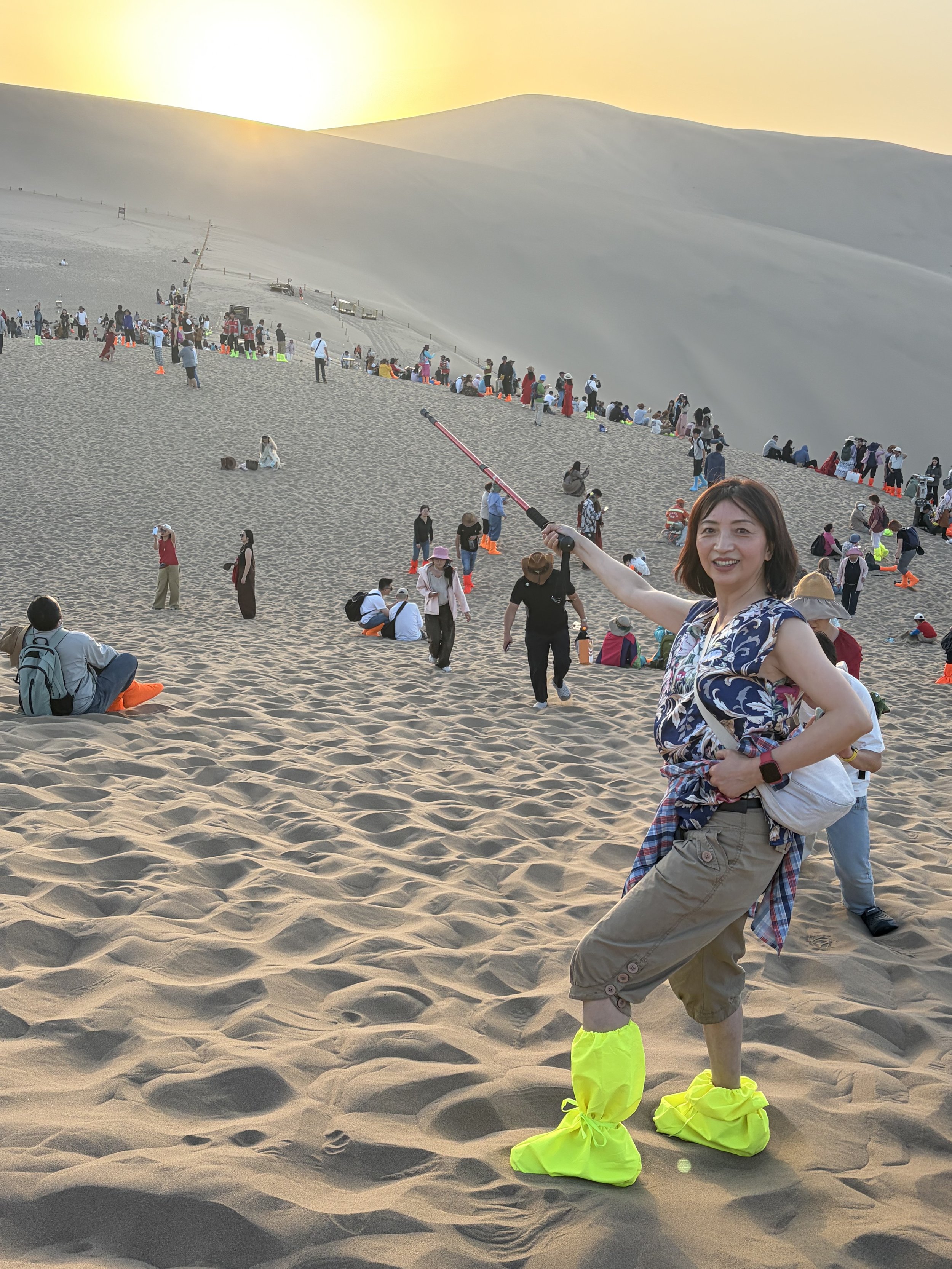
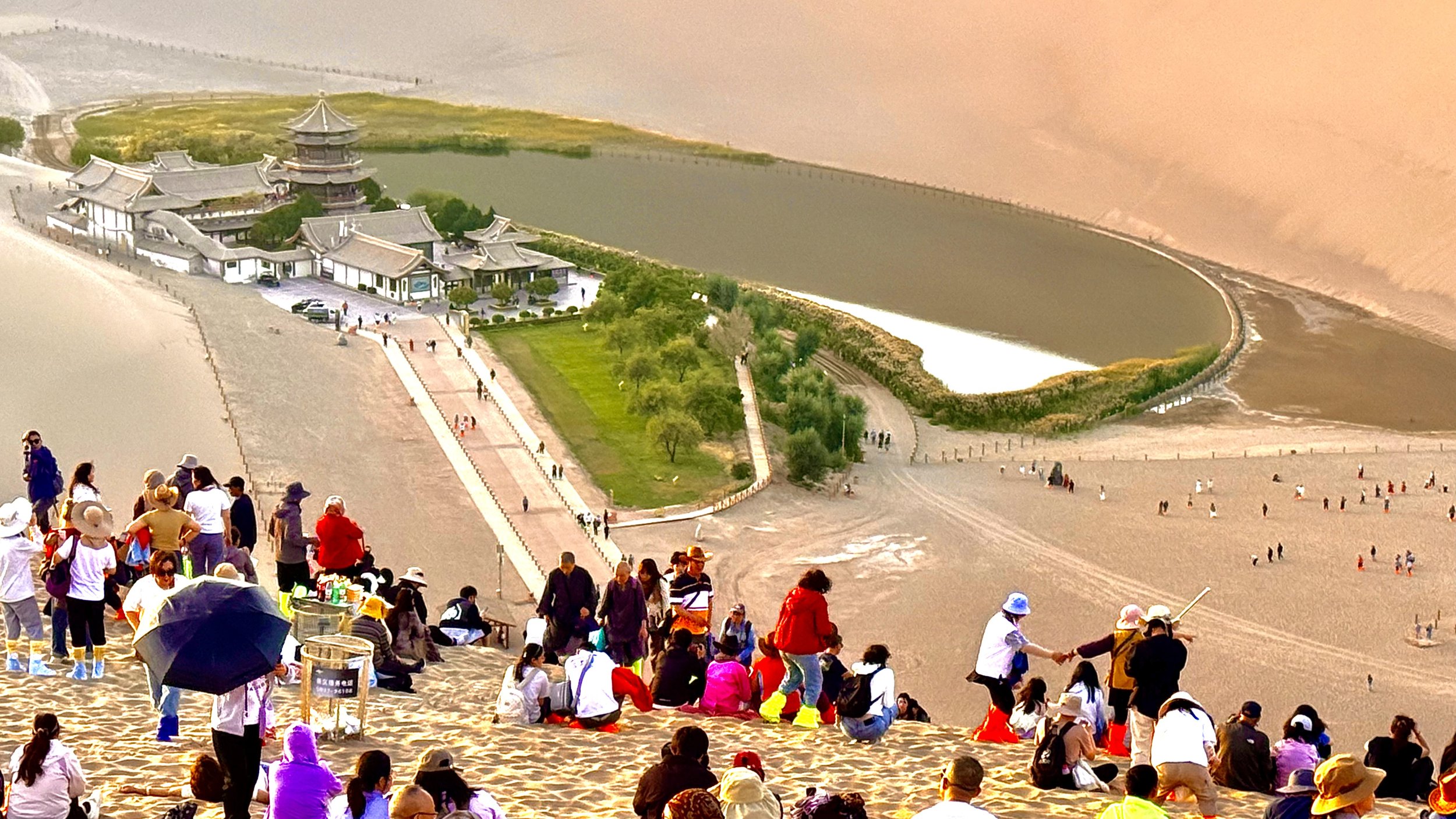
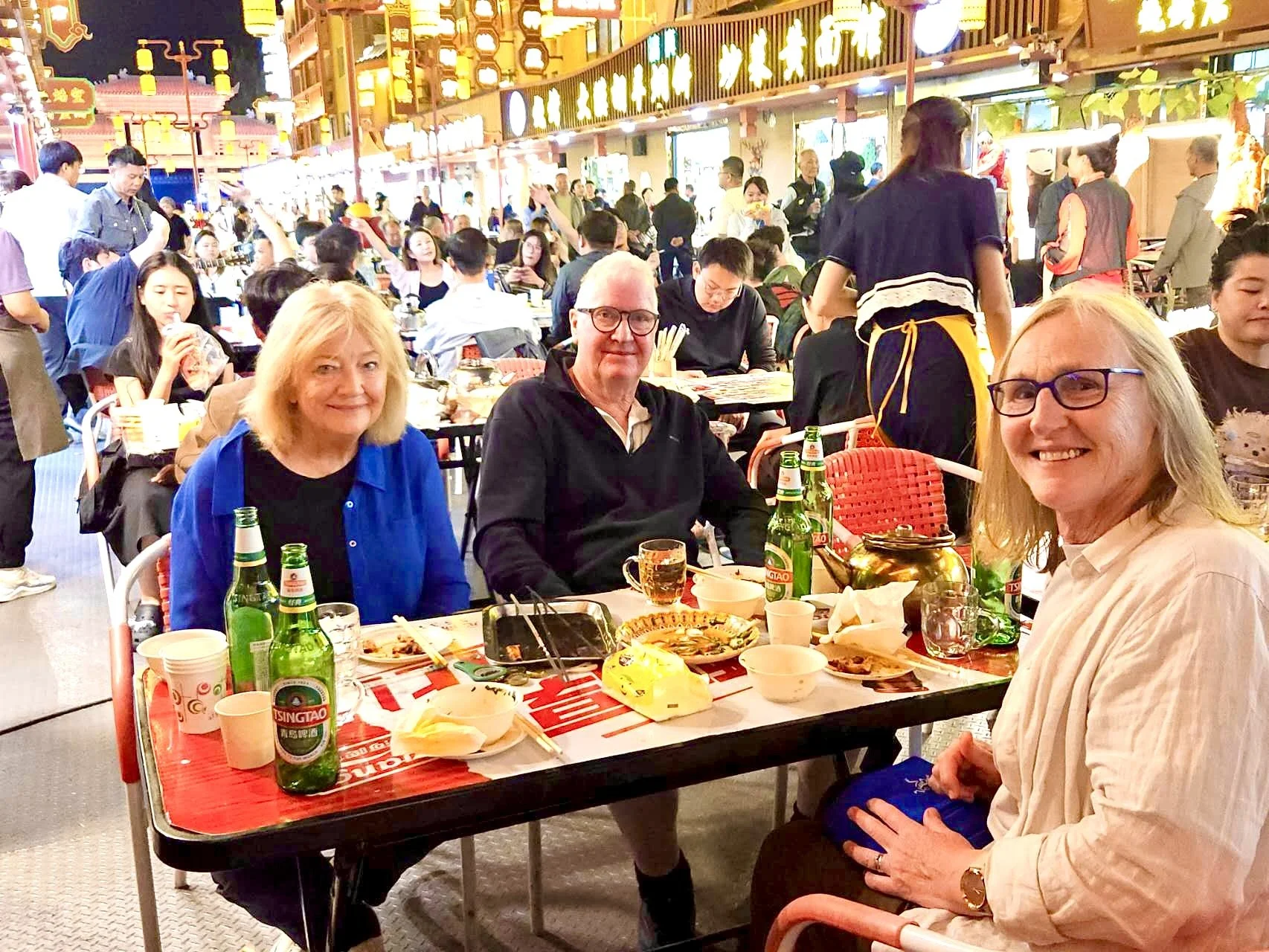
Farther west, the long, exposed day among Han frontier walls, old passes and granary ruins made the desert’s distances tangible. We carried water and snacks as we crossed this stark landscape, where the remains of the frontier seemed small against the open horizon. Later, at Mingsha Mountain Singing Sand Dunes, bright shoe covers, lines of camels and Lily’s playful tai chi poses brought laughter to the afternoon. The climb up the dunes took effort, but from above we could look down on Crescent Moon Lake and out across the sand as sunset softened the landscape. Cumin-spiced skewers, local specialities and Shazhou wheat beer made a welcome end to a demanding day.
Dunhuang and the Mogao Grottoes
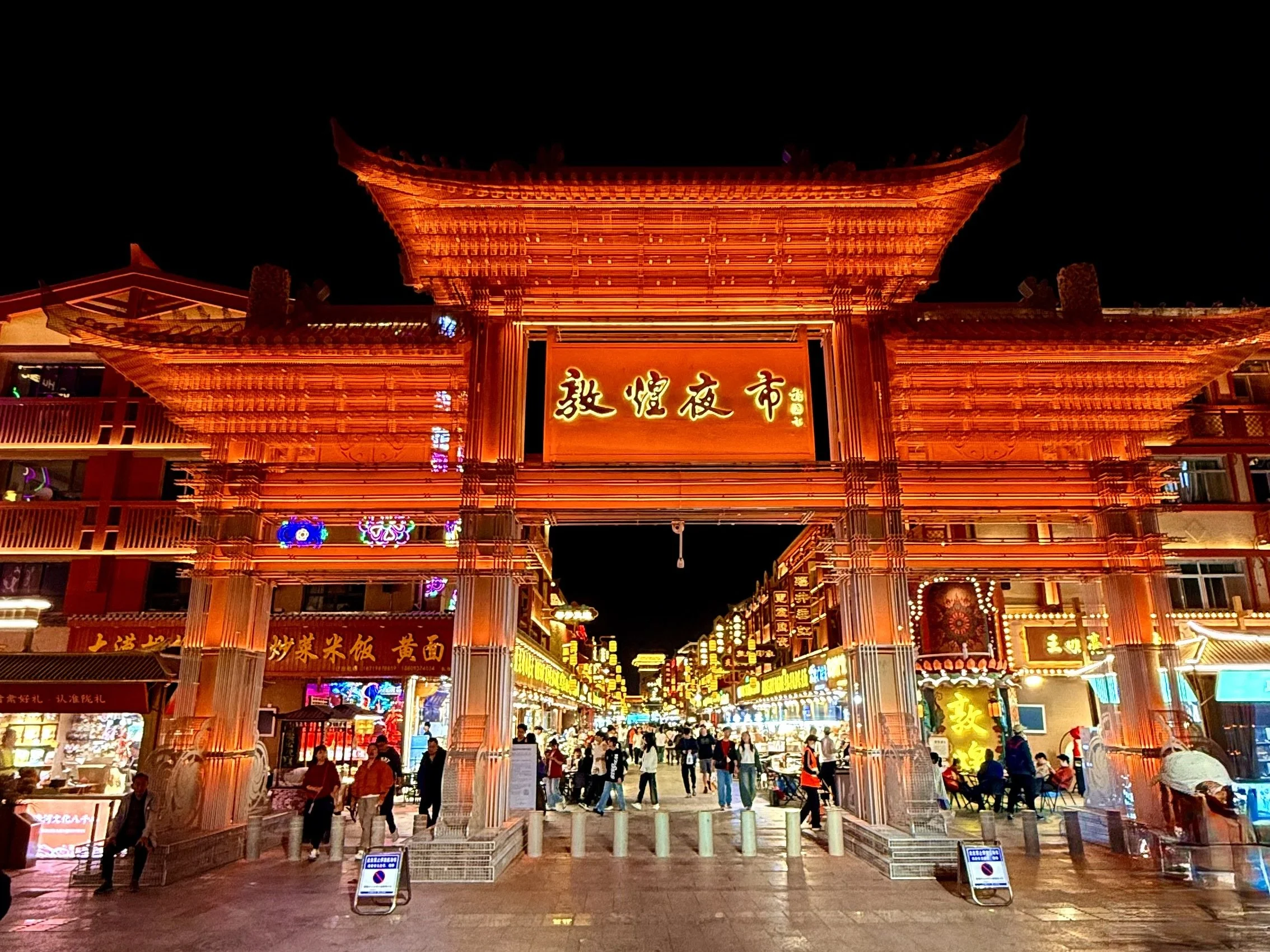
Dunhuang was one of the most special places we visited in China. This small desert city sits in the middle of an oasis, a green refuge surrounded by the Gobi. From the end of the main street, we could look straight towards the dunes—a remarkable sight that made the desert feel close, even within the city. Dunhuang’s clean streets and relaxed, welcoming atmosphere were a lovely surprise after the remoteness of the surrounding landscape.
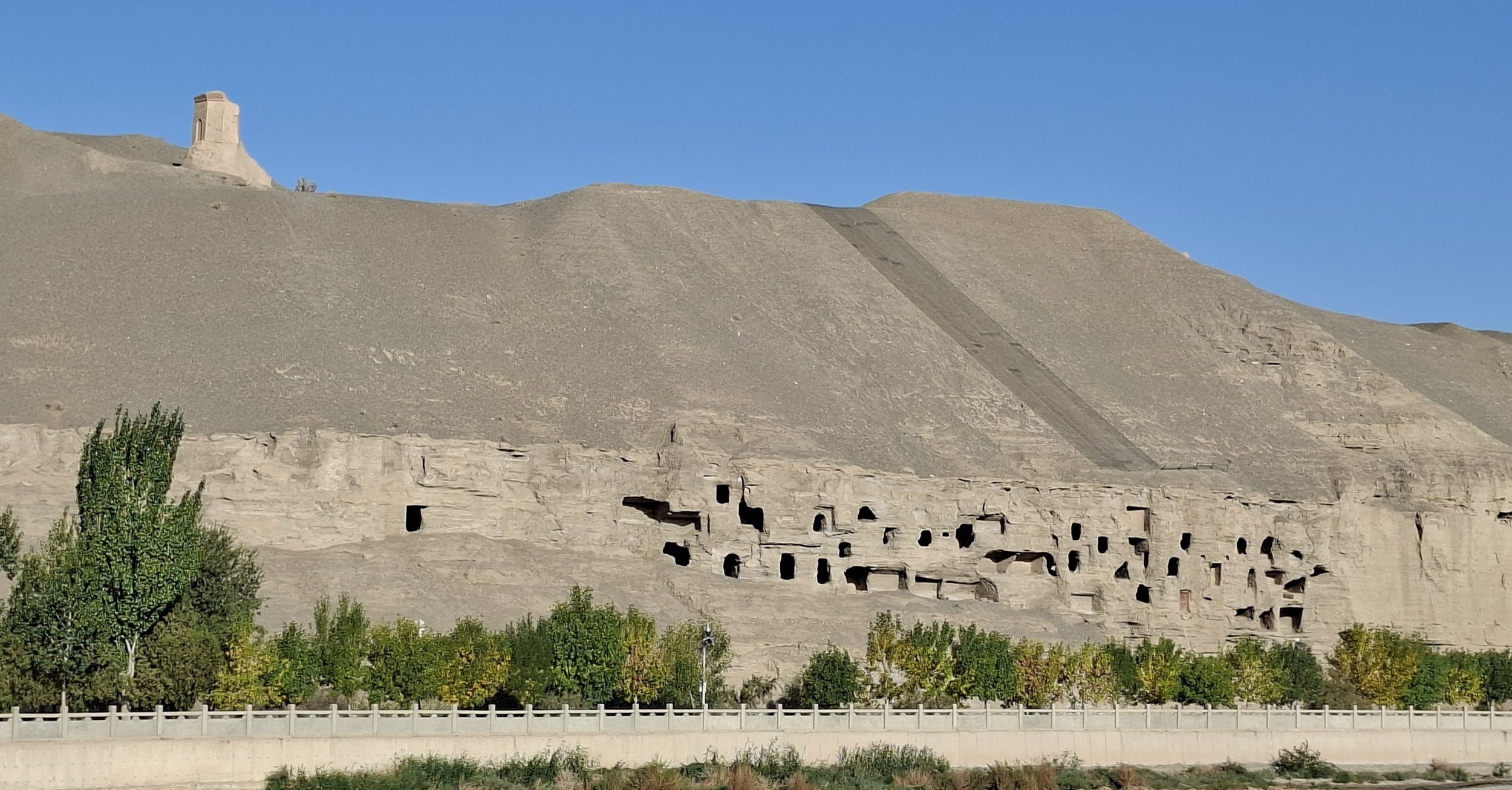
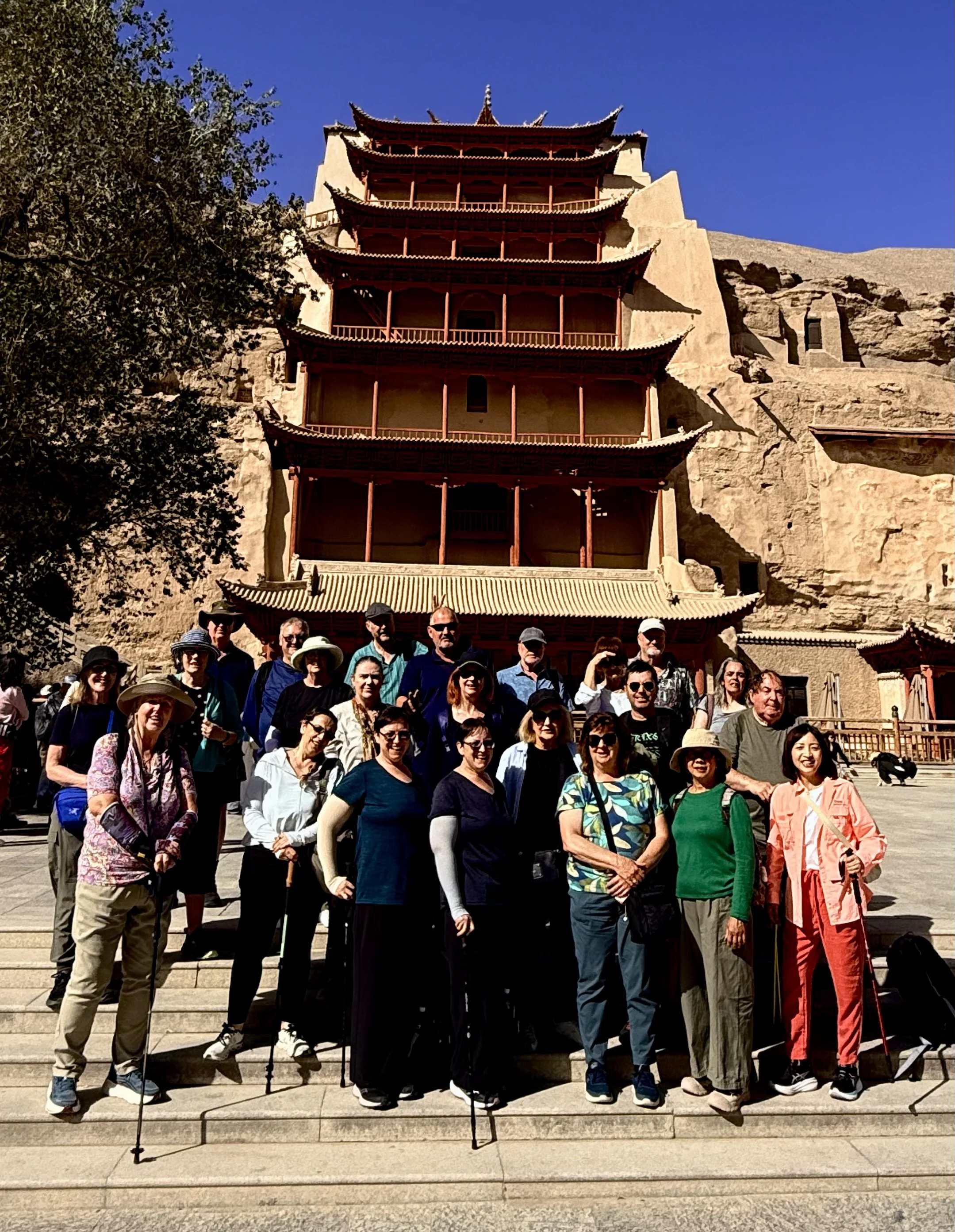
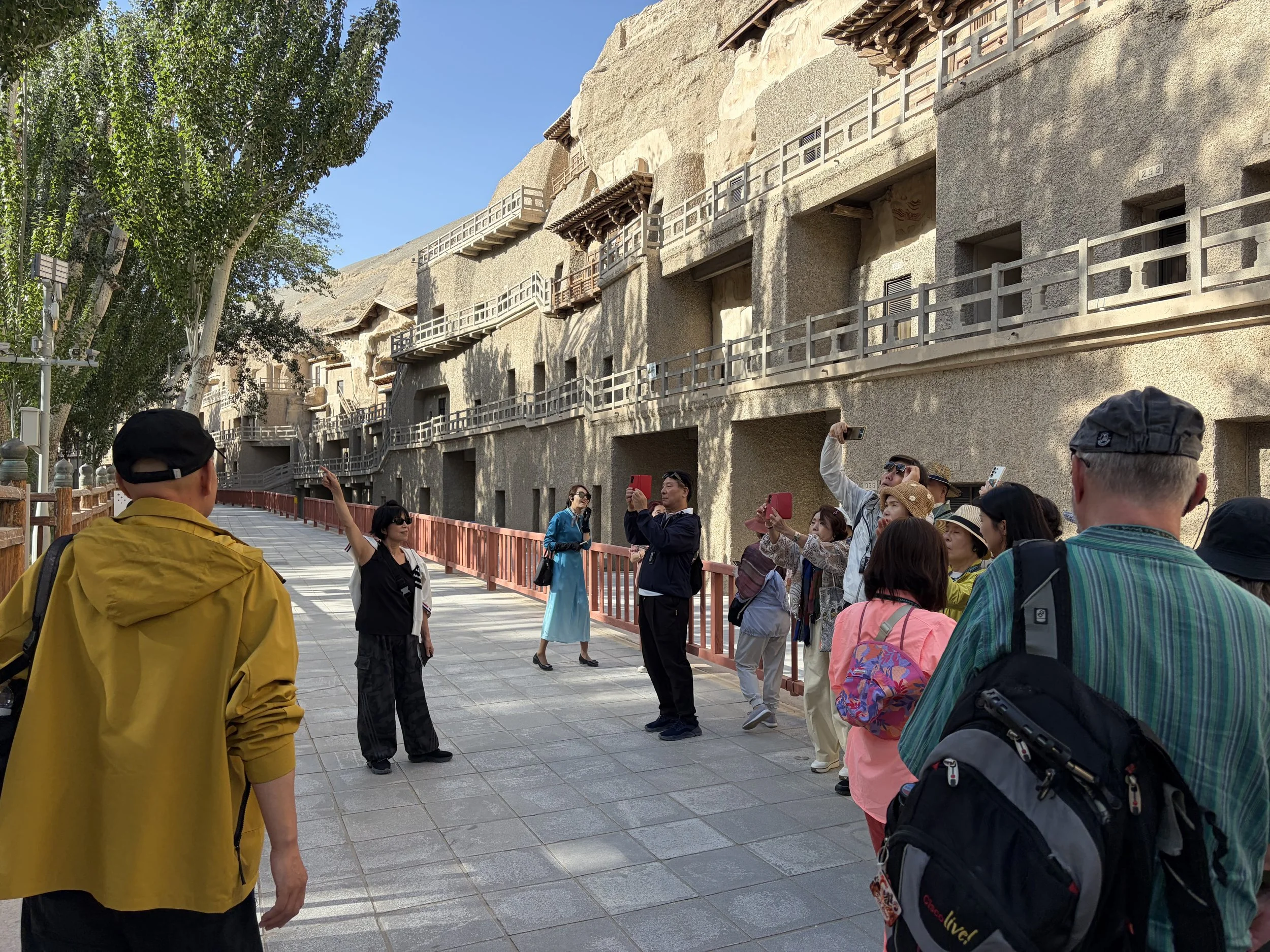
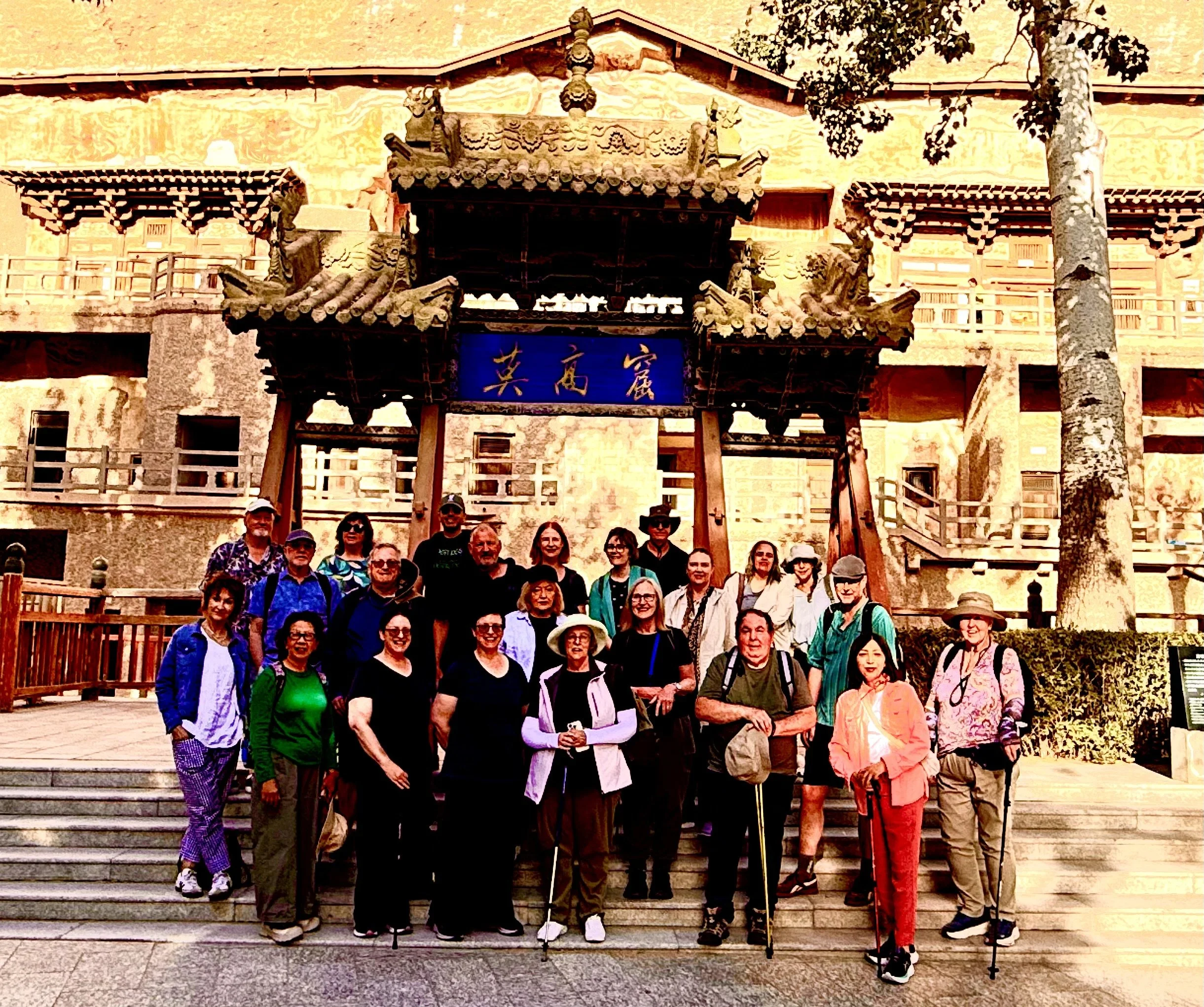
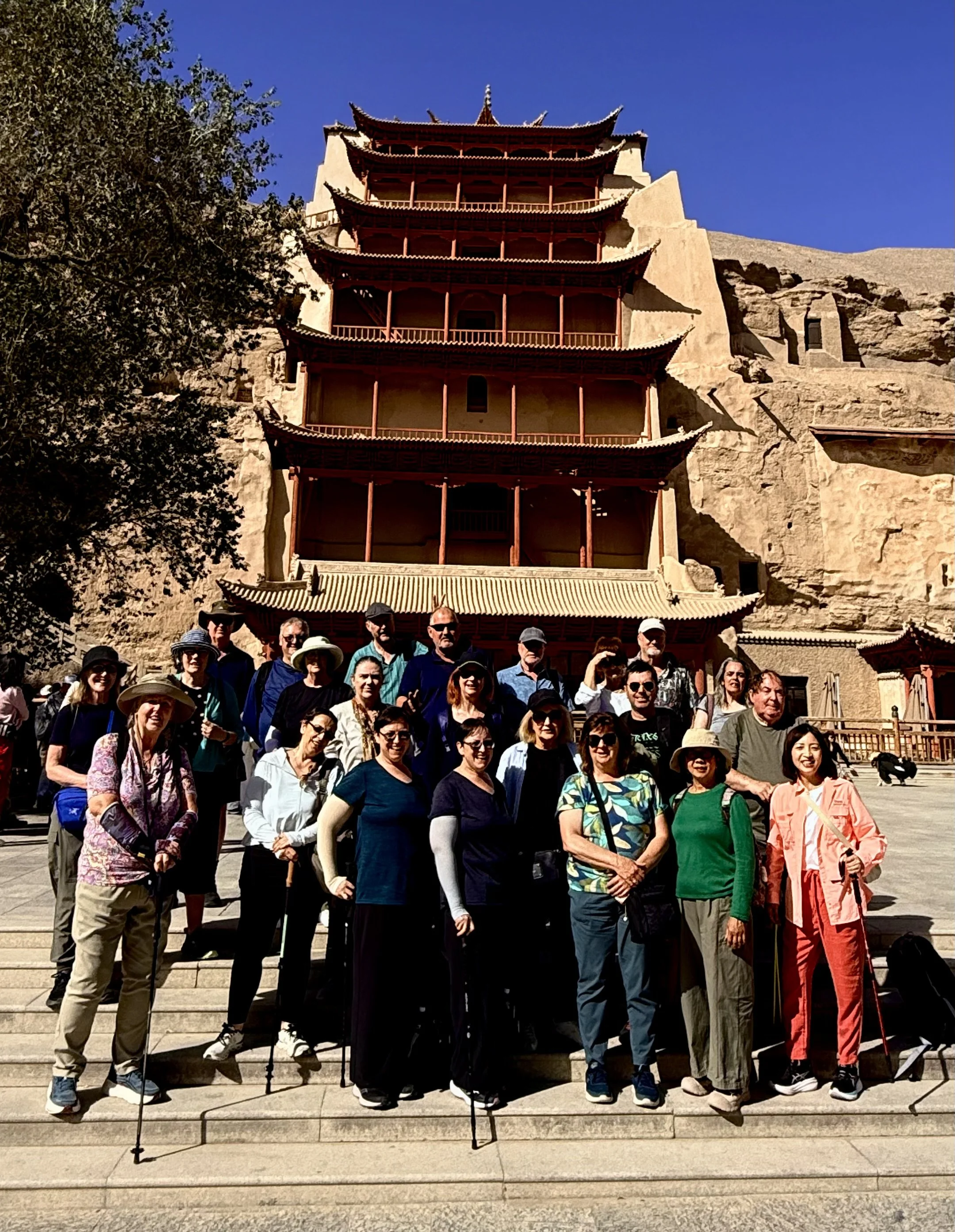
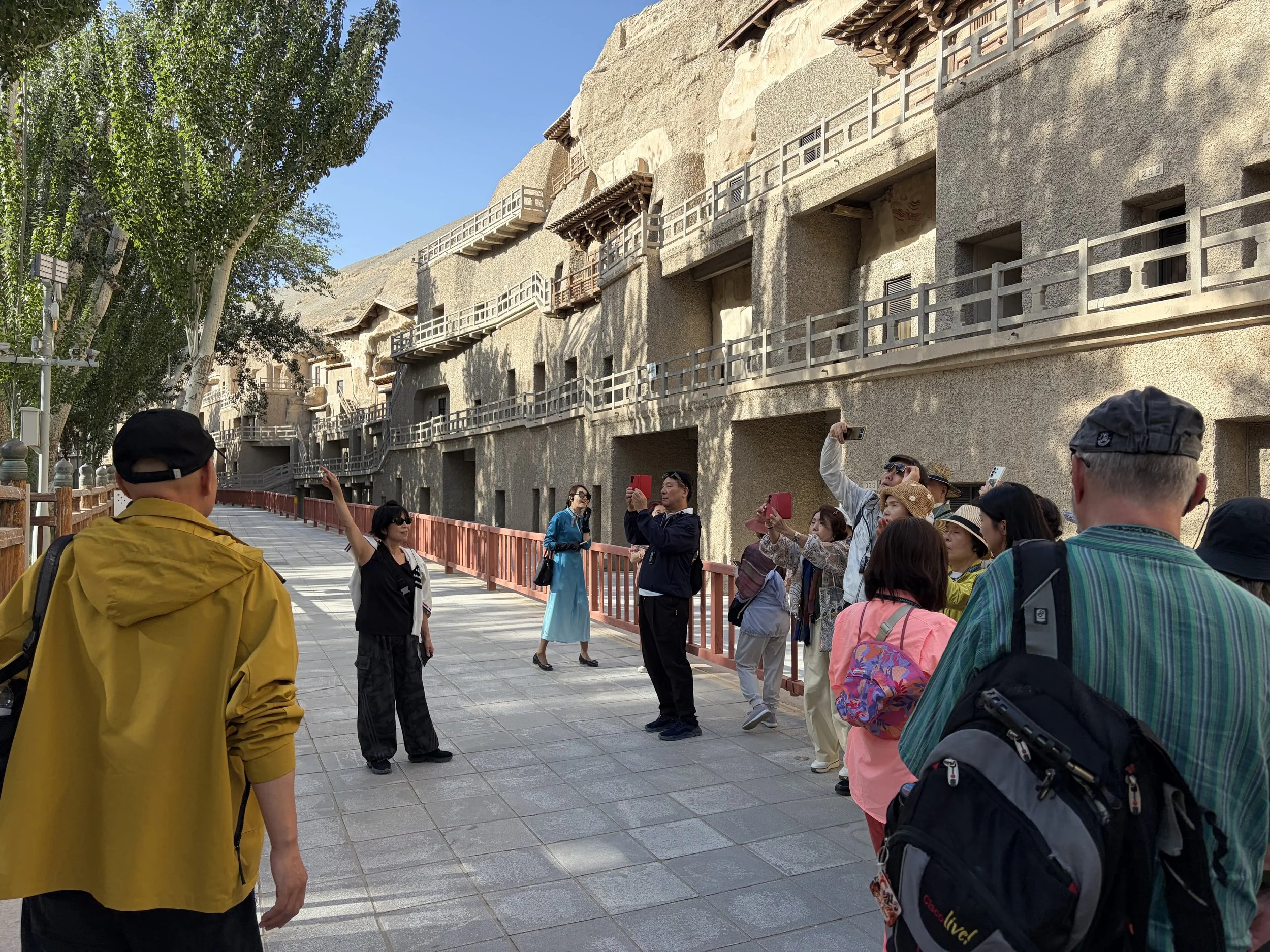
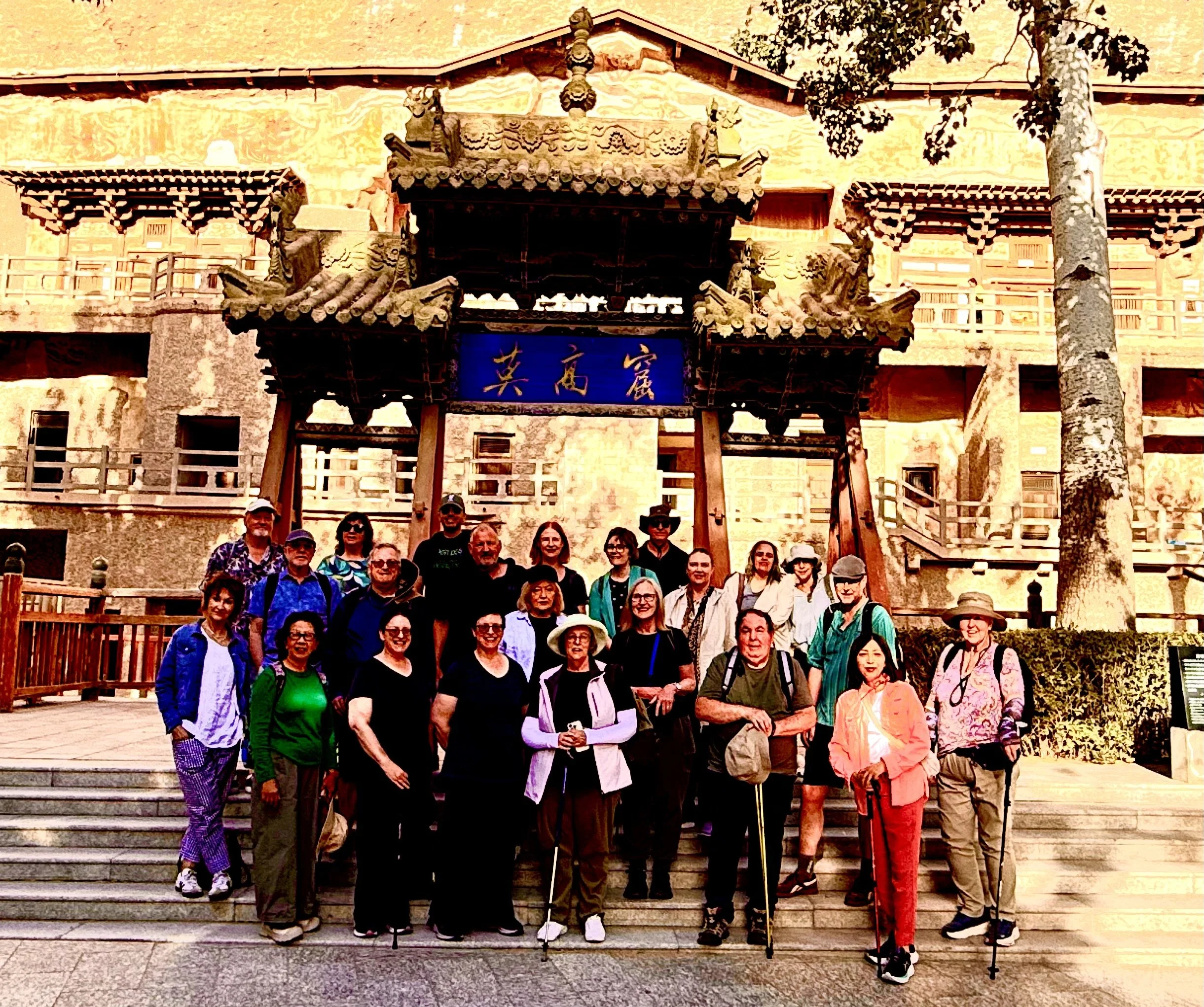
The desert journey continued with the Mogao Grottoes. Our guide led us through eight caves. In the dim interiors, we listened and looked closely at painted ceilings, sculptures and details that had survived for centuries. There was no chance to take photographs inside, so we carried the images with us in memory instead. The great Maitreya figure and the delicate scenes and celestial beings in the murals gave each cave its own atmosphere.
That evening, the art and stories returned in a different form through an immersive performance of music, light and dance. The movement and costumes brought the flying apsaras to life, while the story of the Library Cave connected the spectacle to the history we had encountered during the day. Afterwards, we gathered around a farewell banquet. Local dishes and Mogaoku Pinot Noir, lively conversation and Bill’s ukulele brought our time in Dunhuang to a warm close. The extraordinary places stayed with us, but so did the feeling of having climbed, travelled, eaten and laughed our way through them together.
Acknowledgement
Grateful thanks to Cilla G, Sarah G and Owen G for their excellent description of experiences on the Silk Road with Wulong and Professor Lily. Our students were very privaleged to have the opportunity to join a bespoke tour organised by Professor Lily who is a keen traveller and loves to especially travel with Wulong students. Extra special thanks to all travellers contributing their photos.