
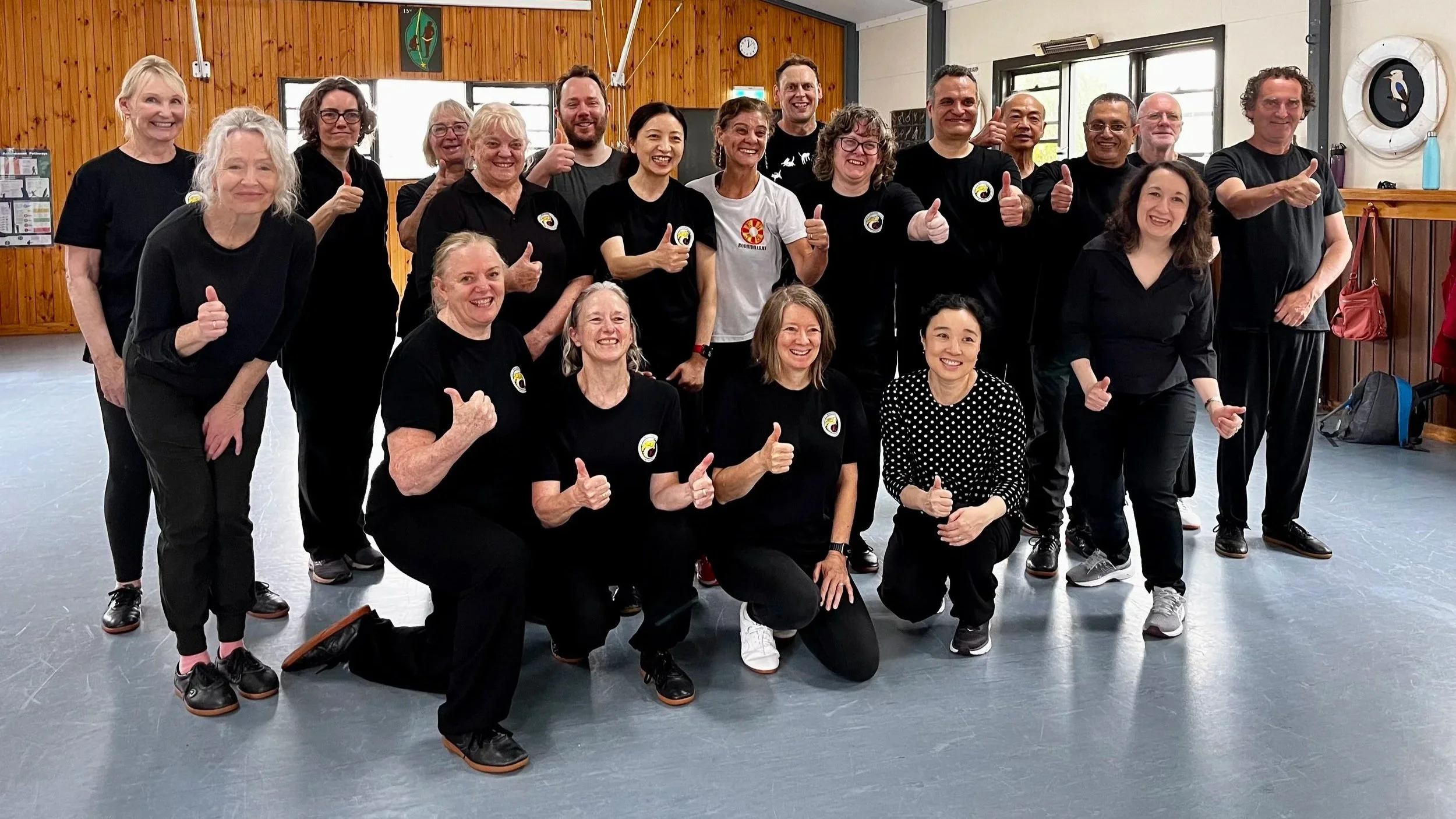
Chronic pain and loneliness are two challenges many older adults quietly carry every day. Both can limit movement, drain confidence, and make it harder to stay socially connected. But what if one gentle, accessible practice could support both physical comfort and emotional wellbeing? A new 2026 narrative review suggests that Tai Chi may offer exactly that — a mind‑body approach that helps people move with less pain while reconnecting with others. Whether you’re a long‑time Wulong student or someone exploring tai chi classes for the first time, this research offers encouraging insights.
1. Research Summary
Published on 26 May 2026, this narrative review examined how Tai Chi may help reduce chronic pain and improve social connection among socially isolated older adults. Chronic pain affects around 30% of older adults, and loneliness affects roughly 25% — and the two often reinforce each other.
To explore solutions, the researchers reviewed 1098 studies, narrowing them to 25 relevant papers published between 2016 and 2026. These included Tai Chi interventions, community‑based programs, qualitative interviews, and large population studies. Eleven of the included studies specifically evaluated Tai Chi or related mind‑body practices. The review found that Tai Chi is a safe, low‑cost, community‑friendly intervention that may reduce self‑reported pain and improve social wellbeing.
2. Highlights: Key Tai Chi Benefits Identified in the Research
Gentle movement that reduces chronic pain
Several studies in the review reported that Tai Chi helped older adults experience less pain. The authors explain that Tai Chi integrates “gentle movement for flexibility, balance, and strength,” which may ease chronic pain symptoms and support healthier movement patterns.
Improved social connection and reduced loneliness
Tai Chi is commonly practiced in groups, making it naturally social. Multiple studies found that participants experienced reduced loneliness, improved social support, and greater emotional wellbeing. One study noted that Tai Chi classes “offer opportunities for meaningful human connections,” which is especially important for older adults living alone or feeling isolated.
Mind‑body benefits that support emotional wellbeing
Tai Chi combines movement with breathing and mindfulness. This mind‑body integration may help regulate stress, improve mood, and support resilience. The review notes that Tai Chi has been linked to improvements in quality of life, emotional regulation, and social connectedness.
Potential improvements in inflammation and pain pathways
The review highlights early findings that Tai Chi may influence inflammatory markers such as CRP, IL‑6, and TNF‑α, and may support the body’s natural pain‑modulation systems. These physiological changes help explain why many older adults report feeling better after regular practice.
Accessible, safe, and sustainable for older adults
Tai Chi requires no equipment, can be adapted for different abilities, and is taught in community settings. The review emphasises that Tai Chi is safe, inexpensive, and feasible, making it an ideal option for older adults who may not have access to clinical care or prefer gentle, low‑impact exercise.
3. What This Means
The research reinforces tai chi students experience in practice: Tai Chi is more than movement — it is connection, breath, balance, and community. Your classes support not only physical strength and flexibility but also emotional wellbeing and social belonging.
For newcomers, this research offers reassurance. Tai Chi is not just a martial art; it is a mind‑body practice that supports whole‑person health. If you or someone you love is living with chronic pain, loneliness, or simply wants a gentle way to stay active, Tai Chi provides a welcoming path forward. At Wulong, our tai chi classes are designed to be inclusive, supportive, and grounded in evidence‑based wellness principles.
4. READ The Research
Read the research Tai Chi as a Mind–Body Intervention to Address Chronic Pain in Socially Isolated Older Adults: A Narrative Review published 26 May 2026 here https://doi.org/10.3390/healthcare14111464
If you are looking for a program to support your health, try a Wulong class today. Click here to see all our class locations and timings. https://www.wulongtaichi.com.au/tai-chi-classes