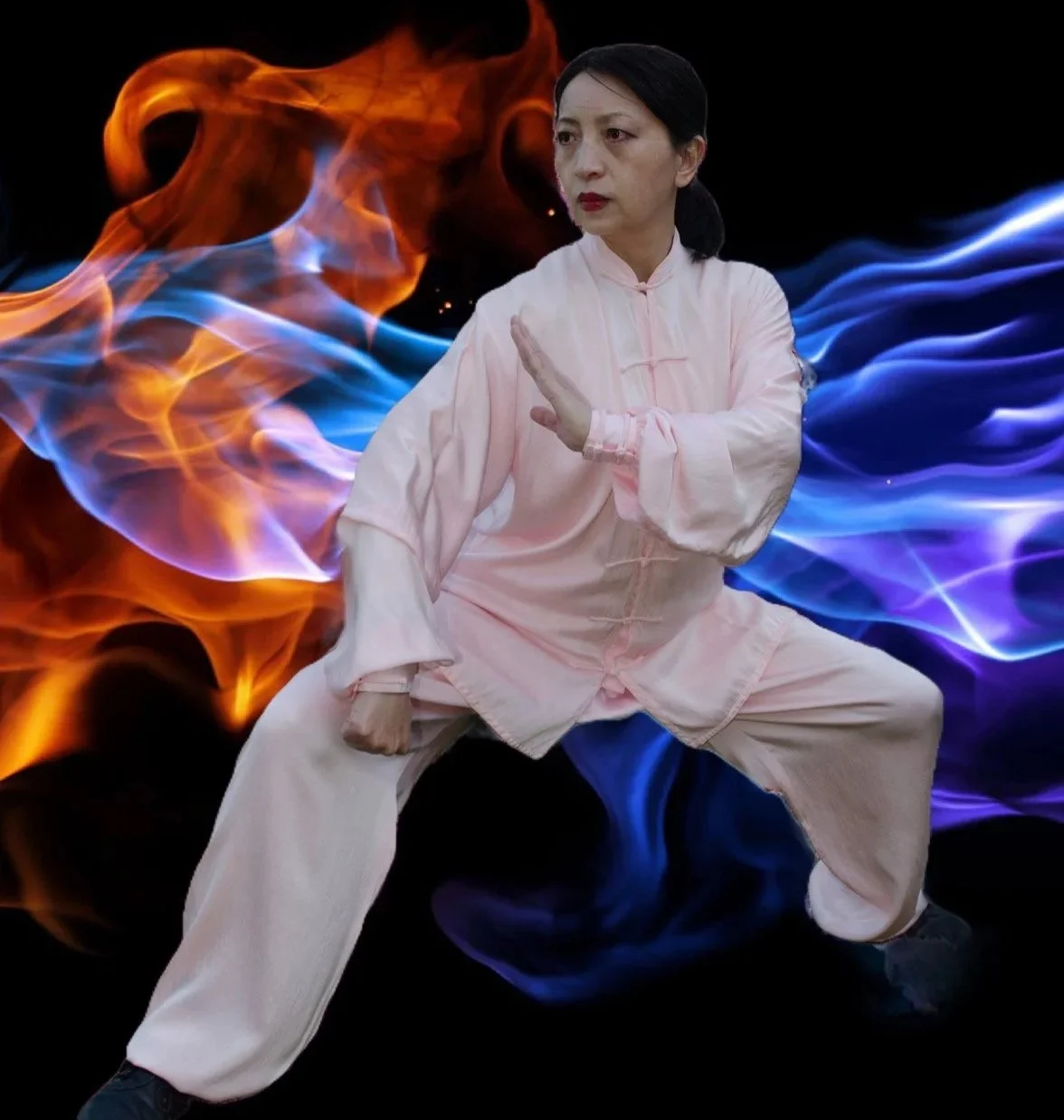
New research offers a fresh look at how tai chi supports a healthier, more flexible mind. It identifies an unexpected benefit - enhanced creativity, adaptability, and mental spaciousness for artists and designers.
After only 11 weeks, participants practising Taichi Stick Health Qigong experienced significant reductions in depression severitycompared with the control group.
Tai Chi may help reduce chronic pain and improve social connection among socially isolated adults. One gentle, accessible practice that can support both physical comfort and emotional wellbeing.
A recent 2026 study offers compelling biomechanical evidence that Tai Chi’s slow, controlled squatting movements may protect the knee joint more effectively than standard gym‑style squats.
This 2026 study provides strong scientific evidence that Tai Chi is an effective, accessible, and scalable way to improve stress regulation, attention, and psychological resilience.
Tai Chi leads to significant improvements in sleep quality for cancer patients, compared with usual care. The improvements were large enough to be clinically meaningful, not just statistically significant.
Taichi and qigong are associated with significant improvements in asthma symptoms, lung function, and quality of life compared to conventional medical treatments alone.
A major 2026 international research review now provides strong evidence supporting Tai Chi as an effective exercise for improving bone health and overall physical resilience.
A landmark 2026 umbrella review of 65 clinical trials confirms that Tai Chi and Qigong significantly improve heart function, exercise capacity, and quality of life.
A comprehensive 2026 review examined Qigong in physical rehabilitation — particularly for people living with chronic low back pain. Meaningful improvements in mobility, spinal control, and everyday physical function restored confidence and coordination without excessive strain.
This research confirms the real‑world health value of Tai Chi practice. Tai Chi trainng develops balance and stability, mental clarity under pressure, coordinated movement and posture, long‑term resilience and confidence in everyday movement.