A major 2026 international research review now provides strong evidence supporting Tai Chi as an effective exercise for improving bone health and overall physical resilience—benefits highly relevant for Wulong Tai Chi Kung Fu students and the wider community alike.
About the Research
A systematic review and meta-analysis published in Osteoporosis International in February 2026. The research analysed 19 randomised controlled trials (RCTs) involving middle‑aged and older adults diagnosed with osteoporosis or osteopenia—conditions characterised by reduced bone mineral density (BMD) and increased fracture risk.
The researchers conducted a comprehensive search across seven major medical and scientific databases, including PubMed, Web of Science, EMBASE, and Cochrane, covering all relevant studies published up to 16 February 2025. Only high‑quality randomised controlled trials were included, ensuring reliable and clinically meaningful results.
The study focused on bone loss and skeletal fragility, particularly in the lumbar spine and hip — areas most associated with serious fractures, loss of independence, and reduced quality of life as people age.
Key Findings
Across the pooled data, Tai Chi practice significantly improved bone mineral density in multiple critical skeletal regions, including lumbar spine (L2–L4) and upper femur.
Improvements were statistically significant even when Tai Chi was practised at moderate weekly durations, highlighting its accessibility and safety for a wide range of participants.
How Tai Chi and Qigong Support Health
1. Improved Bone Density
The research found that consistent Tai Chi practice led to measurable increases in bone mineral density, helping to slow or reverse bone loss. Participants practising for more than 24 weeks experienced the greatest benefits, reinforcing the value of long‑term, consistent training.
2. Reduced Risk of Falls and Fractures
Improved bone density, combined with Tai Chi’s emphasis on balance, posture, and controlled movement, helps reduce the likelihood of falls—one of the leading causes of injury in older adults. This is especially relevant for maintaining independence and mobility as we age.
3. Gentle Yet Effective Exercise
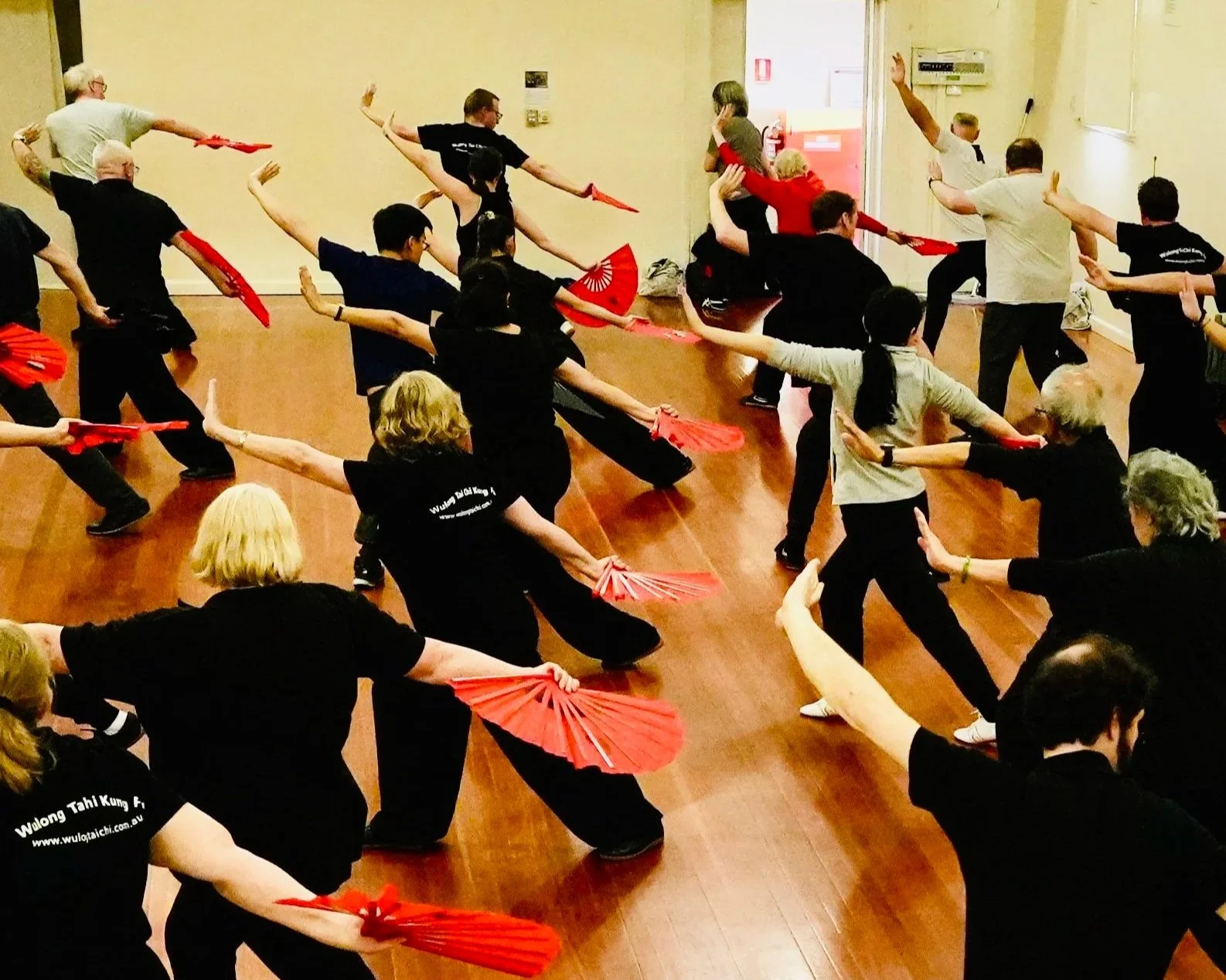
The study highlights that Tai Chi delivers benefits without high impact or excessive strain, making it suitable for beginners, older adults, and those returning to exercise after injury or illness. This aligns closely with Qigong principles used in Wulong training, where internal strength, relaxation, and alignment are prioritised.
4. Mind–Body Integration
While the study focused on bone health, Tai Chi and Qigong are widely recognised for their broader benefits, including improved coordination, breathing, mental focus, and stress regulation. These qualities support both physical health and overall wellbeing.
What This Means for Students
This research provides strong scientific validation for what traditional practice has long taught: slow, mindful movement builds deep, lasting strength. Regular Tai Chi and Qigong training not only develops martial structure and internal power but also supports lifelong bone health, balance, and resilience.
Whether you are training for martial skill, health maintenance, or long‑term wellbeing, consistent practice offers benefits that extend well beyond the training floor. For the general public, this research confirms that Tai Chi and Qigong are safe, effective, and evidence‑based practices suitable for people of all ages and fitness levels.
Read the research “The impact of Tai Chi on osteoporosis and osteopenia in middle-aged and elderly adults” published February 2026 here: https://link.springer.com/article/10.1007/s00198-026-07910-0
If you are looking for a program to support your health, try a Wulong class today. Click here to see all our class locations and timings. https://www.wulongtaichi.com.au/tai-chi-classes