At Wulong Tai Chi Kung Fu, we have always known that the ancient art of Tai Chi is a powerful tool for health. Now, cutting-edge research provides even more evidence for why this "meditation in motion" is essential for middle-aged and older adults looking to enhance their quality of life.
A significant cross-sectional study published in January 2026 investigated the impact of Tai Chi on the lives of 710 middle-aged and older adults (aged 45 to 65) in Chongqing, China. The researchers utilized professional measurement tools—including the Physical Activity Rating Scale and the Profile of Mood States—to examine how regular Tai Chi practice influences subjective well-being, self-esteem, and emotional health.
The study focused on subjective well-being, a comprehensive measure of an individual's quality of life, including life satisfaction and the balance of positive and negative emotions.
The research found that Tai Chi is far more than just physical exercise; it is a "green, safe, and healthy non-pharmaceutical measure" for maintaining mental health. Key research highlights include:
Direct Boost to Well-Being: There is a significant positive correlation between the volume of Tai Chi practice and overall subjective well-being. Simply put, more engagement in Tai Chi predicts richer, happier life experiences.
Mood Regulation: Tai Chi practice was shown to significantly reduce negative mood states such as tension, anger, fatigue, depression, and confusion.
Enhanced Self-Esteem: Practitioners reported higher levels of self-esteem, which acts as a crucial psychological resource for competence and worth.
The Chain Effect: The study revealed a "chain mediating role," where Tai Chi improves mood, which in turn boosts self-esteem, ultimately leading to significantly higher levels of overall happiness and well-being.
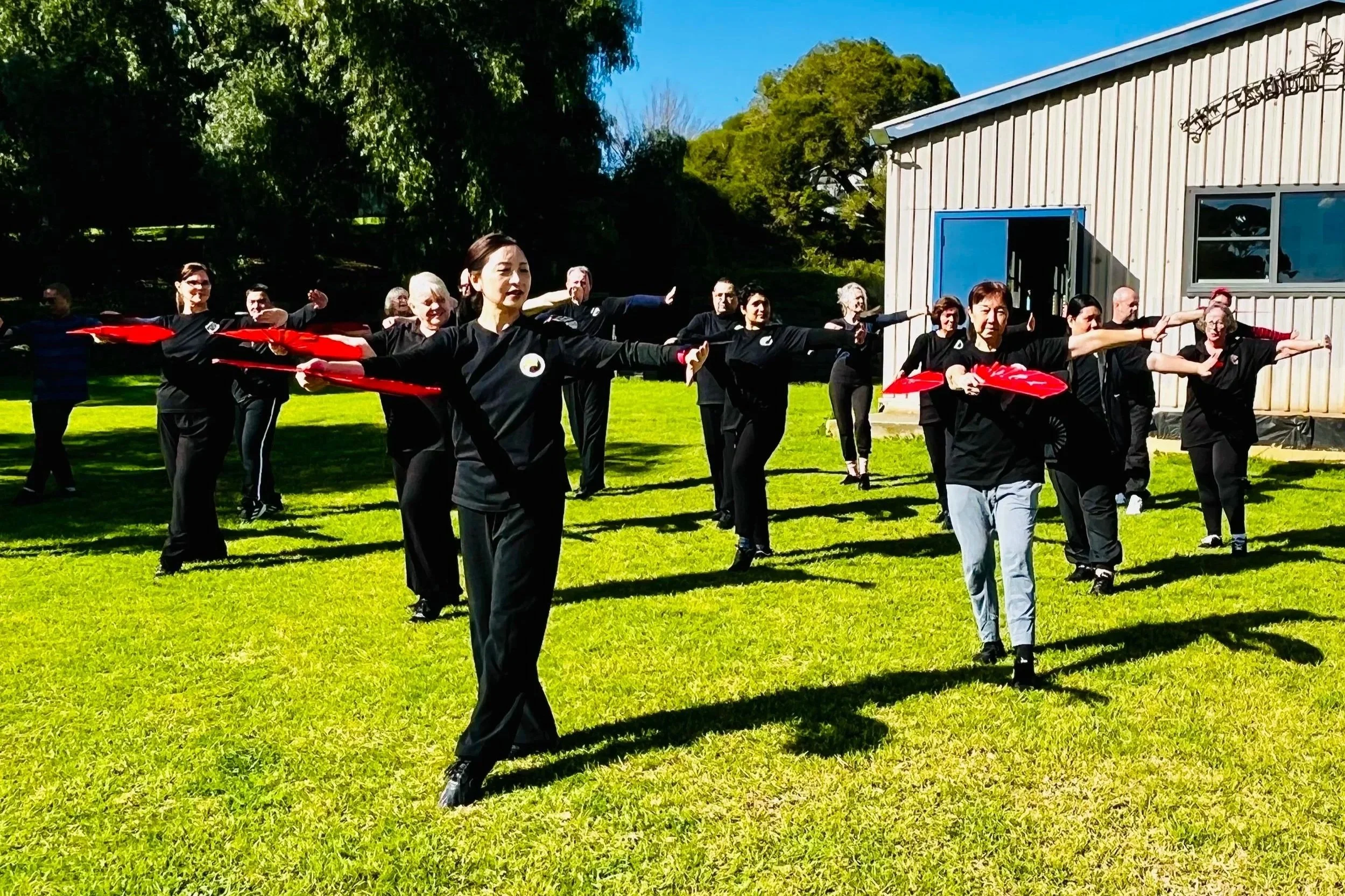
For Wulong Tai Chi Kung Fu students, these findings confirms that every minute you spend in class and practice is an investment in your mental resilience. The study found that consistent, regular practice is the key to unlocking these profound psychological benefits. By calming the mind and guiding qi with intent, you are not just practicing a form; you are cultivating a lasting sense of self-worth and emotional stability. Keep up your dedicated practice—it is the path to healthy aging.
Read the research published 28 January 2026 here https://doi.org/10.3389/fpubh.2026.1686008
If you are looking for a program to support your health, try a Wulong class today. Click here to see all our class locations and timings.