
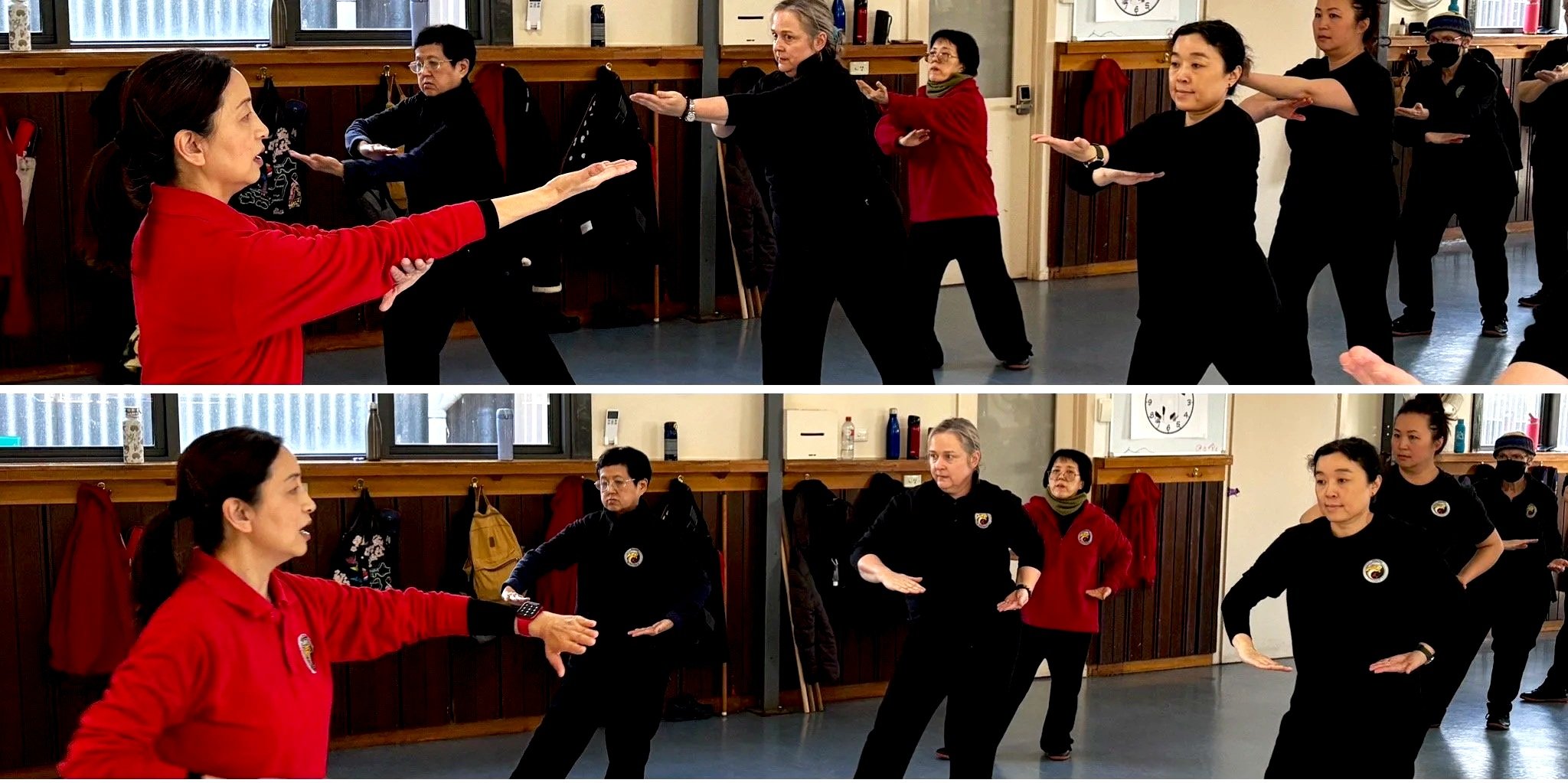
Living with ongoing pain can feel like life shrinking around you — fewer activities, less confidence, and a constant negotiation with your body. But over the past two decades, researchers have been quietly building a compelling body of evidence around a gentle, accessible practice -Tai Chi.
Research Summary
Published in October 2026, this updated research gives you a strong, science-backed reason to keep moving. The review looked at 20 years of clinical research on Tai Chi for chronic musculoskeletal pain — including osteoarthritis, fibromyalgia, chronic low back pain, and rheumatoid arthritis.
Researchers examined 19 randomized controlled trials and 34 review articles, covering more than 2,000 participants. These studies involved adults practicing Tai Chi for 4–24 weeks, usually 2–5 times per week, using Yang, Sun, Chen, or simplified forms.
Across conditions, the review found that Tai Chi consistently improved pain, mobility, physical function, stiffness, sleep, mood, and quality of life, with the strongest evidence relating to knee and hip osteoarthritis. As the authors note,
“Findings are strongest for knee and hip osteoarthritis - Tai Chi improved pain, mobility, physical function, and stiffness compared with non‑exercise controls.”
Highlights: Tangible Benefits Found in the Research
1. Reduced Pain and Stiffness
Across many trials, Tai Chi helped people move with less discomfort. In knee osteoarthritis, multiple studies showed meaningful reductions in pain during walking, daily activities, and exercise. One trial even found Tai Chi ranked most effective among mind‑body exercises for pain improvement.
2. Better Physical Function and Mobility
Participants improved their ability to walk, climb stairs, balance, and perform everyday tasks. The review notes improvements in “physical function or functional fitness” in seven out of nine osteoarthritis trials, including gains in gait, chair stands, and flexibility.
3. Improved Mood, Sleep, and Quality of Life
Pain rarely exists alone — it affects sleep, mood, and confidence. Tai Chi’s gentle movement and mindful breathing supported improvements in depression, anxiety, sleep quality, and overall wellbeing. One large trial reported greater improvements in depression and physical quality of life compared with physical therapy.
4. Support for Fibromyalgia Symptoms
For fibromyalgia, Tai Chi helped reduce fatigue, sleep disturbance, pain, and emotional distress. Longer programs (over 40 hours total) produced the strongest benefits.
5. Safe, Adaptable, and Accessible
Across all reviewed studies, Tai Chi showed a favourable safety profile. No serious adverse events were reported, and programs were successfully delivered in person, in groups, and online.
What This Means
The review highlights Tai Chi’s unique combination of movement, breath, balance, relaxation, and focused attention. These are the same principles we cultivate in every Wulong class, whether you’re practicing foundational forms, Qigong breathing, or mindful stepping.
For new students, this research offers reassurance: Tai Chi is gentle, adaptable, and suitable for all ages and abilities. You don’t need prior experience, athletic background, or flexibility — just curiosity and willingness to begin.
For long‑time students, it’s a reminder that your practice is backed by decades of evidence showing real, measurable benefits. Every class you attend supports your joints, your nervous system, your mood, and your long‑term health.
And for anyone living with chronic pain, Tai Chi offers a way to move again — safely, calmly, and confidently — in a supportive community.
Call to Action
Read the research Reflections on 20 Years of Research on Tai Chi for Chronic Musculoskeletal Pain: An Updated Review published October 2026 here https://doi.org/10.1007/s11926-026-01239-7
If you are looking for a program to support your health, try a Wulong class today. Click here to see all our class locations and timings https://www.wulongtaichi.com.au/tai-chi-classes