As we age, maintaining cognitive health becomes increasingly important, especially for individuals diagnosed with mild cognitive impairment (MCI). MCI is a condition characterized by noticeable cognitive decline that does not yet interfere significantly with daily activities but often precedes dementia. A recent review article published in Cureus (February 2026) highlights the promising role of tai chi in slowing cognitive decline among individuals with MCI.
The review analysed eight randomized controlled trials (RCTs) to evaluate the effectiveness of tai chi interventions in improving cognitive function in older adults with MCI. The studies included interventions lasting at least six months (≥24 weeks) and focused on older adults, primarily aged 65 and above. The trials were conducted in various locations, including China, Taiwan, Thailand, Hong Kong, and the United States.
The findings were consistent across all studies: tai chi significantly improved cognitive function in areas such as memory, attention, executive functioning, and global cognition compared to control groups. Cognitive assessments like the Montreal Cognitive Assessment (MoCA) and Mini-Mental State Examination (MMSE) showed measurable improvements in participants who practiced tai chi.
Highlights of the Findings
The review revealed several key benefits of tai chi for individuals with MCI:
Improved Cognitive Function: Tai chi participants showed significant improvements in memory, attention, and executive functioning compared to control groups. For example, MoCA scores increased by up to 2.9 points in some studies.
Long-Term Benefits: Cognitive improvements were sustained even after the intervention period, with some studies reporting benefits lasting up to three years.
Mental Wellbeing: Tai chi was associated with reduced depression and anxiety, contributing to overall emotional health.
Physical and Cognitive Engagement: Tai chi’s combination of physical movements, mindfulness, and cognitive engagement promotes brain health and reduces the risk of cognitive decline.
Accessibility and Safety: Tai chi is a low-impact exercise suitable for older adults, making it a safe and accessible option for individuals with MCI.
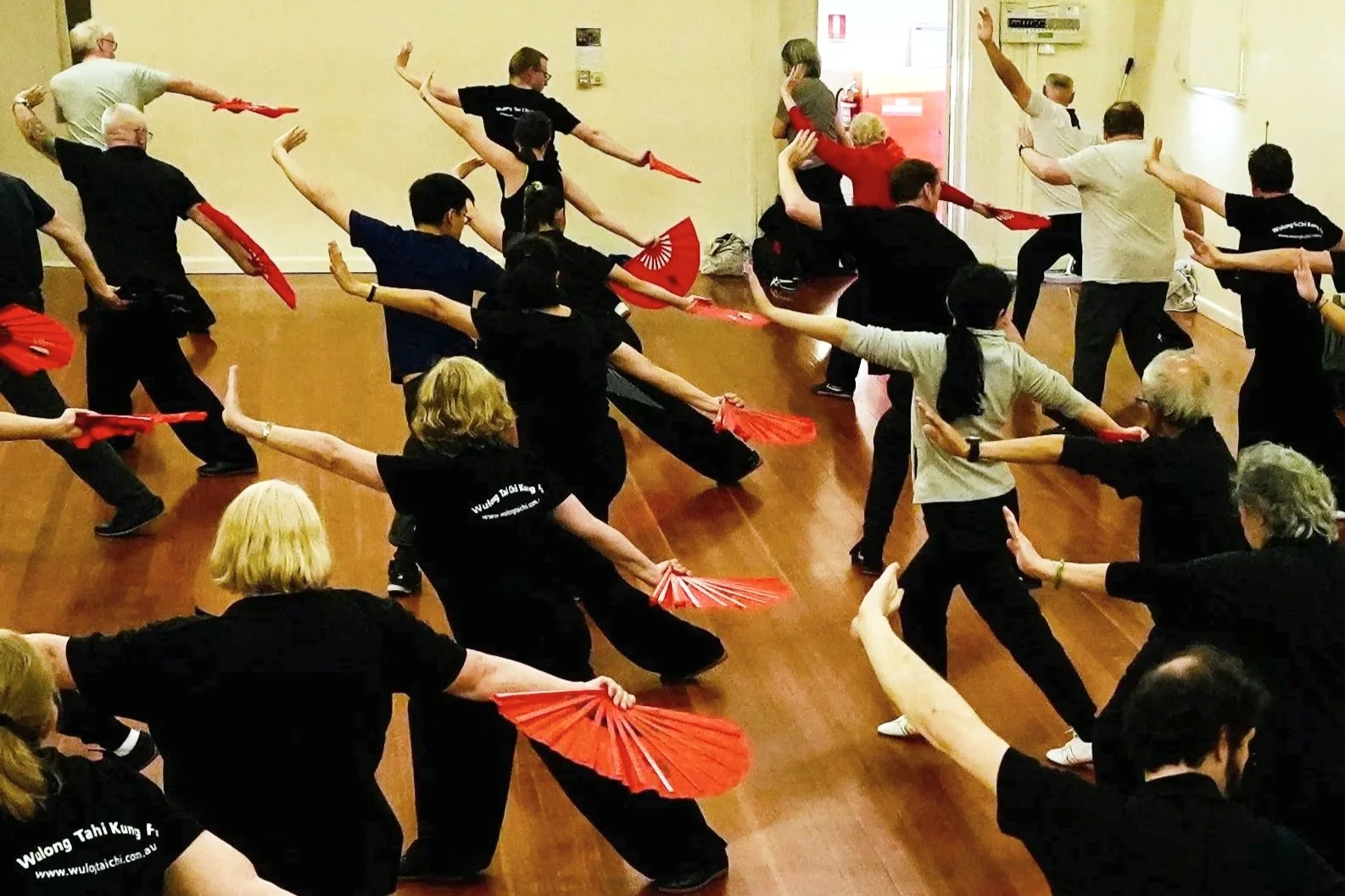
At Wulong, we are committed to helping our students achieve better health and wellbeing through the practice of tai chi and qigong. This research highlights the incredible benefits of tai chi for cognitive health, especially for older adults. Whether you are looking to maintain your mental sharpness, improve your memory, or simply enjoy the calming effects of tai chi, this ancient practice offers a holistic approach to wellness.
We encourage everyone to embrace tai chi as part of their daily routine to support both physical and mental health. Take proactive steps to preserve cognitive function and enhance overall quality of life.
Published: February 14, 2026
Source: Tai Chi Interventions for Slowing Cognitive Decline in Mild Cognitive Impairment: A Review of Randomized Controlled Trials
If you are looking for a program to support your mental health, try a Wulong class today. Click here to see all our class locations and timings. https://www.wulongtaichi.com.au/tai-chi-classes