
A major new systematic review and meta‑analysis, published in Frontiers in Endocrinology, has delivered some of the strongest evidence yet that Baduanjin, a traditional Qigong practice, can significantly improve blood sugar and lipid (fat) metabolism for people living with type 2 diabetes.
For anyone interested in gentle, effective, evidence‑based wellness practices—this research offers exciting confirmation of what many practitioners already feel in their bodies: slow, mindful movement can meaningfully support metabolic health.
What the Research Looked At
The study analysed 48 randomised controlled trials including 3,699 participants with type 2 diabetes in trials conducted up to April 2025. Researchers followed rigorous guidelines and assessed study quality using the established tools. They examined four key health markers:
Fasting blood glucose (FBG)
Glycated haemoglobin (HbA1c) – long‑term blood sugar control
Triglycerides (TG)
Total cholesterol (TC)
The review also explored which training parameters—session length, frequency, and program duration—produced the best results. The core finding is:
“Baduanjin significantly reduces fasting blood glucose and glycated hemoglobin… with a substantial effect on triglycerides.”
Key Findings - How Baduanjin Helps the Body
Across all 48 studies, Baduanjin produced statistically significant improvements in every metabolic marker measured.
1. Better Blood Sugar Control
Fasting blood glucose dropped by an average of 0.78 mmol/L.
HbA1c decreased by 0.67 percentage points, a meaningful improvement for long‑term health.
These changes reflect improved insulin sensitivity and more stable daily glucose patterns.
2. Healthier Lipid Levels
Triglycerides decreased by 0.37 mmol/L.
Total cholesterol decreased by 0.40 mmol/L.
These shifts support cardiovascular health—an important consideration for anyone managing diabetes or pre‑diabetes.
3. Gentle, Accessible, and Sustainable
The research emphasises that Baduanjin is:
Low‑impact
Easy to learn
Suitable for older adults and people with limited exercise tolerance
Effective even when practiced at home or in community settings
This makes it an ideal long‑term wellness practice.
What’s the Optimal “Dose” of Baduanjin?
One of the most valuable contributions of this review is its analysis of exercise parameters. The authors identified a clear pattern:
The most consistent metabolic improvements occurred with: 40–45 minutes per session, 3 sessions per week and sustained for 24–48 weeks.
What This Means for Students
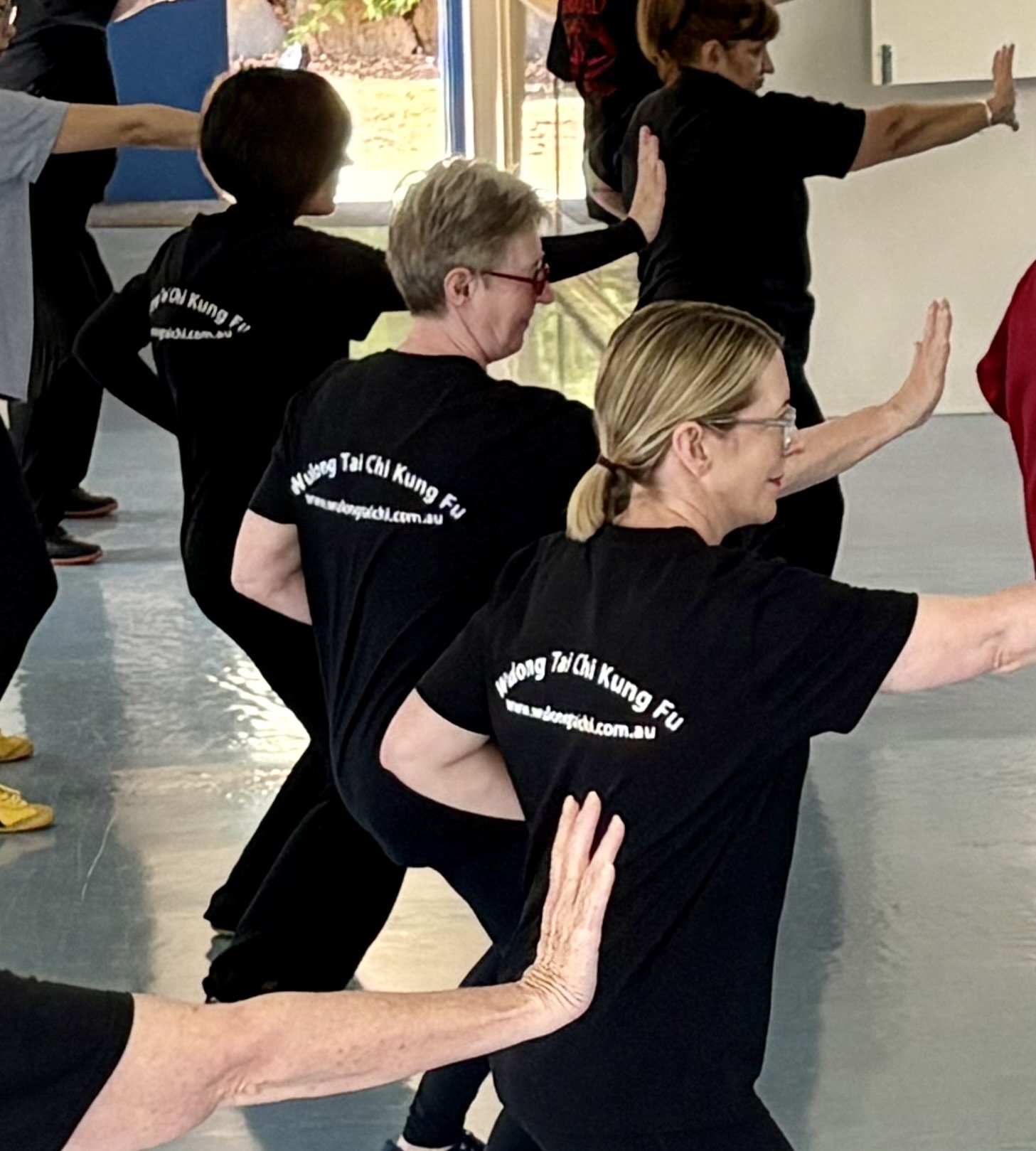
For our Wulong community, this research reinforces what we see in class every week:
Slow, mindful movement supports whole‑body health.
Consistency matters more than intensity.
Breath, posture, and gentle flow can meaningfully improve metabolic wellbeing.
Tai Chi and Qigong are not just “exercise”—they are long‑term health practices.
Whether you’re managing a health condition, supporting healthy ageing, or simply seeking more balance and vitality, incorporating regular Tai Chi or Qigong practice can be a powerful part of your wellness routine.
Read the research published 24 February 2026 here: https://doi.org/10.3389/fendo.2026.1731466
If you are looking for a program to support your health, try a Wulong class today. Click here to see all our class locations and timings.