Cancer changes life in ways most people never expect — physically, emotionally, and energetically. If you are exploring gentle, evidence‑based ways to support your health, you deserve practices that help you feel more like yourself again. A 2021 systematic review and meta‑analysis highlights Baduanjin Qigong, a simple eight‑movement practice, that can meaningfully improve fatigue, sleep, and quality of life for people living with or recovering from cancer.
You can find more information about Baduanjin at https://wulong.squarespace.com/ba-duan-jin and its benefits at https://www.wulongtaichi.com.au/benefits
Research Summary
This research published on 8 April 2021 in Evidence‑Based Complementary and Alternative Medicine examined how Baduanjin affects cancer‑related fatigue, sleep, and overall quality of life.
Researchers reviewed 14 studies, and combined data from 10 randomized controlled trials — the gold standard in medical research. All participants were adults diagnosed with cancer, and the studies ran from 4 weeks to 6 months. Some were undergoing chemotherapy or radiotherapy; others were survivors rebuilding strength. Across these trials, participants practiced Baduanjin regularly while control groups received routine care or standard rehabilitation.
Highlighting Tangible Benefits
“The Baduanjin exercise not only can alleviate the degree of cancer-related fatigue in patients but also can improve their quality of life and sleep quality.”
In simple terms: people who practiced Baduanjin felt better — in multiple ways.
1. Reduced Cancer‑Related Fatigue
Across five trials, Baduanjin practitioners were far less likely to experience moderate to severe fatigue. This is one of the most common and debilitating symptoms during and after treatment, and the improvement was consistent.
2. Better Quality of Life
Studies using two major quality‑of‑life questionnaires (FACT‑B and EORTC QLQ‑C30) showed meaningful improvements in emotional wellbeing, physical comfort, and daily functioning.
3. Improved Sleep Quality
Participants practicing Baduanjin slept better, with significantly lower scores on the Pittsburgh Sleep Quality Index — meaning fewer disturbances and deeper rest.
4. Gentle, Accessible Movement
Because Baduanjin is mild to moderate in intensity, it’s suitable for people with limited energy, mobility challenges, or ongoing treatment side effects.
5. Mind–Body Integration
The research notes that Baduanjin’s combination of movement, breath, and calm focus may support internal organ function and overall regulation — a hallmark of qigong health benefits.
What This Means
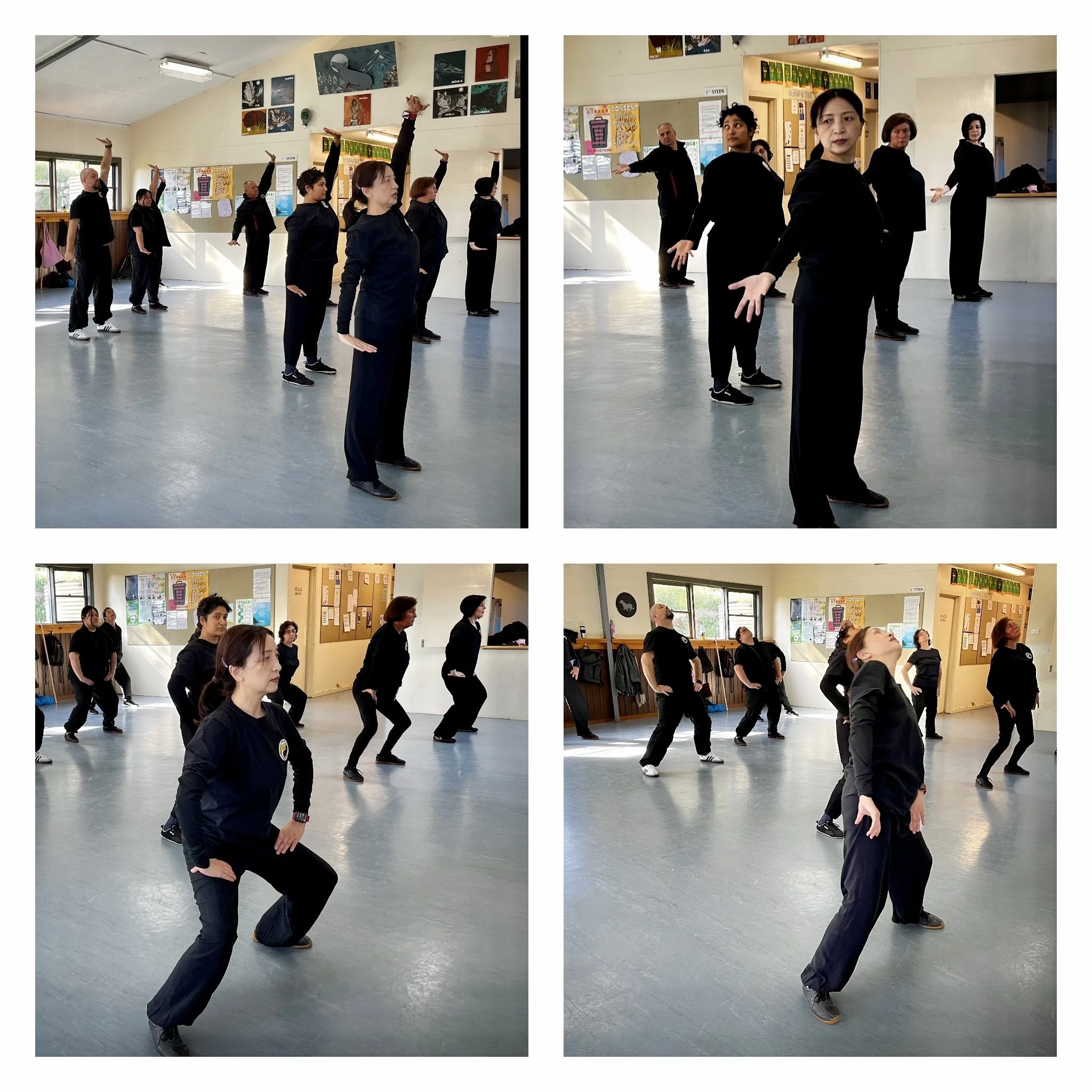
At Wulong Tai Chi Kung Fu, we’ve always taught that tai chi and qigong are more than exercise — they’re a pathway to restoring balance, confidence, and vitality. This research reinforces what many of our students already feel in their bodies:
Gentle, mindful movement can be deeply therapeutic.
Regular practice builds resilience, even during challenging health journeys.
Community‑based qigong, taught with care and precision, supports healing on multiple levels.
For students, this study is a reminder that your practice is grounded in real, measurable benefits. For newcomers, it’s an invitation to explore tai chi and qigong as safe, supportive tools for wellbeing — especially if you’re navigating fatigue, stress, or recovery.
Closing Call to Action
Read the research Clinical Effects of Baduanjin Qigong Exercise on Cancer Patients: A Systematic Review and Meta-Analysis on Randomized Controlled Trials published here https://doi.org/10.1155/2021/6651238 If you are looking for a program to support your health, try a Wulong class today. Click here to see all our class locations and timings https://www.wulongtaichi.com.au/tai-chi-classes