When people finish cancer treatment, they’re often told the hardest part is over — yet many continue to live with exhaustion, poor sleep, and persistent pain. These symptoms can quietly shape everyday life, making even simple tasks feel heavier than they should. The MATCH study, a major clinical trial published in September 2026, offers encouraging news: gentle, mindful movement practices like tai chi and qigong can meaningfully ease this burden.
Research Summary
The MATCH Trial (Mindfulness and Tai Chi for Cancer Health) published16 September 2026 investigated health issues: Sleep quality, fatigue, and pain in people distressed after completing cancer treatment. The study included .587 adults, average age 60, with many cancer types and stages. Participants either chose tai chi/qigong (TCQ) or mindfulness-based cancer recovery (MBCR), or were randomly assigned. Each group was compared to a waitlist control group over 9–11 weeks of practice.
Key findings
Tai chi/qigong improved sleep quality, fatigue, and pain interference
MBCR improved fatigue and pain interference
Improvements were similar whether people chose their program or were randomly assigned
Sleep, fatigue, and pain improved together — showing these symptoms are interconnected
Highlights: Tangible Benefits for Everyday Life
1. Better Sleep Quality
Participants in the tai chi/qigong group improved their sleep by about 2 points on a validated sleep scale — a meaningful shift for people who began the study with poor sleep.
2. Reduced Fatigue
Both tai chi/qigong and MBCR improved fatigue by 3–4 points, enough to noticeably change daily functioning.
3. Less Pain Interference
Participants reported less disruption from pain in their daily activities — even when pain intensity itself didn’t change.
4. Benefits Regardless of Preference
Choosing the program or being randomly assigned didn’t change outcomes — meaning tai chi and qigong are broadly helpful across personality types, backgrounds, and expectations.
5. Improvements Move Together
Better sleep, less fatigue, and reduced pain were mildly to moderately correlated, reinforcing the idea that whole‑person practices can shift multiple symptoms at once.
What This Means
The MATCH study affirms what many students already feel in their bodies:
Gentle, mindful movement supports deep rest
Slow, coordinated breathing reduces mental and physical tension
Flowing sequences improve circulation, mobility, and ease
Practising in community strengthens motivation and emotional wellbeing
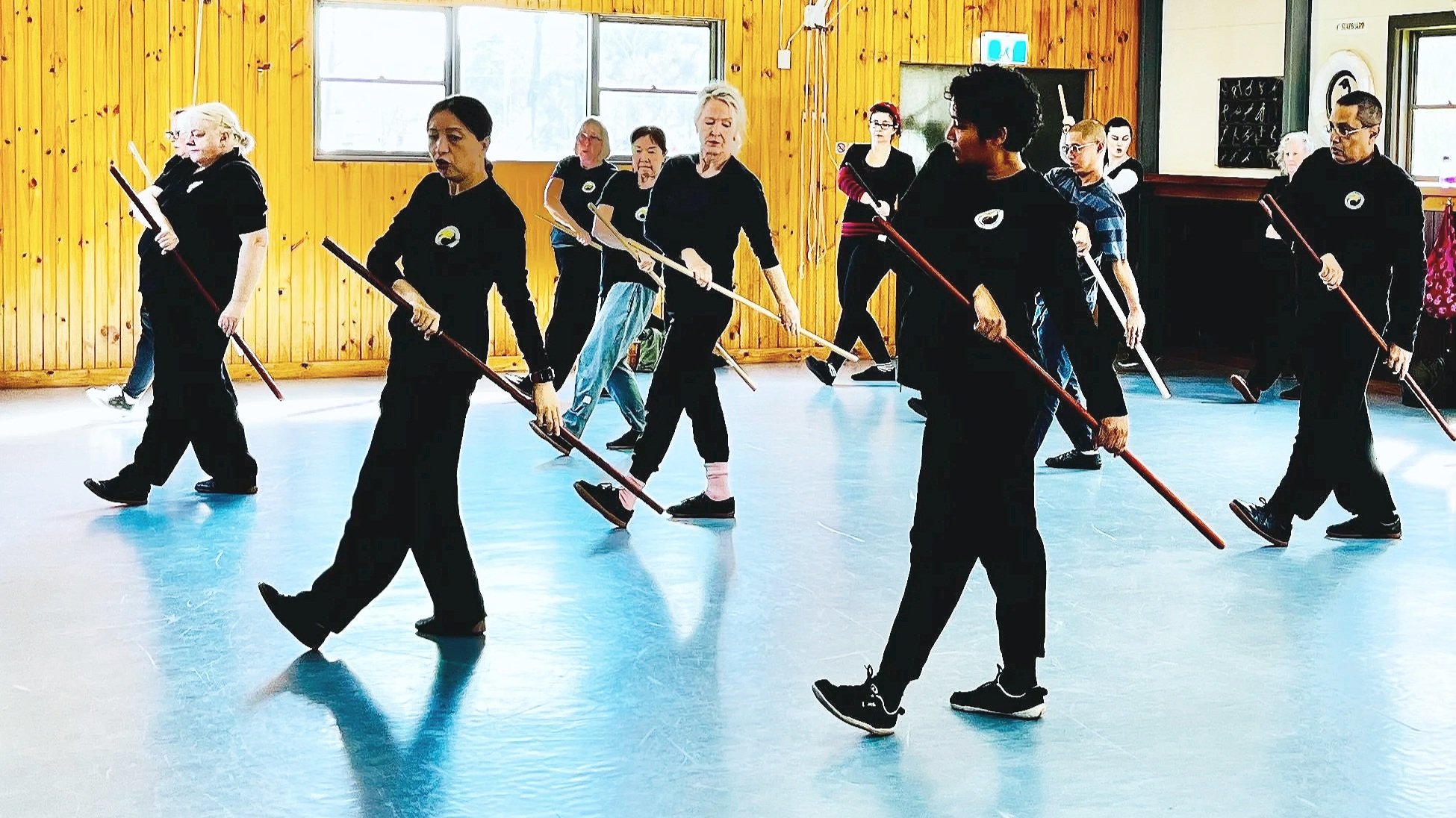
The study’s tai chi/qigong program mirrors the principles we teach at Wulong: rhythmic movement, breath awareness, focused attention, and embodied calm. These aren’t just “nice-to-have” wellness tools — they are evidence‑based supports for people rebuilding their health after major life challenges.
Whether you’re a long‑time student or someone exploring tai chi for the first time, this research shows that your practice is more than exercise. It’s a pathway toward restoring energy, reducing suffering, and reconnecting with your whole self.
Closing Call to Action
Read the research Mindfulness and Tai Chi for Sleep, Fatigue, and Pain in Distressed People After Cancer Treatment: A Partially Randomized Patient-Preference Comparative Effectiveness Trial published 16 September 2026 here: https://doi.org/10.1200/JCO-25-01967 If you are looking for a program to support your health, try a Wulong class today. Click here to see all our class locations and timings https://www.wulongtaichi.com.au/tai-chi-classes