
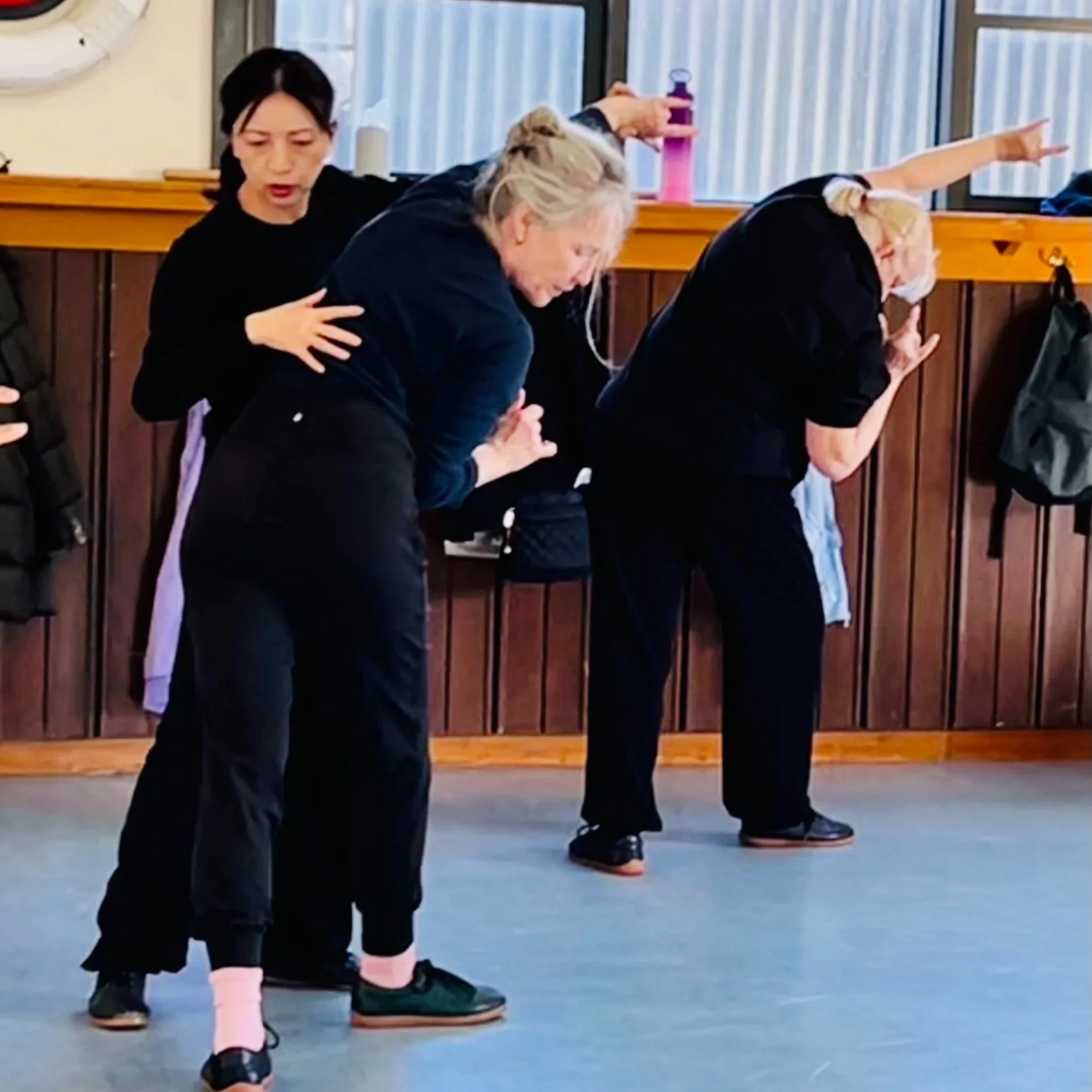
Low back pain affects millions of people worldwide, and nonspecific low back pain is by far the most common form. For many, it becomes a recurring challenge that impacts work, daily activities, and overall wellbeing. Traditional Chinese exercises—such as Tai Chi, Baduanjin, Wuqinxi, Yijinjing, and Liuzijue—have long been used to support spinal health, balance, and whole‑body harmony.
A major 2026 meta‑analysis provides strong scientific evidence confirming what practitioners have known for centuries: tai chi and qigong are safe, effective, and accessible ways to reduce pain and improve function.
This blog summarises the key findings and explains what they mean for Wulong students and the wider community.
Summary of the Research
A comprehensive meta‑analysis was published on 20 April 2026 in Frontiers in Pain Research. The study systematically reviewed 38 randomized controlled trials involving 3,054 participants with nonspecific low back pain.
Researchers searched eight major databases up to January 2026. Only randomized controlled trials were included. Interventions covered a wide range of tai chi and qigong, including Tai Chi, Baduanjin, Wuqinxi, Yijinjing, and Liuzijue.
Outcomes measured included pain intensity, functional disability (ODI), quality of life, treatment effectiveness rate, and proprioception and spinal mobility.
Key Findings
The meta‑analysis found that tai chi and qigong:
“significantly reduced pain intensity, improved dysfunction, and enhanced quality of life in patients with nonspecific low back pain.”
and
“The overall treatment response rate was increased by 17% .”
One standout result was that Liuzijue (Six Healing Sounds Qigong) produced the strongest improvements in both pain and functional disability.
Highlights of the Findings
1. Significant Pain Reduction
Across 34 trials, tai chi and qigong consistently lowered pain levels. The slow, controlled movements and coordinated breathing help reduce muscle tension, improve circulation, and calm the nervous system. This aligns with the study’s conclusion that TCE “significantly improved pain compared with control groups.”
2. Improved Functional Ability
The Oswestry Disability Index (ODI) results showed meaningful improvements in daily function after taichi and qigong. Participants were better able to bend, lift, and move comfortably, perform daily tasks and maintain activity levels. The meta‑analysis reported a 6.8‑point improvement in ODI scores.
3. Enhanced Quality of Life
Seven trials demonstrated that taichi and qigong significantly improved overall wellbeing, including physical vitality, emotional balance and social participation. The study found a large positive effect on quality of life (SMD = 1.64).
4. Higher Treatment Success Rates
Tai chi and qigong increased the likelihood of meaningful improvement by 17%, even when compared with conventional treatments such as physiotherapy or health education.
5. Strongest Benefits for Younger Adults and Liuzijue Practice
Subgroup analysis showed:
Participants under 45 responded particularly well.
Liuzijue produced the greatest reductions in pain and disability.
“Liu Zi Jue demonstrated the greatest analgesic effect (SMD = –1.71) and the most significant improvement in functional disability.”
6. Safe, Low‑Cost, and Accessible
The study emphasised that tai chi and qigong are safe for all ages, easy to learn, cost‑effective and suitable for long‑term practice.
What This Means
For Wulong students, this research reinforces the value of your practice:
1. Your Training Directly Supports Spinal Health
The slow, mindful movements of Tai Chi and Qigong strengthen the core, stabilise the spine, and improve posture—key factors in preventing and managing low back pain.
2. Regular Practice Builds Long‑Term Resilience
The study found benefits even with short‑term programs (as little as one month), but Wulong’s ongoing training structure supports lasting improvements in strength, balance, flexibility, and mind‑body awareness.
3. Breathwork Matters
Liuzijue’s strong results highlight the importance of breath regulation—a core component of Wulong’s teaching approach.
4. Holistic Benefits Extend Beyond Pain Relief
Students also often report better sleep, reduced stress, improved mood, and greater confidence in movement. These outcomes align with the study’s findings on improved quality of life.
5. Suitable for All Levels
Whether you are a beginner or an experienced practitioner, the evidence shows that tai chi and qigong are powerful tools for maintaining spinal health and overall wellbeing.
Read the Research
Read the research titled “Moving for relief: a meta-analysis on traditional Chinese exercise and nonspecific low back pain” published 20 April 2026 here: https://doi.org/10.3389/fpain.2026.1729225
If you are looking for a program to support your health, try a Wulong class today.
Click here to see all our class locations and timings. https://www.wulongtaichi.com.au/tai-chi-classes