
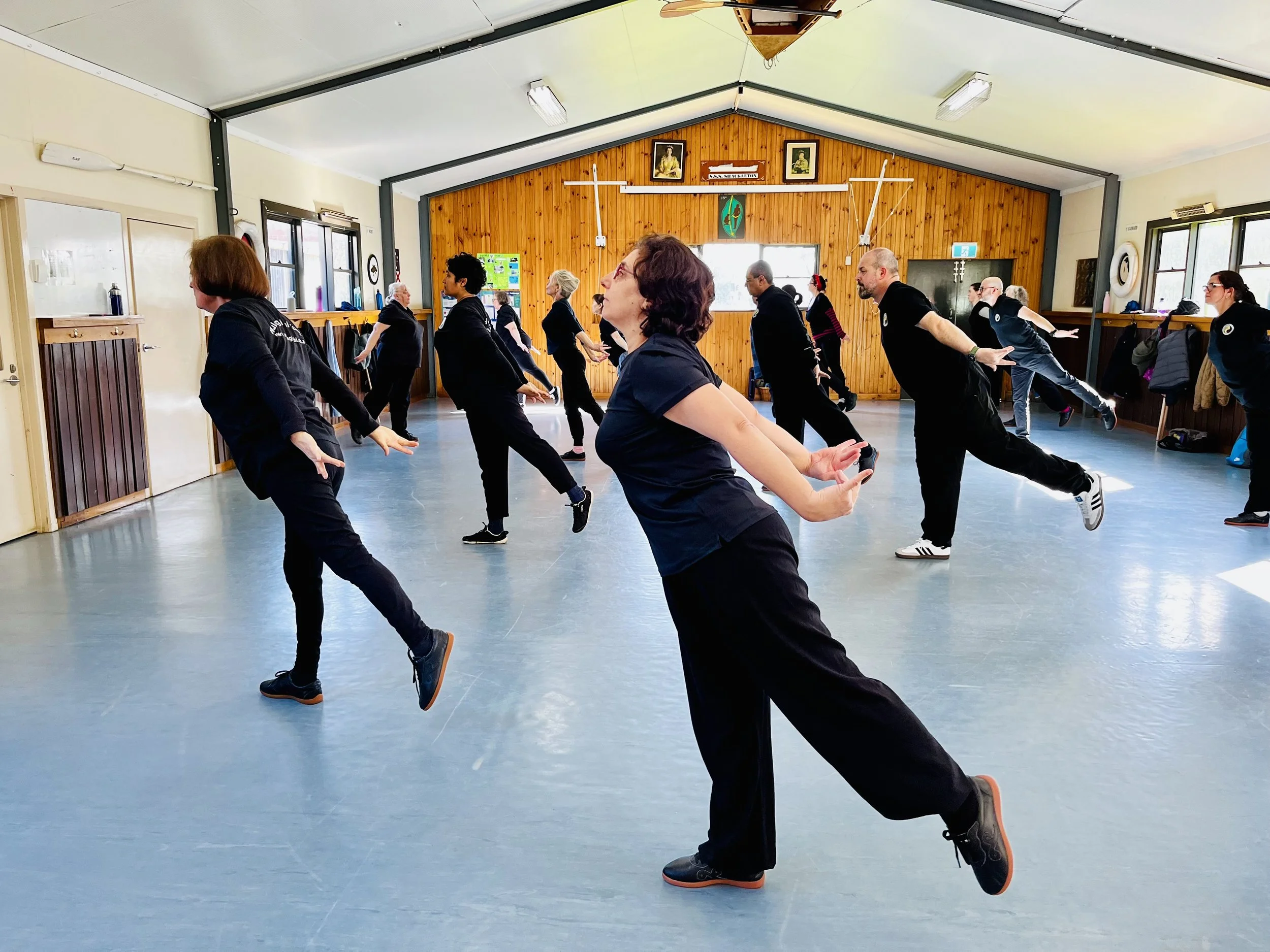
Can taichi and qigong improve balance and reduce fall risks in older adults? Research findings suggest that regular taichi and qigong practice can help people move with greater stability and confidence, which is important for long-term health and wellbeing.
Research Summary
The research was published in 2026 in the medical journal Medicine. The researchers investigated two closely related issues affecting older adults - balance ability and risk factors associated with falls.
Falls are a significant health concern as people age, often affecting independence, mobility, and quality of life. The study focused on whether traditional mind-body exercises could improve measures of balance and fall risk.
Rather than testing one group directly, the researchers conducted a systematic review and meta-analysis, a method that combines results from many high-quality studies to identify overall trends.
The review included:
31 randomised controlled trials
3,622 participants
Adults generally aged 60 years and older
Studies involving Tai Chi, Baduanjin Qigong, Wuqinxi, and similar mind-body exercises
Exercise programs ranging from several weeks to many months in duration
Key Findings
The researchers found positive results across several traditional practices, although the benefits varied slightly between systems. Effectiveness of traditional mind-body exercises on fall risk test scores and balance in older adults included studies on Tai Chi, Baduanjin Qigong, and Wuqinxi Qigong involving more than 3,600 older adults.
1. Tai Chi participants showed:
Lower fall-risk test scores compared with control groups
Improved balance scores
Benefits across a range of study durations and participant groups
The researchers concluded that Tai Chi may help improve balance and reduce indicators associated with fall risk in older adults.
2. Baduanjin Qigong produced some of the strongest improvements measured in the review, with participants showing:
Reduced fall-risk test scores
Improved balance scores
Consistent positive outcomes across multiple studies
The findings suggest that Baduanjin Qigong may be particularly effective for supporting balance and physical stability in older adults.
3 Wuqinxi Qigong was not included in the fall-risk score analysis because fewer studies were available. However, participants demonstrated:
Improved balance scores
Better performance on recognised balance assessments than control groups
These results suggest that Wuqinxi Qigong may also support healthy balance and mobility as people age.
Research Highlights
1. Tai Chi Supports Better Balance and Stability
Across the studies analysed, Tai Chi participants recorded higher balance scores and lower fall-risk indicators than those who did not practise. The slow, controlled movements and emphasis on weight transfer may help develop the coordination and body awareness needed for stable movement.
2. Baduanjin Qigong Showed Strong Improvements in Fall-Risk Measures
Baduanjin Qigong demonstrated improvements in both balance and fall-risk assessments. This simple and accessible qigong system combines gentle movement, posture awareness, and breathing techniques that may support strength, coordination, and stability.
3. Wuqinxi Qigong Improved Balance Performance
Wuqinxi (Five Animals) Qigong participants achieved higher balance scores than control groups. While fewer studies were available, the results suggest that this traditional qigong system may also help support mobility and confidence in movement.
4. Consistency Matters More Than Intensity
Across Tai Chi and qigong programs, benefits were observed with regular practice schedules that were achievable for most people, often between two and four sessions per week.
5. Traditional Practices Support Healthy Ageing
Whether through Tai Chi, Baduanjin Qigong, or Wuqinxi Qigong, the common thread was the combination of mindful movement, breathing, posture, and coordination. These qualities appear to support the balance and movement skills that become increasingly important as we age.
What This Means
Every lesson develops skills that are directly connected to better movement, including posture, weight transfer, body awareness, coordination, breathing, and controlled movement. These are the same qualities examined in many of the studies included in the review.
At Wulong Tai Chi, students benefit not only from the practice itself but also from a welcoming community that supports long-term consistency, which is often the key ingredient behind lasting health outcomes.
Read More
Read the research Effectiveness of traditional mind-body exercises on fall risk test scores and balance in older adults A systematic review and meta-analysis published 29 September 2026 at http://dx.doi.org/10.1097/MD.0000000000051150
If you are looking for a program to support your health, try a Wulong class today. Click here to see all our class locations and timings https://www.wulongtaichi.com.au/tai-chi-classes